
10033853-352FSLF vs 0876232115
| Part Number |
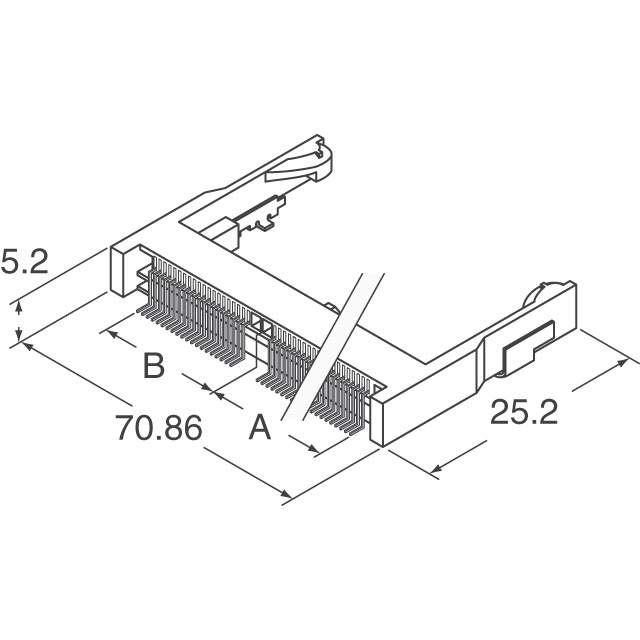
|
|
| Category | Memory Connectors - Inline Module Sockets | Memory Connectors - Inline Module Sockets |
| Manufacturer | Amphenol ICC (FCI) | Molex |
| Description | CONN SKT SODIMM 200POS SMD | CONN SKT DIMM 184POS PCB |
| Package | - | - |
| Series | 10033853 | 87623 |
| Features | Latches | Board Guide, Board Lock, Latches |
| Mounting Type | Surface Mount, 30° Angle | Through Hole, 25° Angle |
| Standards | MO-274 | MO-206 |
| Memory Type | DDR2 SDRAM | DDR SDRAM |
| Contact Finish | Gold | Gold |
| Number of Positions | 200 | 184 |
| Mounting Feature | Normal, Standard - Top | Normal, Standard - Top |
| Contact Finish Thickness | Flash | 30µin (0.76µm) |
| Connector Style | SODIMM | DIMM |
-
1. What is the main difference between a memory connector and an inline module socket?
A memory connector generally refers to all types of memory slots, including DIMMs, SO-DIMMs, etc., while an inline module socket usually refers to a type of socket with a compact design that is easy to install and remove.
-
2. What should I pay attention to when installing a memory connector?
When installing a memory connector, ensure that it is properly docked with the memory module to avoid reverse insertion. For high-density and high-frequency memory modules, be careful to avoid electrostatic damage during installation.
-
3. How do memory connectors and sockets prevent signal interference?
High-quality memory connectors usually adopt precision design, use shielding materials and grounding design to reduce signal interference and noise. Reasonable PCB layout also helps improve signal transmission quality.
-
4. What are the common faults of memory connectors?
Common faults include connector pin damage, poor contact, dust accumulation or oxidation, electrostatic damage, etc. These problems may cause the memory module to not work properly or performance degradation.
