
112712 vs 122352
| Part Number |
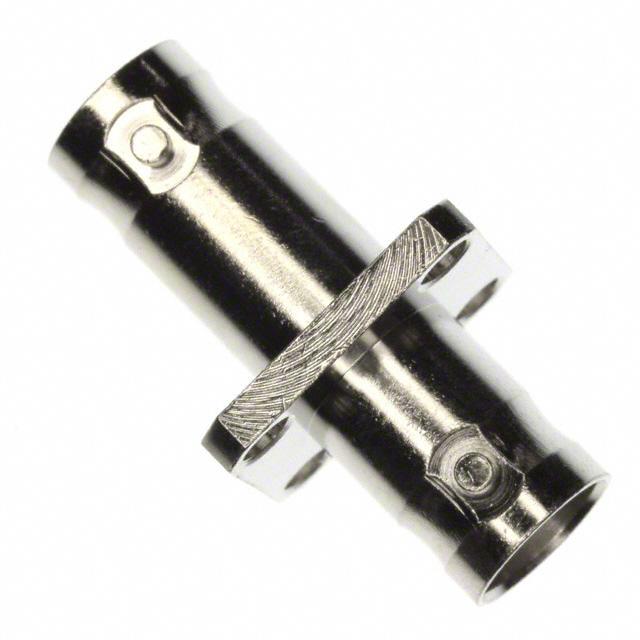
|
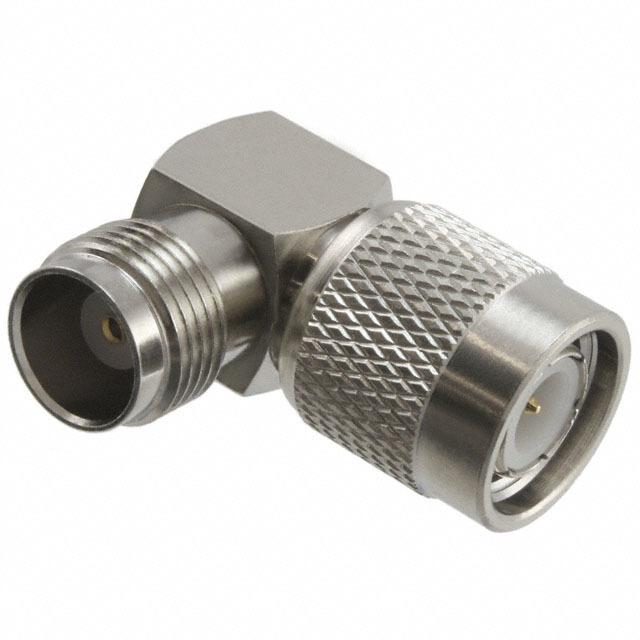
|
| Category | Coaxial Connectors (RF) - Adapters | Coaxial Connectors (RF) - Adapters |
| Manufacturer | Amphenol RF | Amphenol RF |
| Description | CONN ADAPT JACK-JACK BNC 50 OHM | CONN ADAPT PLUG TO JACK TNC |
| Package | - | - |
| Series | - | - |
| Mounting Type | Panel Mount | Free Hanging (In-Line), Right Angle |
| Frequency - Max | 4GHz | 11GHz |
| Impedance | 50 Ohm | 50 Ohm |
| Style | Straight | Right Angle |
| Mounting Feature | Flange | - |
| Convert From (Adapter End) | BNC Jack, Female Socket | TNC Plug, Male Pin |
| Convert To (Adapter End) | BNC Jack, Female Socket | TNC Jack, Female Socket |
| Conversion Type | Same Series | Same Series |
| Adapter Type | Jack to Jack | Plug to Jack |
| Fastening Type | Bayonet Lock, Bayonet Lock | Threaded, Threaded |
| Adapter Series | BNC to BNC | TNC to TNC |
| Center Gender | Female to Female | Female to Male |
| Center Contact Plating | Gold | Gold |
-
1. What are coaxial RF adapters used for?
RF adapters are used to connect different types of coaxial connectors or systems, enabling compatibility between various cable assemblies, devices, and testing equipment.
-
2. What frequencies can coaxial RF adapters handle?
Depending on the design and quality, RF adapters can operate across a wide frequency range, typically from DC to 18 GHz, with some high-performance adapters reaching up to 40 GHz or more.
-
3. What are the most common connector types for RF adapters?
Popular connector types include SMA, BNC, N-type, TNC, MCX, and F-type, as well as precision connectors like 2.92 mm, 3.5 mm, and 7/16 DIN.
-
4. Can RF adapters affect signal performance?
Yes, poor-quality or mismatched adapters can introduce signal loss, reflections, or impedance mismatches, potentially degrading the overall performance of the RF system.
