
206037-1 vs 211399-1
| Part Number |
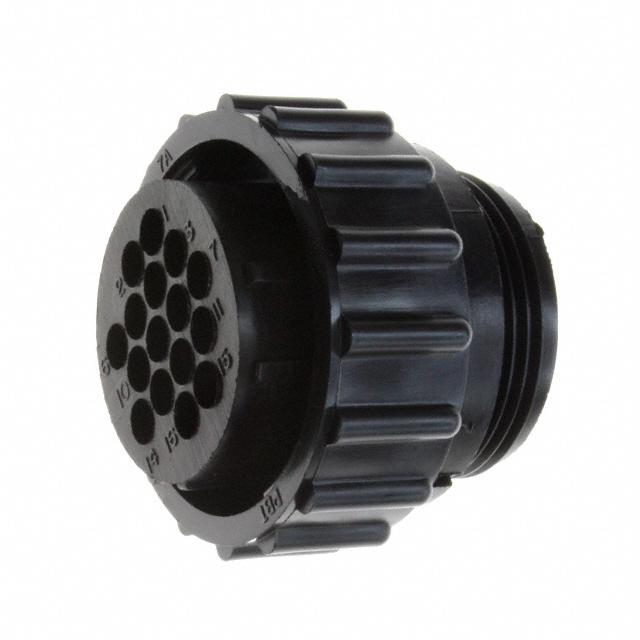
|
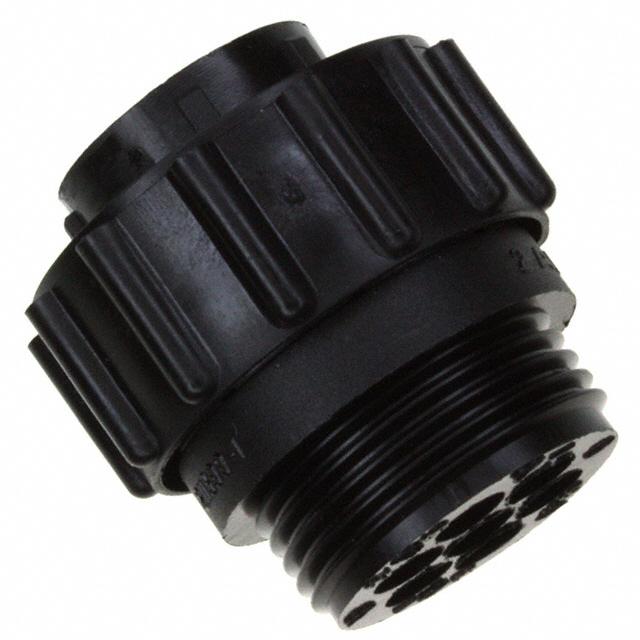
|
| Category | Circular Connectors - Housings | Circular Connectors - Housings |
| Manufacturer | TE Connectivity AMP Connectors | TE Connectivity AMP Connectors |
| Description | CONN PLG HSG FMALE 16POS INLINE | CONN PLUG HSG FMALE 7POS INLINE |
| Package | - | - |
| Series | CPC Series 1 | CPC Series 1 |
| Type | For Female Sockets | For Female Sockets |
| Features | Coupling Nut | Coupling Nut |
| Mounting Type | Free Hanging (In-Line) | Free Hanging (In-Line) |
| Orientation | A | A |
| Number of Positions | 16 | 7 |
| Connector Type | Plug Housing | Plug Housing |
| Shielding | Unshielded | Unshielded |
| Contact Type | Crimp | Crimp |
| Shell Size - Insert | 17-16 | 13-7 |
| Fastening Type | Threaded | Threaded |
| Contact Size | 16 | 16 |
| Shell Material | Polyamide (PA66), Nylon 6/6, Glass Filled | Polyamide (PA66), Nylon 6/6, Glass Filled |
| Housing Color | Black | Black |
| Material Flammability Rating | UL94 V-0 | UL94 V-0 |
-
1. What are the common materials for circular connector housings?
Common shell materials include metal (such as aluminum, stainless steel) and plastic. Metal casings typically have better shielding and corrosion resistance, while plastic casings are lightweight and suitable for applications that do not require shielding.
-
2. What are the advantages of circular connector housings in outdoor applications?
The shell provides protection level, weather resistance, and corrosion resistance, ensuring that the connector operates stably for a long time in humid, extreme temperature, and outdoor environments.
-
3. What are the standard dimensions for circular connector housings?
The size of the casing usually depends on the type of connector and the application environment, with multiple diameters, lengths, and shapes to choose from. Typical sizes include M12, M16, M23, and so on.
-
4. Which applications require high shielding performance enclosures?
High shielding performance enclosures are mainly used for applications that prevent electromagnetic interference, such as communication equipment, radar systems, industrial control systems, and medical equipment.
