
AQ125A271JHJME vs AQ14EM561KAJME
| Part Number |
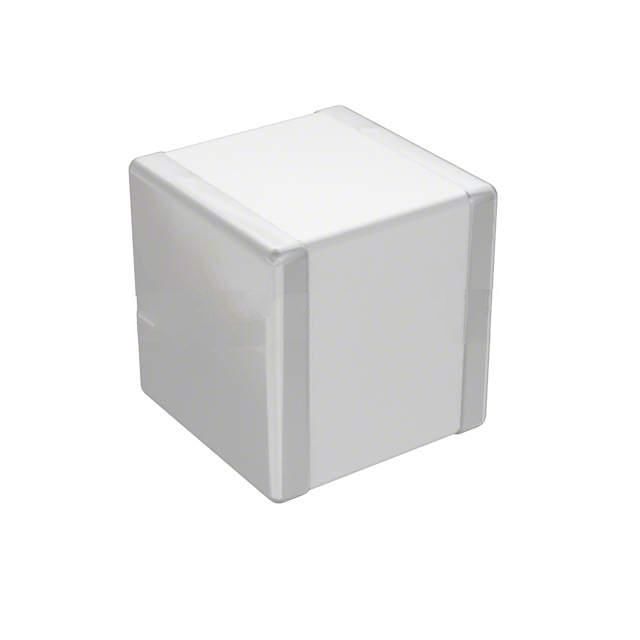
|
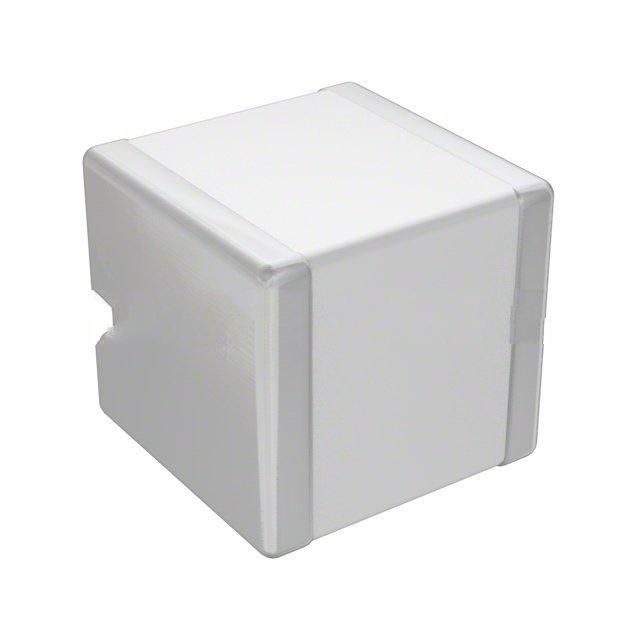
|
| Category | Ceramic Capacitors | Ceramic Capacitors |
| Manufacturer | KYOCERA AVX | KYOCERA AVX |
| Description | CAP CER 270PF 50V 0606 | CAP CER 560PF 150V 1111 |
| Package | 0606 (1616 Metric) | 1111 (2828 Metric) |
| Series | AQ | AQ |
| Operating Temperature | -55°C ~ 175°C | -55°C ~ 125°C |
| Mounting Type | Surface Mount, MLCC | Surface Mount, MLCC |
| Package / Case | 0505 (1313 Metric) | 1111 (2828 Metric) |
| Applications | RF, Microwave, High Frequency | RF, Microwave, High Frequency |
| Tolerance | ±5% | ±10% |
| Temperature Coefficient | A | M |
| Size / Dimension | 0.055" L x 0.055" W (1.40mm x 1.40mm) | 0.110" L x 0.110" W (2.79mm x 2.79mm) |
| Voltage - Rated | 50V | 150V |
| Thickness (Max) | 0.057" (1.45mm) | 0.102" (2.59mm) |
| Capacitance | 270pF | 560pF |
| Features | - | High Q, Low Loss |
-
1. Do ceramic capacitors deteriorate over time?
While ceramic capacitors are relatively stable, their capacitance value may decrease slightly over time, especially under extreme environmental conditions. However, this change is usually small and will not significantly affect most applications.
-
2. Does the orientation of ceramic capacitors matter?
Ceramic capacitors are non-polar, so the mounting orientation does not affect their function.
-
3. Do ceramic capacitors degrade over time?
The capacitance value of ceramic capacitors may decrease slightly over time and environmental factors, but this is usually a slow process.
-
4. What is the difference between Class 1 and Class 2 ceramic capacitors?
Class 1: has high accuracy and stable temperature coefficient, suitable for precision circuits.
Class 2: has higher capacitance value, but larger temperature coefficient and tolerance, suitable for general applications.
