
BT131-600D116 vs QJ6016LH6TP
| Part Number |

|
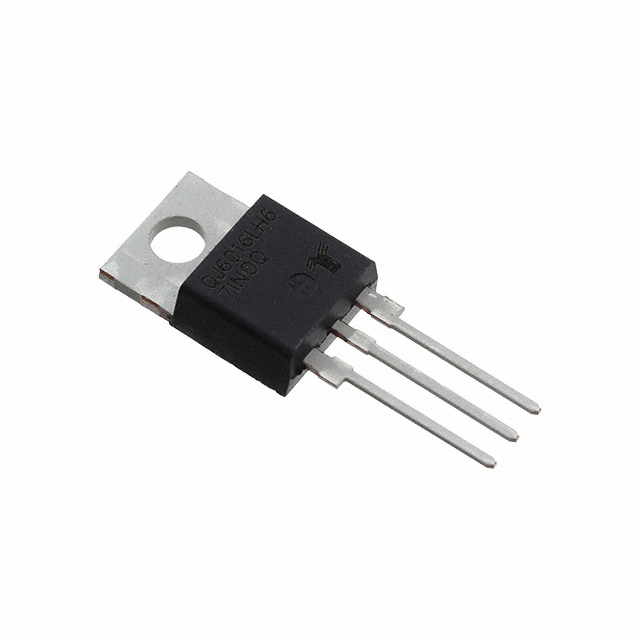
|
| Category | Thyristors - TRIACs | Thyristors - TRIACs |
| Manufacturer | NXP USA Inc. | Littelfuse Inc. |
| Description | 4 QUADRANT TRIAC TO 92 | ALTERNISTOR TRIAC 16A TO220 |
| Package | Bulk | Tube |
| Series | - | - |
| Operating Temperature | - | -40°C ~ 150°C (TJ) |
| Mounting Type | - | Through Hole |
| Package / Case | - | TO-220-3 Isolated Tab |
| Supplier Device Package | - | ITO-220AB |
| Configuration | - | Single |
| Current - Hold (Ih) (Max) | - | 70 mA |
| Voltage - Off State | - | 600 V |
| Voltage - Gate Trigger (Vgt) (Max) | - | 1.3 V |
| Current - Gate Trigger (Igt) (Max) | - | 80 mA |
| Current - On State (It (RMS)) (Max) | - | 16 A |
| Current - Non Rep. Surge 50, 60Hz (Itsm) | - | 167A, 200A |
| Triac Type | - | Alternistor - Snubberless |
-
1. What is a TRIAC, and how does it differ from an SCR?
A TRIAC is a bidirectional device that can control AC power, effectively working as two SCRs in parallel but in opposite directions. Unlike an SCR, which only conducts in one direction, a TRIAC operates in both directions, making it ideal for AC applications.
-
2. What are the main uses of TRIACs?
TRIACs are commonly used in phase control applications like light dimmers, motor speed controls, and heaters, as well as in domestic appliances where bidirectional AC control is needed.
-
3. Why do TRIACs require a DIAC for triggering?
DIACs improve the symmetry of TRIAC firing by ensuring consistent triggering voltages in both directions. This reduces harmonic distortion in AC circuits, enhancing performance.
-
4. How does dv/dt affect TRIAC performance?
A high rate of voltage change (dv/dt) across the TRIAC can unintentionally trigger it. Snubber circuits are used to limit dv/dt and ensure reliable operation.
