
ENC28J60T-I/SS vs LM8333GGR8/NOPB
| Part Number |

|
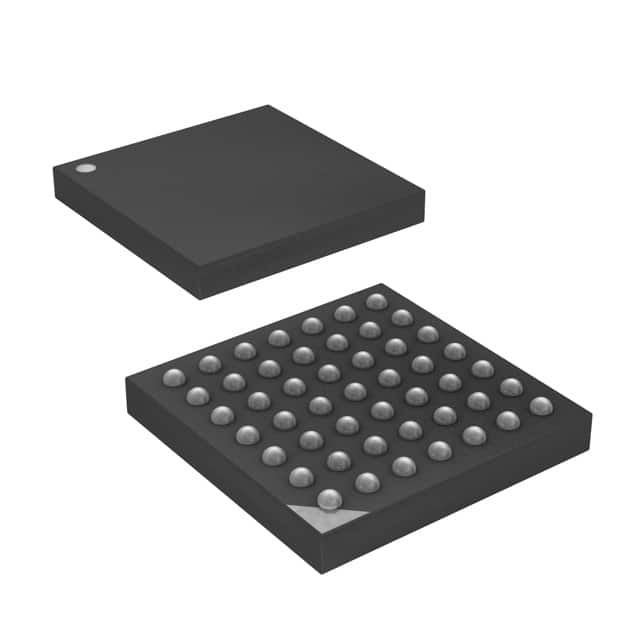
|
| Category | Interface - Controllers | Interface - Controllers |
| Manufacturer | Microchip Technology | Texas Instruments |
| Description | IC ETHERNET CTLR SPI 28SSOP | IC MOBILE I/O COMPANION 49-MIC |
| Package | 28-SSOP (0.209", 5.30mm Width) | Tube |
| Series | - | - |
| Interface | SPI | ACCESS.bus, I²C |
| Voltage - Supply | 3.1 V ~ 3.6 V | 2.25V ~ 2.9V |
| Operating Temperature | -40°C ~ 85°C | -40°C ~ 85°C |
| Package / Case | 28-SSOP (0.209", 5.30mm Width) | 49-TFBGA, CSPBGA |
| Supplier Device Package | 28-SSOP | 49-CSBGA (4x4) |
| Current - Supply | 160mA | 6mA |
| Function | Controller | Controller |
| Protocol | Ethernet | - |
| Standards | 10 Base-T PHY | - |
-
1. What is an interface IC?
Interface IC is a key component in electronic systems, mainly used to connect different hardware devices to ensure the stability and reliability of data transmission. Interface IC plays a bridge role in electronic systems, enabling various devices to exchange data and communicate smoothly.
-
2. What types of interface ICs are there?
There are many types of interface ICs, including but not limited to: 1394 interface integrated circuits, CAN interface integrated circuits, LVDS interface integrated circuits, PCI interface ICs, RS-232 interface integrated circuits,
RS-422/RS-485 interface ICs, USB interface integrated circuits, sensor interfaces, serializers/deserializers (Serdes), telecommunications interface ICs, display interface integrated circuits, smart card interface ICs, etc. -
3. What is the role of an interface controller?
The main role of an interface controller is to manage shared network access and provide the required reliability and security. It is similar to the array controller in the disk array, adding an intelligent layer between the tape drive and the SAN (storage area network), connecting to the SAN externally, and providing a network interface for the tape library.
Specific functions of the interface controller
Data buffering: Matching the working speed of the host and peripherals through the data buffer register (DBR).
Error or status monitoring: Feedback various error and status information of the device through the status register for use by the CPU.
Control and timing: Receive control signals and clock signals sent from the control bus.
Data format conversion: Perform serial-parallel, parallel-serial and other format conversions.
Communication with the host and device: Realize communication between the host, I/O interface and I/O device. -
4. What does the network interface controller do?
A network interface controller (NIC) is a hardware device used to connect a computer or other device to a computer network. Its main functions include processing the physical details related to network communication, transmitting data from the computer to the network or receiving data from the network. In online games, the network interface controller is a key hardware component for realizing data synchronization between players and updating game status, ensuring the real-time and accuracy of game data, reducing network latency, and improving player experience.
Specific role in different scenarios
In online games: Network interface controllers are mainly used to process the sending and receiving of network data packets, ensure the real-time and accuracy of game data, reduce network latency, and enhance player experience.
In Azure Stack HCI and Windows Server: Network controllers are the basis of software-defined network (SDN) management, responsible for functions such as firewall management and software load balancer management.
