
LDC2114PWT vs AD7606TSTZ-EP
| Part Number |
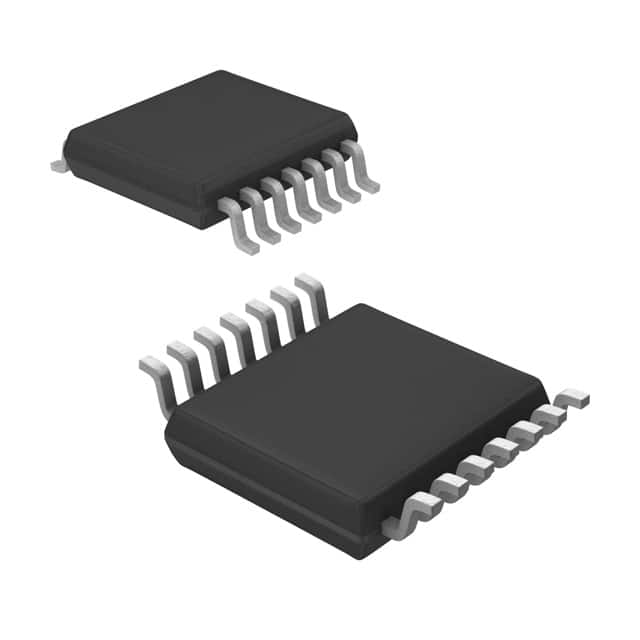
|
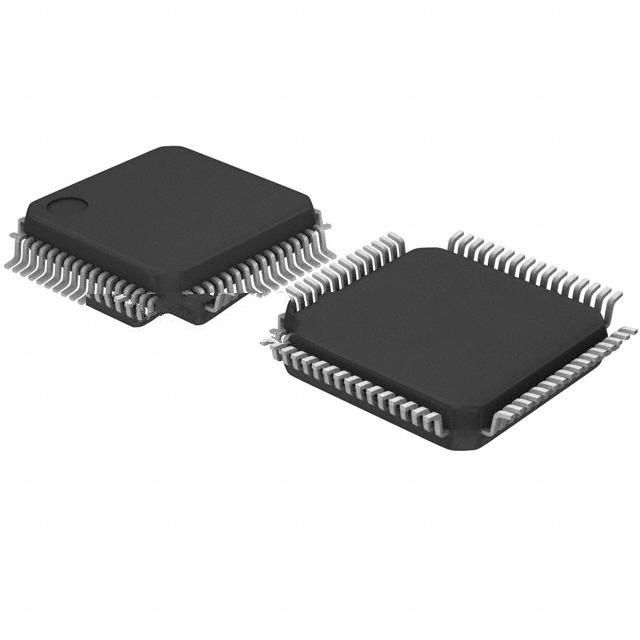
|
| Category | Data Acquisition - ADCs/DACs - Special Purpose | Data Acquisition - ADCs/DACs - Special Purpose |
| Manufacturer | Texas Instruments | Analog Devices Inc. |
| Description | IC CAP TO DGT CONV 12BIT 16TSSOP | IC DAS/ADC 16BIT 150K 64LQFP |
| Package | Tray | Tray |
| Series | - | - |
| Type | Inductance-to-Jinftrytal Converter | Data Acquisition System (DAS), ADC |
| Voltage - Supply | 1.71V ~ 1.89V | 2.3V ~ 5.25V, 4.75V ~ 5.25V |
| Operating Temperature | -40°C ~ 85°C (TJ) | -55°C ~ 125°C |
| Mounting Type | Surface Mount | Surface Mount |
| Package / Case | 16-TSSOP (0.173\", 4.40mm Width) | 64-LQFP |
| Supplier Device Package | 16-TSSOP | 64-LQFP (10x10) |
| Number of Channels | 4 | 8 |
| Resolution (Bits) | 12 b | 16 b |
| Sampling Rate (Per Second) | - | 150k |
| Data Interface | I²C | DSP, MICROWIRE™, Parallel, QSPI™, Serial, SPI™ |
| Voltage Supply Source | Single Supply | Analog and Jinftrytal |
-
1. Which applications require special purpose ADCs and DACs?
Special purpose ADCs/DACs are commonly used in medical devices (such as electrocardiograms), automotive electronics (such as sensor signal processing), industrial automation, audio processing, high-precision measuring instruments, and other fields that require high signal processing.
-
2. What is the resolution of ADC for special purposes?
Special purpose ADCs typically have high resolutions, reaching 16 bit, 24 bit, or even higher, to meet high-precision data acquisition requirements, such as high-resolution applications for medical imaging or scientific measurement instruments.
-
3. What communication interfaces do special purpose ADCs and DACs support?
Special purpose ADCs/DACs typically support multiple communication interfaces, including SPI, I2C, parallel interfaces, and UART, for data transmission with microcontrollers, DSPs, or other embedded systems.
-
4. How to use special purpose ADCs and DACs in high noise environments?
In high noise environments, it is particularly important to choose ADCs and DACs with high signal-to-noise ratio (SNR) and good anti-interference design. Shielding and filtering techniques can also help reduce noise interference, ensuring accurate signal acquisition and output.
