
LDC2114PWT vs LDC2112PWT
| Part Number |
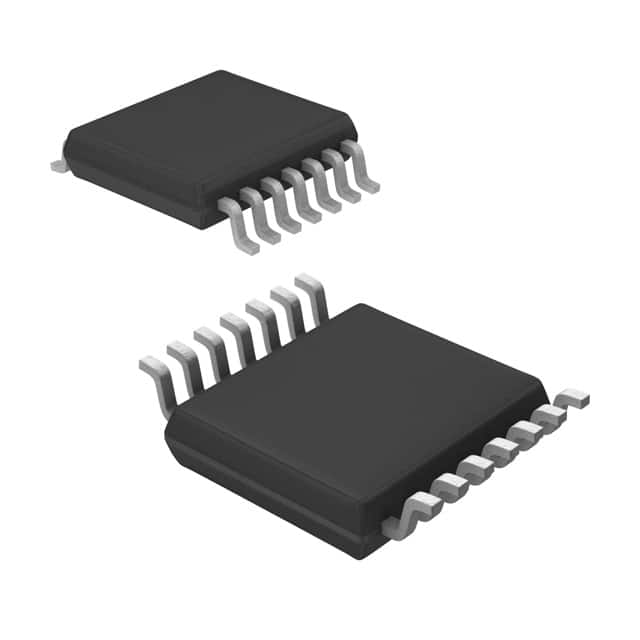
|
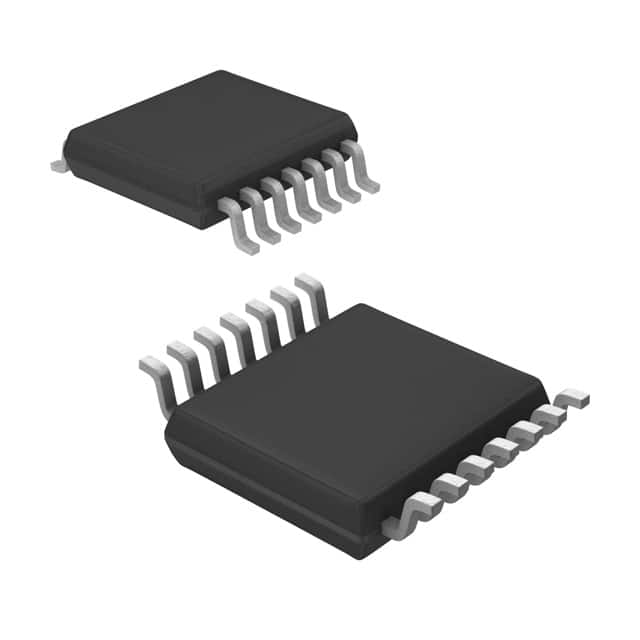
|
| Category | Data Acquisition - ADCs/DACs - Special Purpose | Data Acquisition - ADCs/DACs - Special Purpose |
| Manufacturer | Texas Instruments | Texas Instruments |
| Description | IC CAP TO DGT CONV 12BIT 16TSSOP | IC CAP TO DGT CONV 12BIT 16TSSOP |
| Package | Tray | -Reel® |
| Series | - | - |
| Type | Inductance-to-Jinftrytal Converter | Inductance-to-Jinftrytal Converter |
| Voltage - Supply | 1.71V ~ 1.89V | 1.71V ~ 1.89V |
| Operating Temperature | -40°C ~ 85°C (TJ) | -40°C ~ 85°C (TJ) |
| Mounting Type | Surface Mount | Surface Mount |
| Package / Case | 16-TSSOP (0.173\", 4.40mm Width) | 16-TSSOP (0.173\", 4.40mm Width) |
| Supplier Device Package | 16-TSSOP | 16-TSSOP |
| Number of Channels | 4 | 2 |
| Resolution (Bits) | 12 b | 12 b |
| Sampling Rate (Per Second) | - | - |
| Data Interface | I²C | I²C |
| Voltage Supply Source | Single Supply | Single Supply |
-
1. What are the differences between special-purpose ADCs and DACs and conventional converters?
Special purpose ADCs/DACs are optimized in terms of speed, accuracy, power consumption, or anti-interference, and are suitable for applications that require very high performance or specific functionality, while conventional converters are generally used in general scenarios.
-
2. In which scenarios are special purpose DACs typically used?
Special purpose DACs are typically used for applications that require precise analog output, such as high fidelity audio systems, precise power control, laser modulators, analog signal generators, and control systems.
-
3. How to choose ADC/DAC suitable for specific applications?
When selecting, consideration should be given to the resolution, sampling rate, signal-to-noise ratio, power consumption, number of input/output channels, linearity, operating temperature range, and whether it meets the standards or certification requirements of the target application.
-
4. How does the sampling rate of ADCs affect data acquisition performance?
The sampling rate determines how many times an ADC can read a signal per second. A higher sampling rate is suitable for high-speed signals or precise dynamic signal processing, while a lower sampling rate is suitable for collecting steady-state or slowly changing signals.
