
LM5069MMX-2/NOPB vs TPS2394PW
| Part Number |
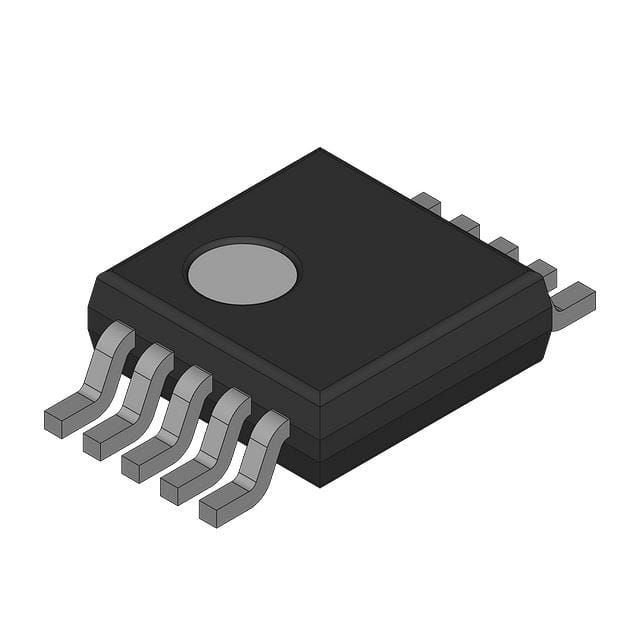
|
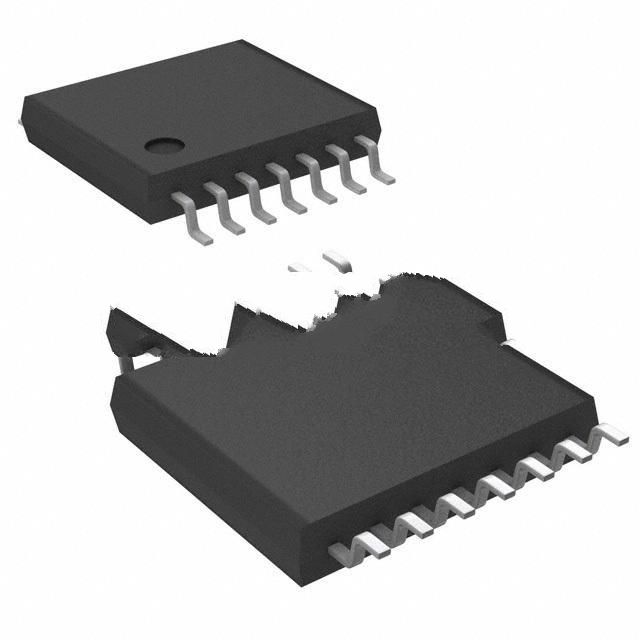
|
| Category | PMIC - Hot Swap Controllers | PMIC - Hot Swap Controllers |
| Manufacturer | National Semiconductor | Texas Instruments |
| Description | LM5069 POSITIVE HIGH VOLTAGE HOT | IC HOT SWAP CTRLR -48V 14TSSOP |
| Package | Bulk | Tube |
| Series | - | - |
| Type | Hot Swap Controller | Hot Swap Controller |
| Features | Auto Retry | Auto Retry |
| Voltage - Supply | 9V ~ 80V | -80V ~ -12V |
| Operating Temperature | -40°C ~ 125°C | -40°C ~ 85°C |
| Mounting Type | Surface Mount | Surface Mount |
| Package / Case | 10-TFSOP, 10-MSOP (0.118\", 3.00mm Width) | 14-TSSOP (0.173\", 4.40mm Width) |
| Supplier Device Package | 10-VSSOP | 14-TSSOP |
| Current - Supply | 1.3 mA | 1 mA |
| Applications | General Purpose | -48V |
| Current - Output (Max) | - | - |
| Number of Channels | 1 | 1 |
| Internal Switch(s) | No | No |
| Programmable Features | Current Limit, Fault Timeout, OVP, UVLO | Current Limit, Fault Timeout, OVP, Slew Rate, UVLO |
-
1. What is the difference between a hot-swap controller and a power switch?
Hot-swap controllers actively manage current and voltage changes during the plug-in process, while ordinary power switches only have simple on-off functions and cannot provide protection and control functions.
-
2. What are the common protection functions of hot-swap controllers?
Typical protection functions include overcurrent protection, short-circuit protection, overvoltage protection, undervoltage lockout, overtemperature protection, etc. These protection functions ensure the safety of equipment under different conditions.
-
3. What voltage ranges do PMIC hot-swap controllers support?
Hot-swap controllers support voltage ranges from low voltage (such as 5V) to high voltage (such as 48V or even higher), depending on the model and application scenario of the controller.
-
4. How to test the performance of hot-swap controllers?
Performance tests can include plug-in tests, current limiting tests, protection function verification, and current surge measurements. Using an oscilloscope to observe the current and voltage changes at the moment of plug-in is an effective way to verify its performance.
