
MA2B00100F vs MKP1V120RL
| Part Number |
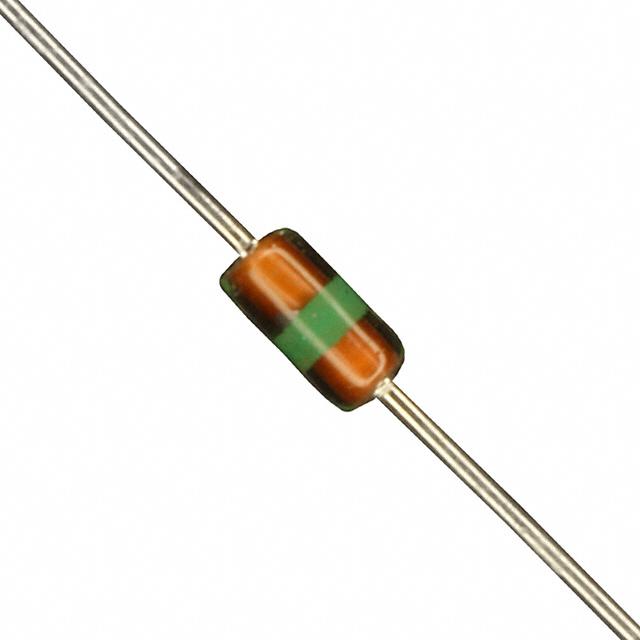
|
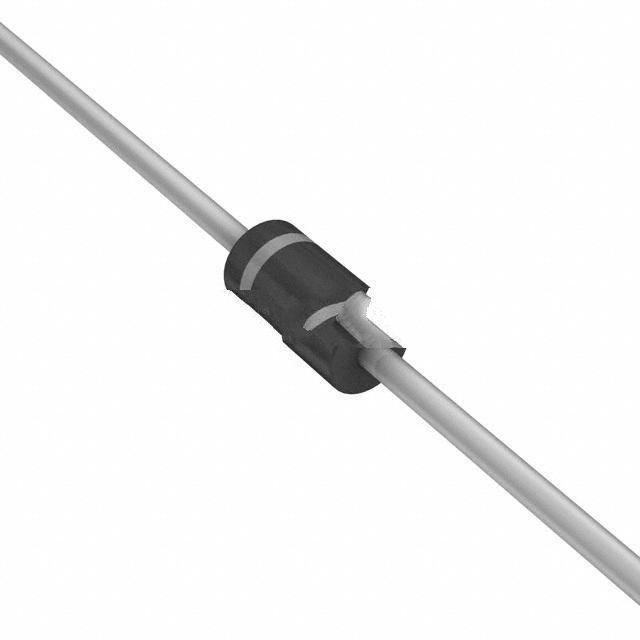
|
| Category | Thyristors - DIACs, SIDACs | Thyristors - DIACs, SIDACs |
| Manufacturer | Panasonic Electronic Components | ON Semiconductor |
| Description | DIAC 28-36V 2A DO35 | SIDAC 110-130V 900MA AXIAL |
| Package | -Reel® | -Reel® |
| Series | - | - |
| Operating Temperature | 100°C (TA) | -40°C ~ 125°C (TJ) |
| Package / Case | DO-204AH, DO-35, Axial | DO-204AL, DO-41, Axial |
| Supplier Device Package | DO-35-A2 | Axial |
| Voltage - Breakover | 28 ~ 36V | 110 ~ 130V |
| Current - Breakover | 50 µA | 35 µA |
| Current - Hold (Ih) (Max) | - | 100 mA |
| Current - Peak Output | 2 A | 900 mA |
-
1. What is the breakover voltage of a DIAC or SIDAC?
The breakover voltage is the voltage at which the device becomes conductive. It varies depending on the specific device, typically ranging from 30V to 250V for SIDACs.
-
2. What packages are available for DIACs and SIDACs?
Common package types include DO-15, TO-92, and axial configurations, catering to different mounting and thermal management needs.
-
3. How does temperature affect DIACs and SIDACs?
Their operation is temperature-dependent, with most devices rated for operation between -40°C and 125°C. Higher temperatures can affect their triggering voltage.
-
4. Can DIACs or SIDACs be replaced by other components?
While other semiconductor devices can sometimes be adapted, DIACs and SIDACs are optimized for their specific functions, making them difficult to replace directly in most designs.
