
MCP6V89-E/ST vs HA3-2405-5
| Part Number |
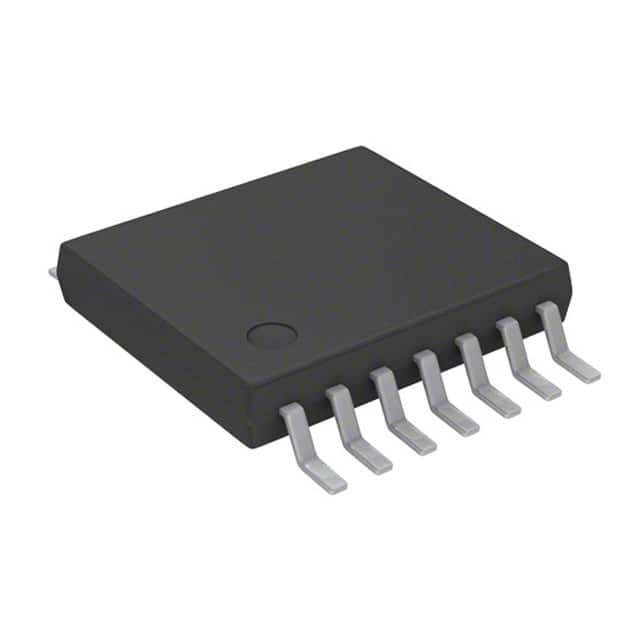
|
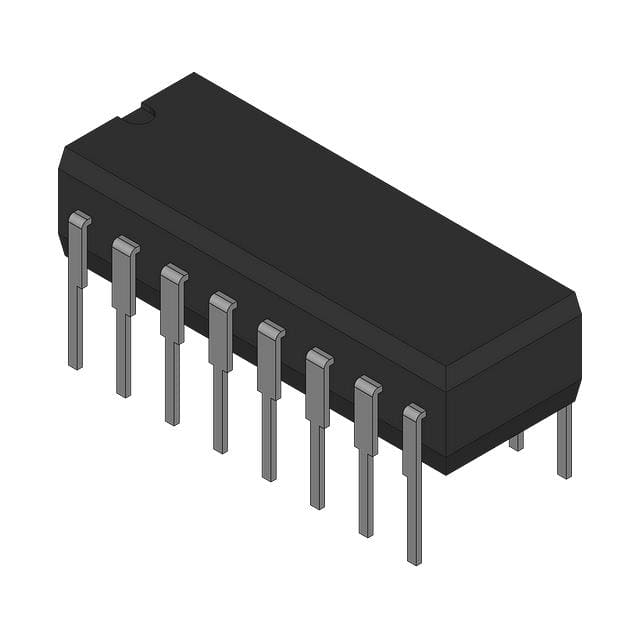
|
| Category | Linear - Amplifiers - Instrumentation, OP Amps, Buffer Amps | Linear - Amplifiers - Instrumentation, OP Amps, Buffer Amps |
| Manufacturer | Microchip Technology | Intersil |
| Description | QUAD, ZERO-DRIFT OP AMP, E TEMP | OPERATIONAL AMPLIFIER |
| Package | Tube | Bulk |
| Series | Zero-Drift | - |
| Operating Temperature | -40°C ~ 125°C | 0°C ~ 75°C |
| Mounting Type | Surface Mount | Through Hole |
| Package / Case | 14-TSSOP (0.173\", 4.40mm Width) | 16-DIP (0.300\", 7.62mm) |
| Supplier Device Package | 14-TSSOP | 16-PDIP |
| Current - Supply | 500µA | 4.8mA (x4 Channels) |
| Output Type | Rail-to-Rail | - |
| Number of Circuits | 4 | 4 |
| Voltage - Supply, Single/Dual (±) | 2.5V ~ 5.5V | 45V |
| Current - Output / Channel | 40 mA | 20 mA |
| -3db Bandwidth | - | - |
| Amplifier Type | Chopper (Zero-Drift) | General Purpose |
| Current - Input Bias | 2 pA | 50 nA |
| Voltage - Input Offset | 25 µV | 4 mV |
| Slew Rate | 4V/µs | 30V/µs |
| Gain Bandwidth Product | 5 MHz | 40 MHz |
-
1. How to choose the right instrumentation amplifier?
The input common-mode voltage range, gain-bandwidth product, noise performance, power consumption, temperature drift, and common-mode rejection ratio (CMRR) should be considered when selecting an instrumentation amplifier to ensure that it meets the accuracy requirements of a particular application.
-
2. What is a gain adjustable instrumentation amplifier?
Gain-adjustable instrumentation amplifiers allow the gain to be adjusted by external resistors or digital controls to accommodate the dynamic range of different signal sources. These amplifiers are commonly used in a variety of sensor systems.
-
3. How to achieve high accuracy and low drift in instrumentation amplifiers?
Select an amplifier with low bias current, low offset voltage, and low noise, and reduce the effect of temperature drift on accuracy through a stable power supply and proper temperature compensation circuit design.
-
4. What is a rail-to-rail operational amplifier and what are its advantages?
Rail-to-rail op amps are capable of extending the output voltage range to the limit of the supply voltage (i.e., the “rail”), allowing them to handle large dynamic range signals even at low supply voltages, making them particularly suitable for low-voltage power supply systems and portable devices.
