
MP4068GS vs LM36272YFFR
| Part Number |
|
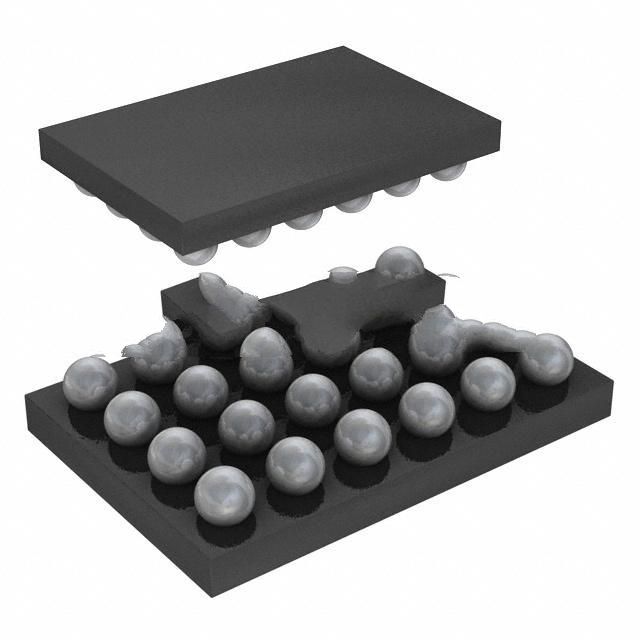
|
| Category | PMIC - LED Drivers | PMIC - LED Drivers |
| Manufacturer | Monolithic Power Systems Inc. | Texas Instruments |
| Description | NON-ISOLATED,TRIAC DIMMABLE PFC | IC LCD DRIVER 2CH 24DSBGA |
| Package | - | Tape & Reel (TR) |
| Series | * | - |
| Type | - | DC DC Regulator |
| Operating Temperature | - | -40°C ~ 85°C (TA) |
| Mounting Type | - | Surface Mount |
| Package / Case | - | 24-UFBGA, DSBGA |
| Supplier Device Package | - | 24-DSBGA (2.59x1.89) |
| Topology | - | Step-Up (Boost) |
| Applications | - | Backlight |
| Number of Outputs | - | 2 |
| Voltage - Output | - | 29V |
| Frequency | - | - |
| Current - Output / Channel | - | 30mA |
| Internal Switch(s) | - | Yes |
| Dimming | - | Analog, I²C, PWM |
| Voltage - Supply (Max) | - | 5V |
| Voltage - Supply (Min) | - | 2.7V |
-
1. What is the difference between an LED driver and a ballast?
LED drivers: Designed specifically for LEDs, they are usually used to adjust the output current to meet the requirements of LEDs.
Ballasts: Traditionally used for fluorescent lamps or other gas discharge lamps, they control the high voltage at startup and limit the operating current. Although some modern electronic ballasts can also provide constant current, their original design and application areas are different from LED drivers. -
2. Is an LED driver just a power supply?
Not exactly. Although the LED driver does provide power, it is more than just a simple power converter. It also contains complex circuits to accurately control the output voltage and current, and sometimes includes dimming, temperature protection and other functions.
-
3. Can I run an LED without a driver?
Yes, but additional circuits (such as resistors) are required to limit the current. However, this method is less efficient and difficult to maintain a stable current, which may lead to poor LED performance or shortened life.
-
4. Do all LED lights need a driver?
Not all LED lights require independent drivers. Some small or integrated LED lamps may already have built-in driver circuits. However, for most high-power LEDs or applications that require specific current control, using a dedicated driver is very necessary.
