
PCM4104PFBT vs ICL7106CPLZ
| Part Number |
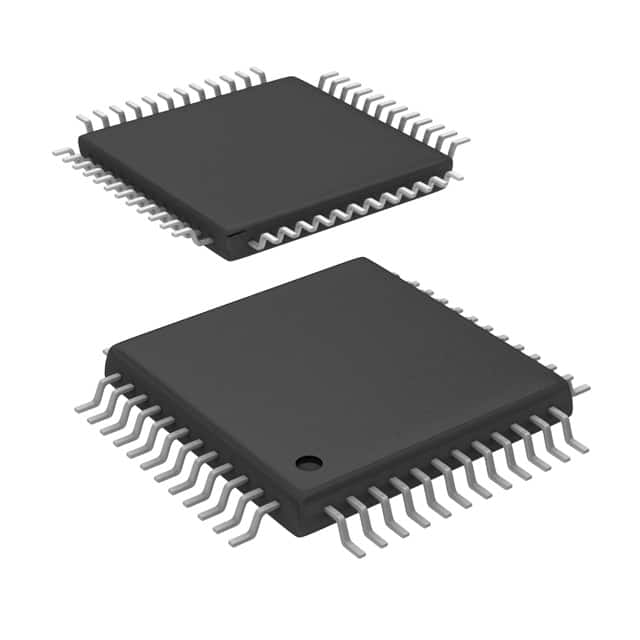
|
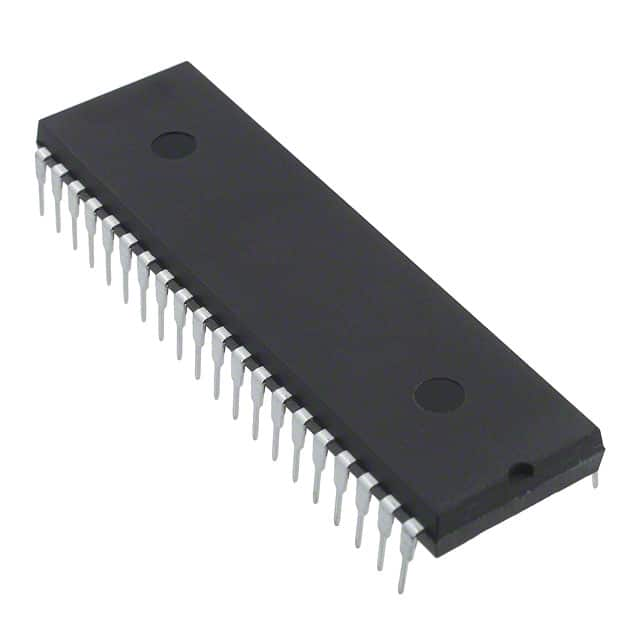
|
| Category | Data Acquisition - ADCs/DACs - Special Purpose | Data Acquisition - ADCs/DACs - Special Purpose |
| Manufacturer | Texas Instruments | Intersil |
| Description | IC DAC/AUDIO 24BIT 216K 48TQFP | ADC, DUAL-SLOPE, 3-BIT, 1 FUNC, |
| Package | Cut Tape (CT) | Bulk |
| Series | - | - |
| Type | DAC, Audio | Display Driver |
| Voltage - Supply | 3V ~ 3.6V, 5V | 5V |
| Operating Temperature | -10°C ~ 70°C | 0°C ~ 70°C |
| Mounting Type | Surface Mount | Through Hole |
| Package / Case | 48-TQFP | 40-DIP (0.600\", 15.24mm) |
| Supplier Device Package | 48-TQFP (7x7) | 40-PDIP |
| Number of Channels | 4 | 2 |
| Resolution (Bits) | 24 b | 3.5 Jinftryt |
| Sampling Rate (Per Second) | 216k | - |
| Data Interface | PCM | - |
| Voltage Supply Source | Analog and Jinftrytal | Single Supply |
-
1. What are special purpose ADCs and DACs?
Special purpose ADCs (analog-to-digital converters) and DACs (digital to analog converters) are converters designed for specific applications, with optimized performance such as higher resolution, speed, or special features, suitable for specific industries or application needs, such as medical, automotive, or industrial control.
-
2. How to choose ADC/DAC suitable for specific applications?
When selecting, consideration should be given to the resolution, sampling rate, signal-to-noise ratio, power consumption, number of input/output channels, linearity, operating temperature range, and whether it meets the standards or certification requirements of the target application.
-
3. How does the sampling rate of ADCs affect data acquisition performance?
The sampling rate determines how many times an ADC can read a signal per second. A higher sampling rate is suitable for high-speed signals or precise dynamic signal processing, while a lower sampling rate is suitable for collecting steady-state or slowly changing signals.
-
4. How to use special purpose ADCs and DACs in high noise environments?
In high noise environments, it is particularly important to choose ADCs and DACs with high signal-to-noise ratio (SNR) and good anti-interference design. Shielding and filtering techniques can also help reduce noise interference, ensuring accurate signal acquisition and output.
