
SI5330L-B00230-GM vs NX73C50003
| Part Number |
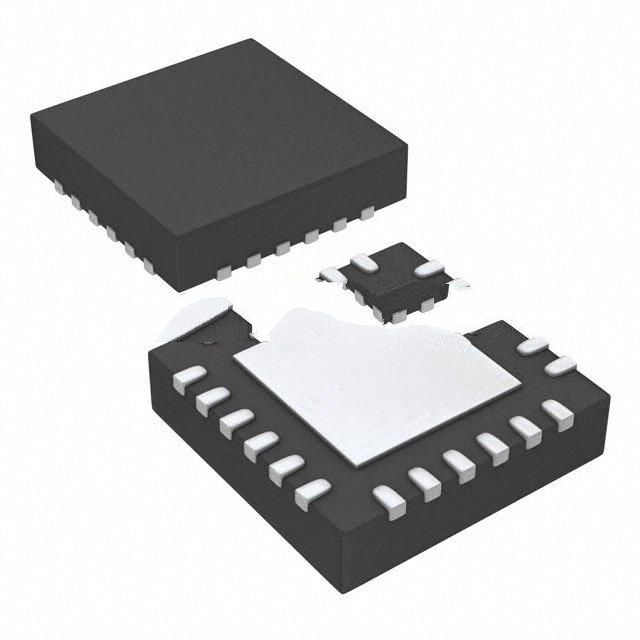
|
|
| Category | Clock/Timing - Clock Buffers, Drivers | Clock/Timing - Clock Buffers, Drivers |
| Manufacturer | Skyworks Solutions Inc. | Diodes Incorporated |
| Description | IC CLK BUFFER 1:4 LVDS 24QFN | CLOCK SAW OSCILLATOR SEAM7050 |
| Package | Tray | - |
| Series | - | * |
| Type | Fanout Buffer (Distribution), Translator | - |
| Voltage - Supply | 1.71V ~ 3.63V | - |
| Operating Temperature | -40°C ~ 85°C | - |
| Mounting Type | Surface Mount | - |
| Package / Case | 24-VFQFN Exposed Pad | - |
| Supplier Device Package | 24-QFN (4x4) | - |
| Output | LVDS | - |
| Frequency - Max | 350 MHz | - |
| Number of Circuits | 1 | - |
| Input | CMOS, HSTL, LVTTL, SSTL | - |
| Ratio - Input:Output | 1:4 | - |
| Differential - Input:Output | No/Yes | - |
-
1. What are clock buffers and drivers?
Clock buffers and drivers are electronic components used for distributing and enhancing clock signals. The clock buffer is used to replicate clock signals and distribute them to multiple outputs, while the driver enhances the signal strength to drive higher loads or longer transmission distances.
-
2. What are the main applications of clock buffers?
Clock buffers are widely used in systems that require the distribution of clock signals to multiple devices, such as computer motherboards, servers, communication equipment, data centers, and industrial control systems, to ensure synchronized operation of all devices.
-
3. What is the function of a clock driver?
The function of a clock driver is to enhance the driving capability of the clock signal, ensuring that the signal can be transmitted further or drive more loads without causing signal attenuation or distortion. It is particularly important in high-frequency and high load applications.
-
4. What output configurations does the clock buffer support?
Clock buffers typically support multiple output configurations, including single ended output, differential output, programmable delay, or selectable output frequency, to accommodate different system requirements.
