
SR225E474MAR vs SR225E474MAA
| Part Number |
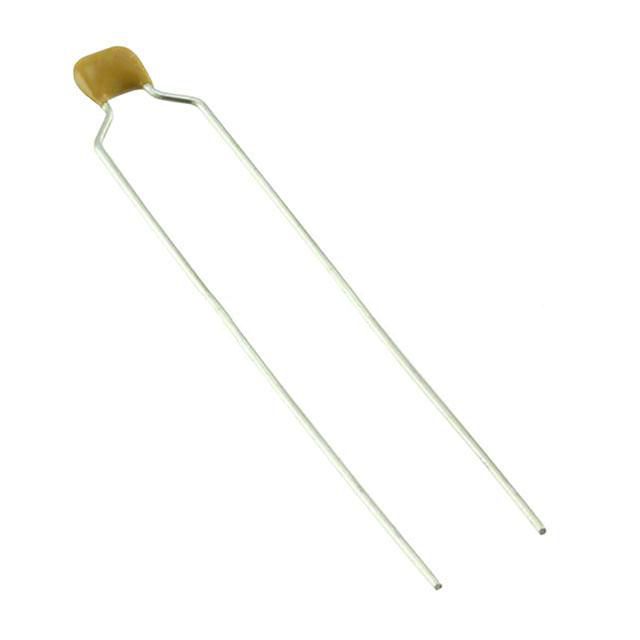
|
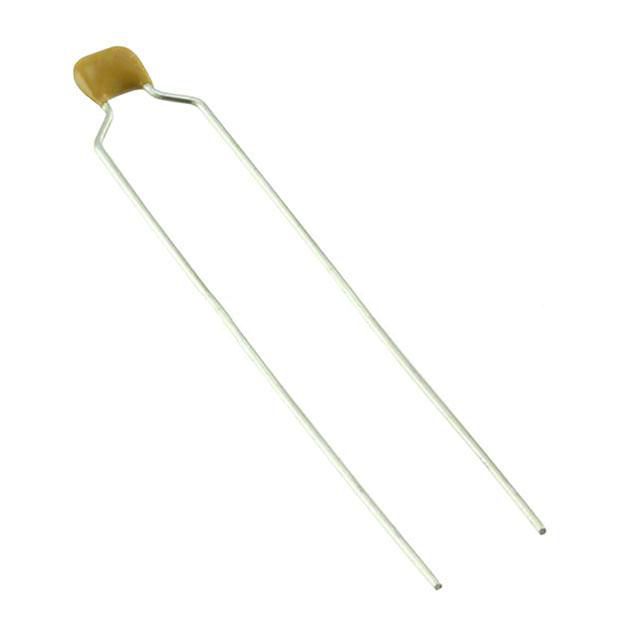
|
| Category | Ceramic Capacitors | Ceramic Capacitors |
| Manufacturer | KYOCERA AVX | KYOCERA AVX |
| Description | CAP CER 0.47UF 50V Z5U RADIAL | CAP CER 0.47UF 50V Z5U RADIAL |
| Package | Radial | Radial |
| Series | SkyCap? SR | SkyCap? SR |
| Operating Temperature | 10°C ~ 85°C | 10°C ~ 85°C |
| Mounting Type | Through Hole | Through Hole |
| Package / Case | Radial | Radial |
| Applications | General Purpose | General Purpose |
| Tolerance | ±20% | ±20% |
| Temperature Coefficient | Z5U | Z5U |
| Size / Dimension | 0.200" L x 0.125" W (5.08mm x 3.18mm) | 0.200" L x 0.125" W (5.08mm x 3.18mm) |
| Voltage - Rated | 50V | 50V |
| Lead Spacing | 0.250" (6.35mm) | 0.250" (6.35mm) |
| Height - Seated (Max) | 0.300" (7.62mm) | 0.300" (7.62mm) |
| Capacitance | 0.47µF | 0.47µF |
| Lead Style | Formed Leads | Formed Leads |
-
1. What is the difference between ceramic capacitors and electrolytic capacitors?
Polarity: Ceramic capacitors are non-polar, while electrolytic capacitors are polar.
Capacity range: Electrolytic capacitors generally offer larger capacitance values.
Stability: Ceramic capacitors are more stable, especially when the temperature changes.
Lifespan: Ceramic capacitors have a longer lifespan because there is no liquid electrolyte to dry out. -
2. Can I replace film capacitors with ceramic capacitors?
In many cases, ceramic capacitors can be used to replace film capacitors, especially when smaller size and lower cost are required. However, it is important to note that ceramic capacitors may have different temperature coefficients and self-healing characteristics, which may affect performance in a specific application.
-
3. Does the voltage of ceramic capacitors matter?
Voltage ratings are critical to ensure safe operation. Using a capacitor below the rated voltage may cause premature failure; using a capacitor above the rated voltage may cause immediate damage.
-
4. Why do ceramic capacitors make noise?
Some types of ceramic capacitors (particularly Class 2 ceramic capacitors) produce micro-vibrations when the voltage changes due to their material properties, which in turn cause faint mechanical noise.
