
TAJA225K010RNJ vs TAJB474K050RNJ
| Part Number |
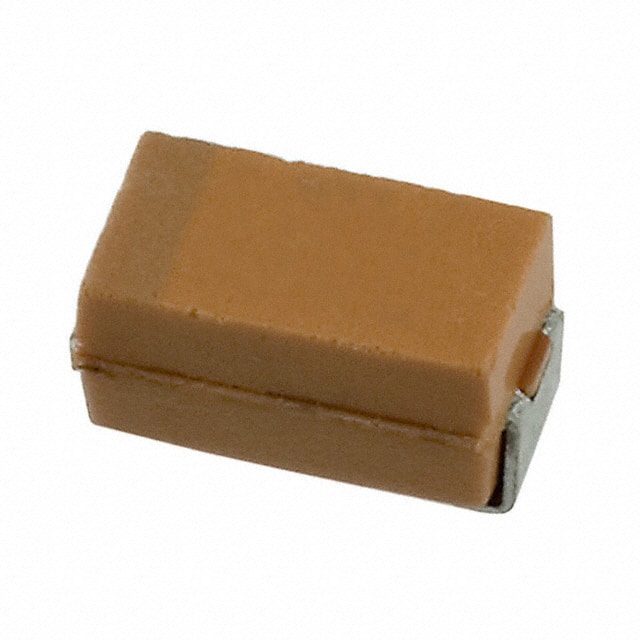
|
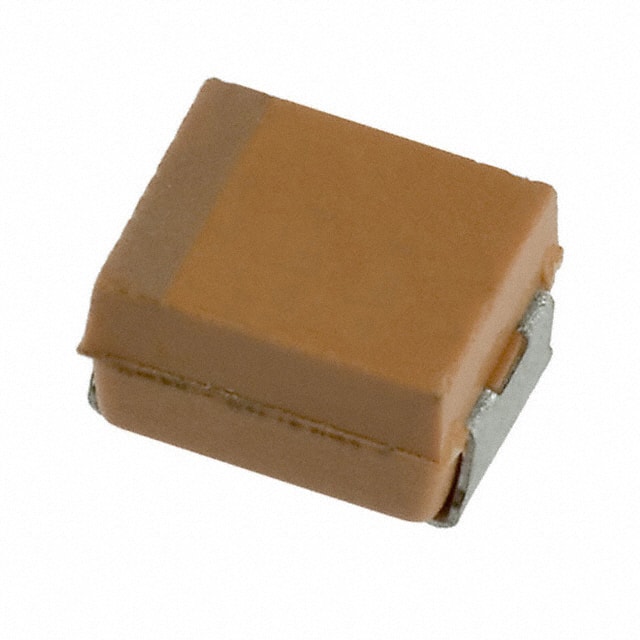
|
| Category | Tantalum Capacitors | Tantalum Capacitors |
| Manufacturer | KYOCERA AVX | KYOCERA AVX |
| Description | CAP TANT 2.2UF 10% 10V 1206 | CAP TANT 0.47UF 10% 50V 1411 |
| Package | Tape & Reel (TR) | Tape & Reel (TR) |
| Series | TAJ | TAJ |
| Type | Molded | Molded |
| Features | General Purpose | General Purpose |
| Operating Temperature | -55°C ~ 125°C | -55°C ~ 125°C |
| Mounting Type | Surface Mount | Surface Mount |
| Package / Case | 1206 (3216 Metric) | 1411 (3528 Metric), 1210 |
| Tolerance | ±10% | ±10% |
| Size / Dimension | 0.126" L x 0.063" W (3.20mm x 1.60mm) | 0.138" L x 0.110" W (3.50mm x 2.80mm) |
| Voltage - Rated | 10 V | 50 V |
| Lead Spacing | - | - |
| Ratings | - | - |
| Height - Seated (Max) | 0.071\" (1.80mm) | 0.083\" (2.10mm) |
| Capacitance | 2.2 µF | 0.47 µF |
| ESR (Equivalent Series Resistance) | - | 9.5Ohm |
| Lifetime @ Temp. | - | - |
| Failure Rate | - | - |
| Manufacturer Size Code | A | B |
-
1. Disadvantages of tantalum capacitors
The price is relatively high.
If used improperly or the circuit design is defective, it may fail, including explosion.
It is polarity sensitive and can only work in the specified direction.
It may fail easily under certain conditions (such as overvoltage, surge current). -
2. Will tantalum capacitors deteriorate?
Yes, tantalum capacitors may gradually lose some of their performance when stored for a long time or in adverse environments.
For example, long-term exposure to high temperature and humidity may cause the electrolyte to evaporate or chemically change. -
3. Is tantalum better than tungsten?
It depends on the application. For capacitors, tantalum is preferred due to its unique properties; while in some other industrial uses, such as making filaments, tungsten is preferred.
-
4. What special precautions must be taken when installing tantalum capacitors?
Ensure the correct polarity connection.
Be careful not to exceed the rated voltage.
Use appropriate fuses or other protective devices to prevent overcurrent.
Consider heat dissipation design to avoid local overheating.
