
TPA2018D1YZFR vs LM4917SD/NOPB
| Part Number |

|
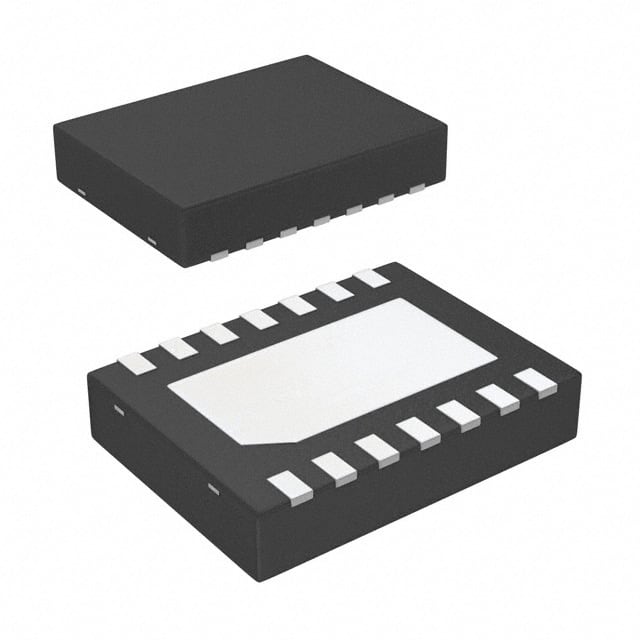
|
| Category | Linear - Amplifiers - Audio | Linear - Amplifiers - Audio |
| Manufacturer | Texas Instruments | Texas Instruments |
| Description | IC AMP CLASS D MONO 3W 9DSBGA | IC AMP CLASS AB STER 95MW 14WSON |
| Package | Tape & Reel (TR) | -Reel® |
| Series | SmartGain™ | Boomer® |
| Type | Class D | Class AB |
| Features | Differential Inputs, I²C, Short-Circuit and Thermal Protection, Shutdown, Volume Control | Depop, Short-Circuit and Thermal Protection, Shutdown |
| Voltage - Supply | 2.5V ~ 5.5V | 1.4V ~ 3.6V |
| Operating Temperature | -40°C ~ 85°C (TA) | -40°C ~ 85°C (TA) |
| Mounting Type | Surface Mount | Surface Mount |
| Package / Case | 9-UFBGA, DSBGA | 14-WFDFN Exposed Pad |
| Supplier Device Package | 9-DSBGA | 14-WSON (4x3) |
| Output Type | 1-Channel (Mono) | Headphones, 2-Channel (Stereo) |
| Max Output Power x Channels @ Load | 3W x 1 @ 4Ohm | 95mW x 2 @ 16Ohm |
-
1. What is an audio amplifier and what does it do?
An audio amplifier is a device that amplifies an audio signal, such as music or speech, to a higher voltage or current level to drive speakers or headphones, ensuring that the sound remains clear and accurate when played at higher volumes.
-
2. What is a power amplifier and how is it different from an audio amplifier?
A power amplifier is a type of audio amplifier designed to drive high-power loads such as speakers. It is capable of amplifying audio signals to a sufficient power output to drive speakers to produce greater volume.
-
3. Does the audio amplifier need to match the impedance of the speakers?
Yes, the output impedance of the audio amplifier should match the impedance of the speaker. Typically speakers have an impedance of 4Ω, 8Ω or 16Ω. Matching the impedance ensures that the amplifier delivers maximum power and the best sound quality from the speaker.
-
4. How can I improve the thermal performance of my audio amplifier?
Audio amplifiers generate heat when they operate, especially Class A and Class AB amplifiers. Ways to improve heat dissipation include using a larger heat sink, adding a fan, or using a more efficient Class D amplifier. A good thermal design will improve the performance and life of the amplifier.
