
TPA731DGNR vs TPA152DR
| Part Number |

|
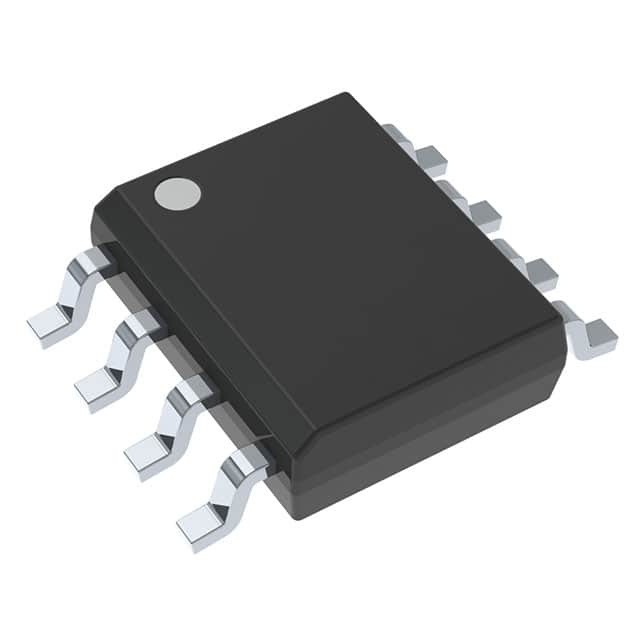
|
| Category | Linear - Amplifiers - Audio | Linear - Amplifiers - Audio |
| Manufacturer | Texas Instruments | Texas Instruments |
| Description | IC AMP CLASS AB MONO 700MW 8MSOP | IC AMP CLASS AB STER 75MW 8SOIC |
| Package | -Reel® | -Reel® |
| Series | - | - |
| Type | Class AB | Class AB |
| Features | Differential Inputs, Short-Circuit and Thermal Protection, Shutdown | Depop, Mute, Short-Circuit and Thermal Protection |
| Voltage - Supply | 2.5V ~ 5.5V | 4.5V ~ 5.5V |
| Operating Temperature | -40°C ~ 85°C (TA) | -40°C ~ 85°C (TA) |
| Mounting Type | Surface Mount | Surface Mount |
| Package / Case | 8-TSSOP, 8-MSOP (0.118\", 3.00mm Width) Exposed Pad | 8-SOIC (0.154\", 3.90mm Width) |
| Supplier Device Package | 8-HVSSOP | 8-SOIC |
| Output Type | 1-Channel (Mono) | Headphones, 2-Channel (Stereo) |
| Max Output Power x Channels @ Load | 700mW x 1 @ 8Ohm | 75mW x 2 @ 32Ohm |
-
1. What types of audio amplifiers are available?
Common types of audio amplifiers include:
Class A amplifiers: have the highest sound quality, but are less efficient.
Class B amplifiers: More efficient, but may produce crossover distortion.
Class AB amplifiers: between Class A and Class B with good balance.
Class D amplifier: highest efficiency, suitable for portable devices, but slightly lower sound quality. -
2. What is the Total Harmonic Distortion (THD) of an audio amplifier?
Total Harmonic Distortion (THD) is the distortion component introduced by an audio amplifier during the signal amplification process. the lower the THD, the closer the amplified audio signal will be to the original signal, and usually high quality audio amplifiers have a THD value of less than 1%.
-
3. What is a Class D audio amplifier and what are its advantages?
Class D audio amplifiers work through Pulse Width Modulation (PWM) technology and have extremely high efficiency (typically up to 90% or higher), making them suitable for use in portable audio equipment or high-efficiency sound systems. It generates less heat because it reduces energy consumption.
-
4. Does the audio amplifier need to match the impedance of the speakers?
Yes, the output impedance of the audio amplifier should match the impedance of the speaker. Typically speakers have an impedance of 4Ω, 8Ω or 16Ω. Matching the impedance ensures that the amplifier delivers maximum power and the best sound quality from the speaker.
