
TPS2393DBT vs TPS2398DGK
| Part Number |
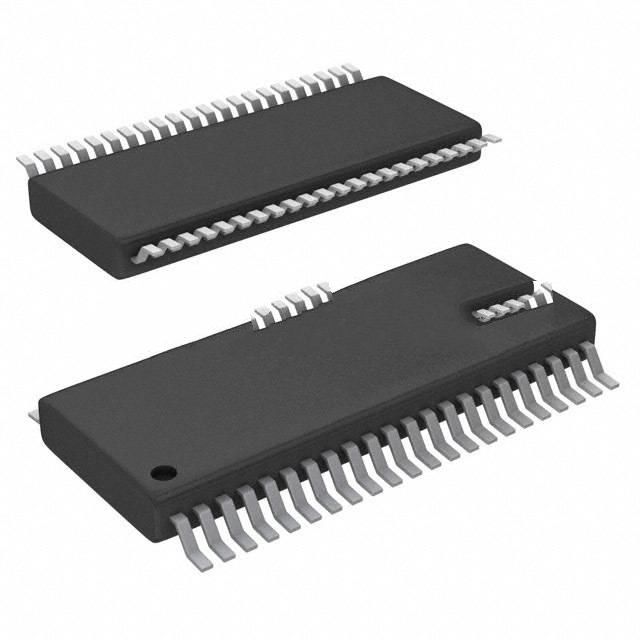
|

|
| Category | PMIC - Hot Swap Controllers | PMIC - Hot Swap Controllers |
| Manufacturer | Texas Instruments | Texas Instruments |
| Description | IC HOT SWAP CTRLR -48V 44TSSOP | IC HOT SWAP CTRLR -48V 8VSSOP |
| Package | -Reel® | Tape & Reel (TR) |
| Series | - | - |
| Type | Hot Swap Controller | Hot Swap Controller |
| Features | Auto Retry | Latched Fault, UVLO |
| Voltage - Supply | -80V ~ -20V | -80V ~ -36V |
| Operating Temperature | -40°C ~ 85°C | -40°C ~ 85°C |
| Mounting Type | Surface Mount | Surface Mount |
| Package / Case | 44-TFSOP (0.173\", 4.40mm Width) | 8-TSSOP, 8-MSOP (0.118\", 3.00mm Width) |
| Supplier Device Package | 44-TSSOP | 8-VSSOP |
| Current - Supply | 1.05 mA | 700 µA |
| Applications | -48V | -48V |
| Current - Output (Max) | - | - |
| Number of Channels | 1 | 1 |
| Internal Switch(s) | No | No |
| Programmable Features | Current Limit, Fault Timeout, OVP, Slew Rate, UVLO | Current Limit, Fault Timeout, Slew Rate |
-
1. How does a PMIC hot-swap controller work?
A hot-swap controller protects system components by limiting inrush current during insertion. It monitors parameters such as current and voltage and triggers protection mechanisms such as overcurrent protection or disconnection of power when they exceed the safe range.
-
2. What are the main applications of hot-swap controllers?
Hot-swap controllers are widely used in servers, telecommunications equipment, data centers, power distribution systems, and industrial equipment, where hot-swap requirements are high and stability and safety need to be ensured.
-
3. What is the difference between a hot-swap controller and a power switch?
Hot-swap controllers actively manage current and voltage changes during the plug-in process, while ordinary power switches only have simple on-off functions and cannot provide protection and control functions.
-
4. How to test the performance of hot-swap controllers?
Performance tests can include plug-in tests, current limiting tests, protection function verification, and current surge measurements. Using an oscilloscope to observe the current and voltage changes at the moment of plug-in is an effective way to verify its performance.
