
TS488IST vs NJU8752V-TE1
| Part Number |

|
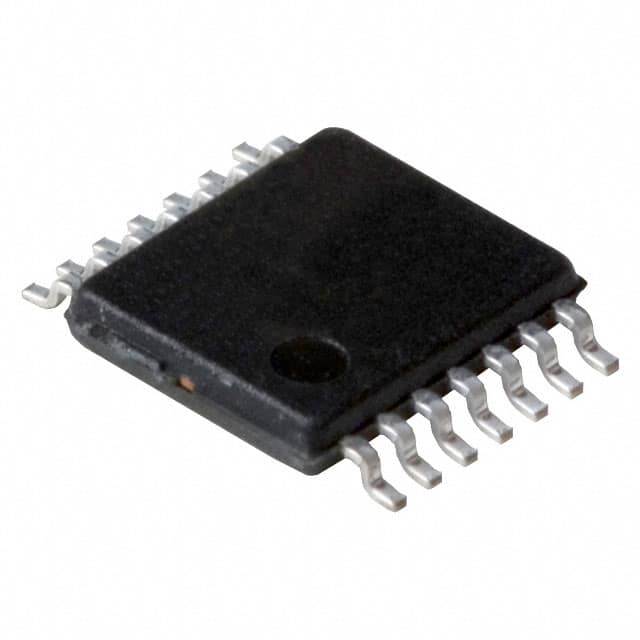
|
| Category | Linear - Amplifiers - Audio | Linear - Amplifiers - Audio |
| Manufacturer | STMicroelectronics | NJR Corporation/NJRC |
| Description | IC AMP AB STEREO 130MW 8MINISO | IC AMP CLASS D MONO 14SSOP |
| Package | Tape & Reel (TR) | Cut Tape (CT) |
| Series | - | - |
| Type | Class AB | Class D |
| Features | Depop, Short-Circuit Protection, Standby | Mute, Short-Circuit Protection, Standby |
| Voltage - Supply | 2.2V ~ 5.5V | 2.7V ~ 3.6V |
| Operating Temperature | -40°C ~ 85°C (TA) | -40°C ~ 85°C (TA) |
| Mounting Type | Surface Mount | Surface Mount |
| Package / Case | 8-TSSOP, 8-MSOP (0.118\", 3.00mm Width) | 14-LSSOP (0.173\", 4.40mm Width) |
| Supplier Device Package | 8-MiniSO | 14-SSOP |
| Output Type | Headphones, 2-Channel (Stereo) | 1-Channel (Mono) |
| Max Output Power x Channels @ Load | 130mW x 2 @ 16Ohm | - |
-
1. What is an audio amplifier and what does it do?
An audio amplifier is a device that amplifies an audio signal, such as music or speech, to a higher voltage or current level to drive speakers or headphones, ensuring that the sound remains clear and accurate when played at higher volumes.
-
2. What is the signal-to-noise ratio (SNR) of an audio amplifier?
Signal-to-noise ratio (SNR) is a measure of the ratio of the audio signal to the background noise, with higher values indicating less noise in the audio signal. A high SNR usually means clearer sound output.
-
3. Does the audio amplifier need to match the impedance of the speakers?
Yes, the output impedance of the audio amplifier should match the impedance of the speaker. Typically speakers have an impedance of 4Ω, 8Ω or 16Ω. Matching the impedance ensures that the amplifier delivers maximum power and the best sound quality from the speaker.
-
4. How can I improve the thermal performance of my audio amplifier?
Audio amplifiers generate heat when they operate, especially Class A and Class AB amplifiers. Ways to improve heat dissipation include using a larger heat sink, adding a fan, or using a more efficient Class D amplifier. A good thermal design will improve the performance and life of the amplifier.
