
UDA1351TS/N1,518 vs TDA8783HL/C5,118
| Part Number |
|

|
| Category | Data Acquisition - ADCs/DACs - Special Purpose | Data Acquisition - ADCs/DACs - Special Purpose |
| Manufacturer | NXP USA Inc. | NXP USA Inc. |
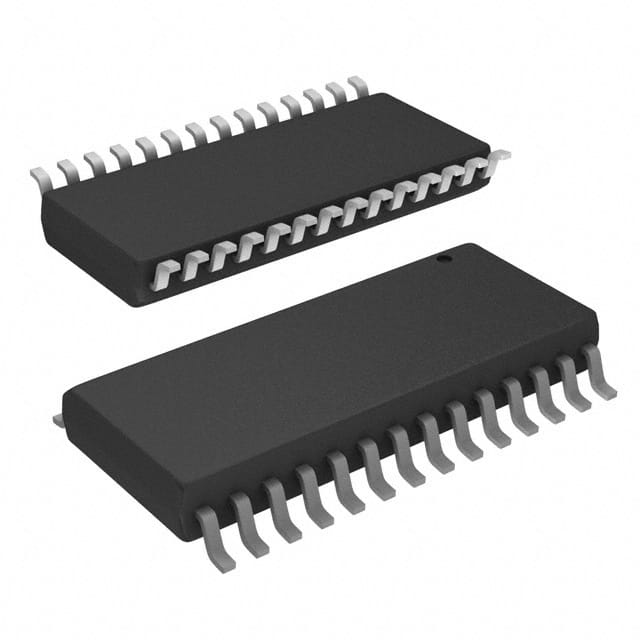
| Description | IC DAC/AUDIO 20BIT 100K 28SSOP | IC ADC/VIDEO 10BIT 40M 48LQFP |
| Package | Tape & Reel (TR) | -Reel® |
| Series | - | - |
| Type | DAC, Audio | ADC, Video |
| Voltage - Supply | 2.7V ~ 3.6V | 4.75V ~ 5.25V |
| Operating Temperature | -40°C ~ 85°C | -20°C ~ 75°C |
| Mounting Type | Surface Mount | Surface Mount |
| Package / Case | 28-SSOP (0.209\", 5.30mm Width) | 48-LQFP |
| Supplier Device Package | 28-SSOP | 48-LQFP (7x7) |
| Number of Channels | 2 | 1 |
| Resolution (Bits) | 20 b | 10 b |
| Sampling Rate (Per Second) | 100k | 40M |
| Data Interface | PCM | Serial |
| Voltage Supply Source | Analog and Jinftrytal | Analog and Jinftrytal |
-
1. What are the differences between special-purpose ADCs and DACs and conventional converters?
Special purpose ADCs/DACs are optimized in terms of speed, accuracy, power consumption, or anti-interference, and are suitable for applications that require very high performance or specific functionality, while conventional converters are generally used in general scenarios.
-
2. In which scenarios are special purpose DACs typically used?
Special purpose DACs are typically used for applications that require precise analog output, such as high fidelity audio systems, precise power control, laser modulators, analog signal generators, and control systems.
-
3. How to choose ADC/DAC suitable for specific applications?
When selecting, consideration should be given to the resolution, sampling rate, signal-to-noise ratio, power consumption, number of input/output channels, linearity, operating temperature range, and whether it meets the standards or certification requirements of the target application.
-
4. How to use special purpose ADCs and DACs in high noise environments?
In high noise environments, it is particularly important to choose ADCs and DACs with high signal-to-noise ratio (SNR) and good anti-interference design. Shielding and filtering techniques can also help reduce noise interference, ensuring accurate signal acquisition and output.
