
V3020SO8B+ vs RX8111CE A3
| Part Number |
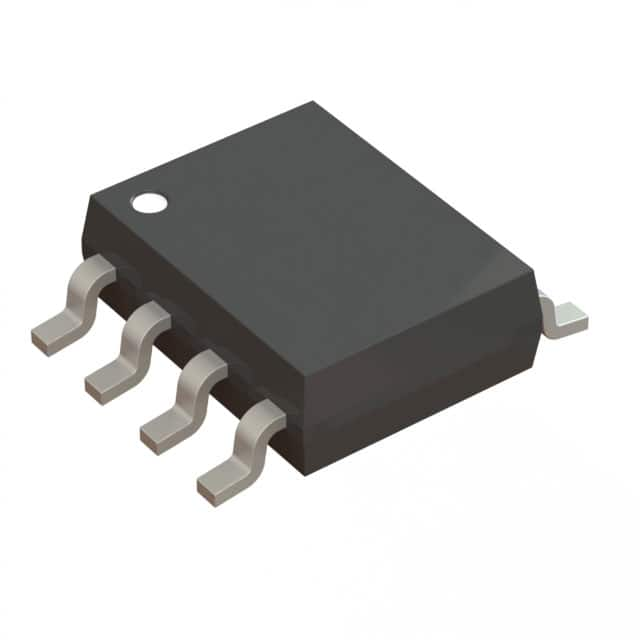
|
|
| Category | Clock/Timing - Real Time Clocks | Clock/Timing - Real Time Clocks |
| Manufacturer | EM Microelectronic | Epson |
| Description | RTC, LOW POWER, 1-BIT I/F, 32KHZ | IC RTC CLK/CALENDAR I2C SMD |
| Package | Tape & Reel (TR) | Bulk |
| Series | - | RX8111CE |
| Type | Clock/Calendar | Clock/Calendar |
| Features | Alarm, Leap Year, RAM | Alarm, RAM |
| Time Format | HH:MM:SS | HH:MM:SS |
| Date Format | YY-MM-DD-dd | YY-MM-DD |
| Interface | 3-Wire Serial | I²C |
| Voltage - Supply | 1.2V ~ 5.5V | 1.6V ~ 5.5V |
| Current - Timekeeping (Max) | 4µA ~ 7µA @ 3V ~ 5V | 3µA @ 3V |
| Operating Temperature | -40°C ~ 85°C (TA) | -40°C ~ 85°C (TA) |
| Mounting Type | Surface Mount | Surface Mount |
| Package / Case | 8-SOIC (0.154\", 3.90mm Width) | 10-SMD, No Lead |
| Supplier Device Package | 8-SOIC | 10-SMD |
| Memory Size | 1B | - |
| Voltage - Supply, Battery | - | - |
-
1. How does a real-time clock work?
RTC is usually driven by a low-power oscillator (such as a quartz crystal oscillator) and powered by an independent power source (such as a battery), which can continuously time even when the main power supply is off.
-
2. How accurate is the real-time clock?
The accuracy of RTC usually depends on the clock source used (such as a crystal oscillator), and most RTC accuracies range from a few seconds to a few minutes per month. For higher precision, a temperature compensated crystal oscillator (TCXO) can be used.
-
3. How often do RTC batteries need to be replaced?
The battery life of RTC can usually last for several years, depending on the type of battery used, the power consumption of RTC, and the ambient temperature. Generally speaking, button batteries can last for 5-10 years under normal conditions.
-
4. Can real-time clocks be used to set timers or alarms?
Yes, many RTC chips have built-in alarm functions that can trigger interrupts at set times to perform specific tasks or wake up the system.
