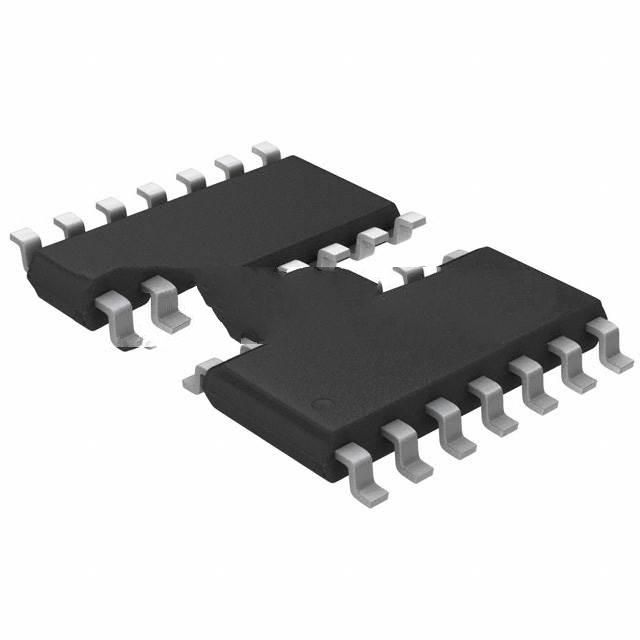
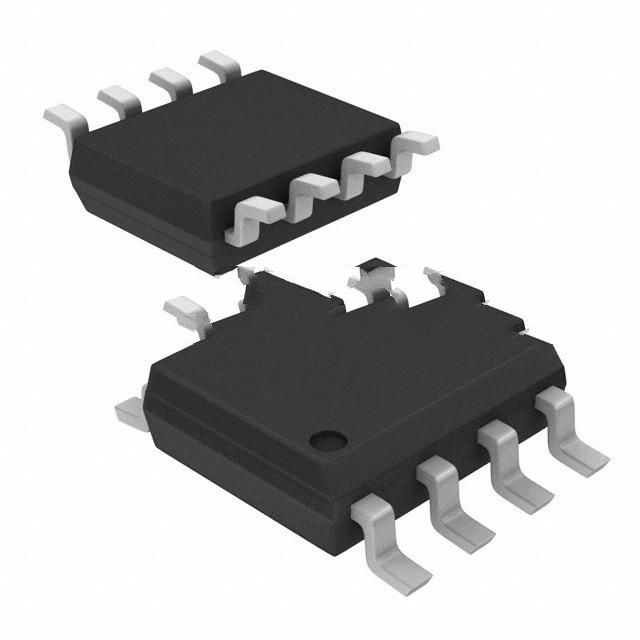
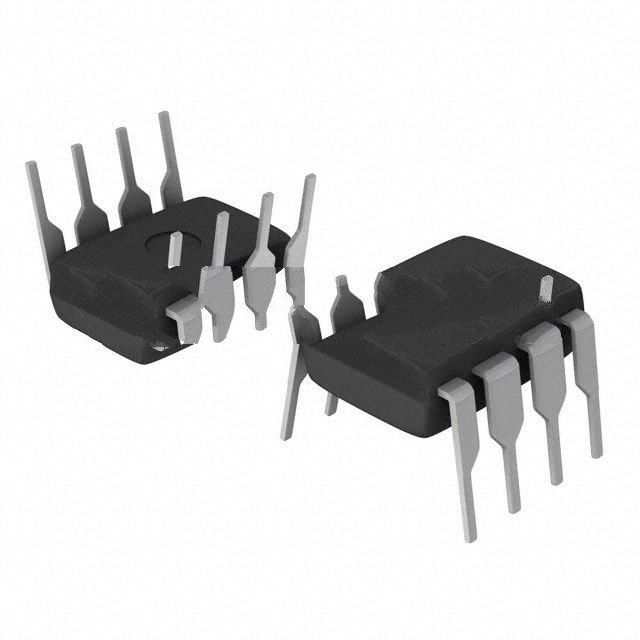
Fairchild Semiconductor 74LCX540WMX
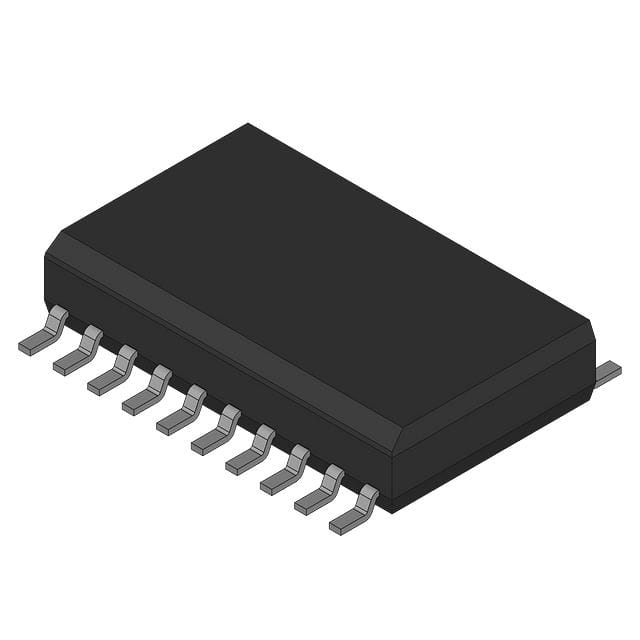
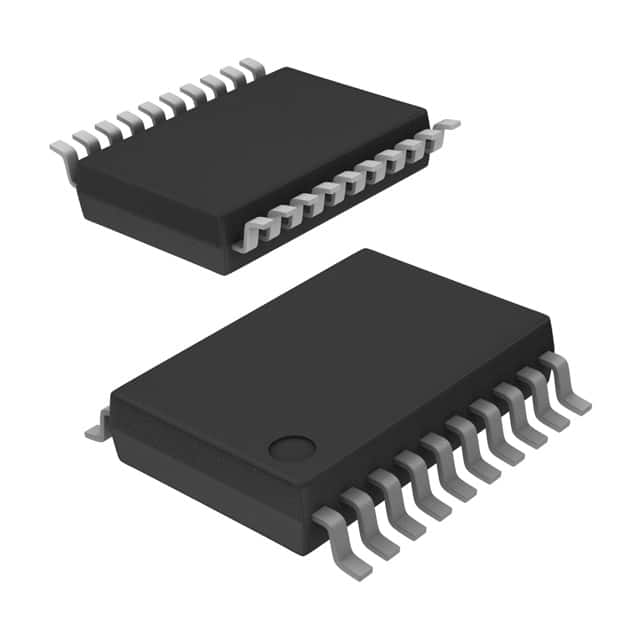
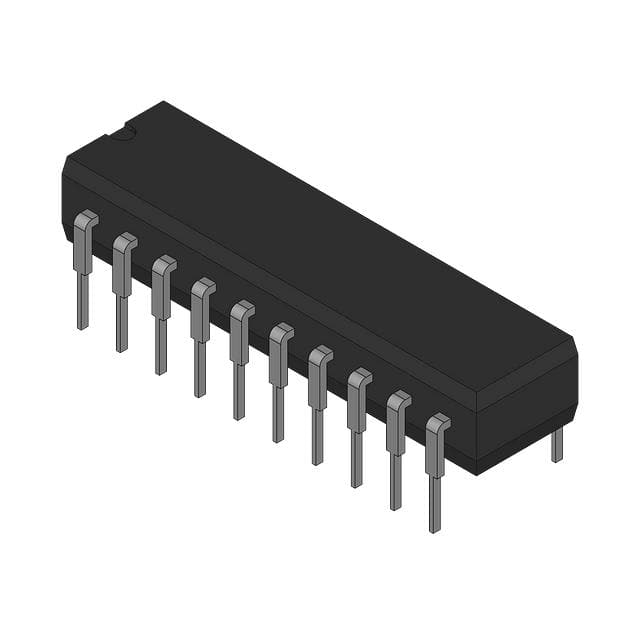
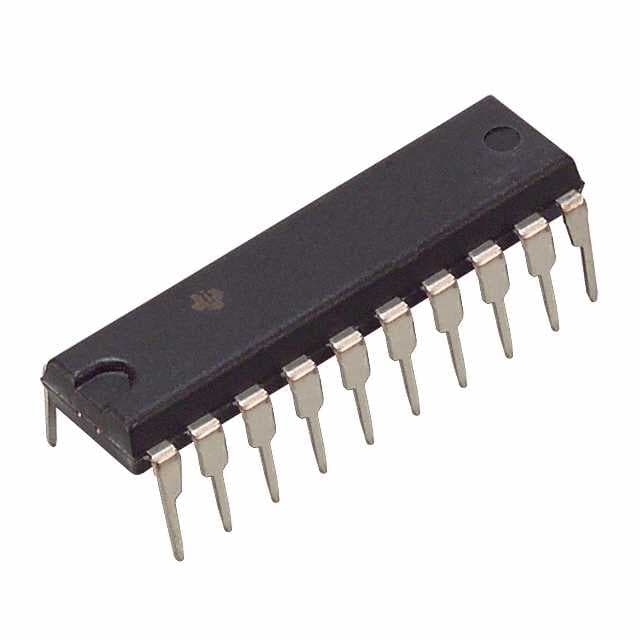
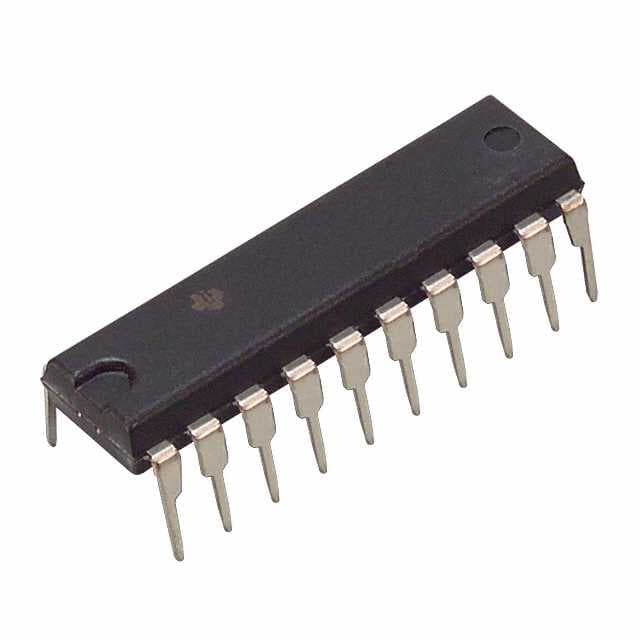
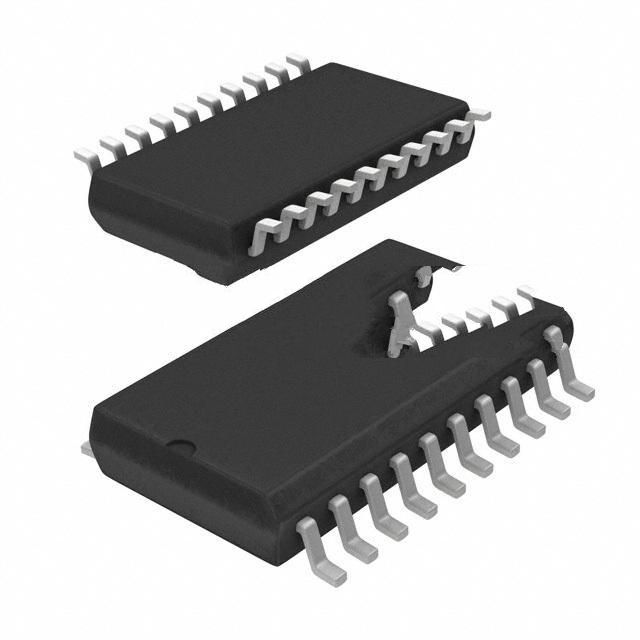
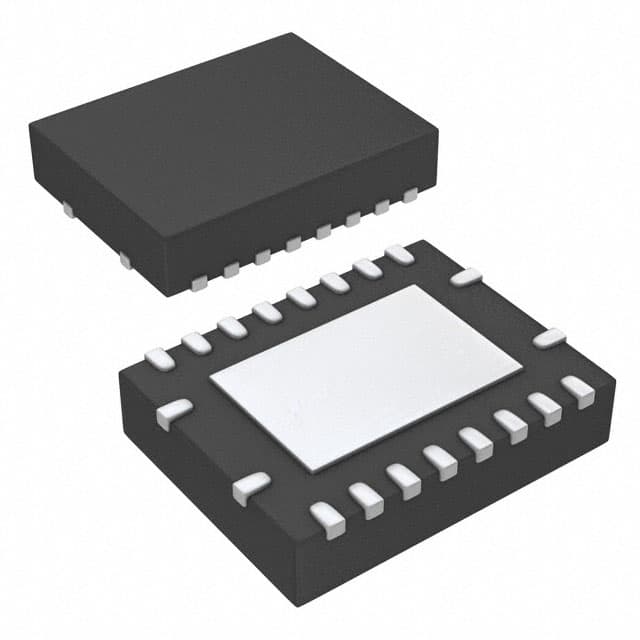
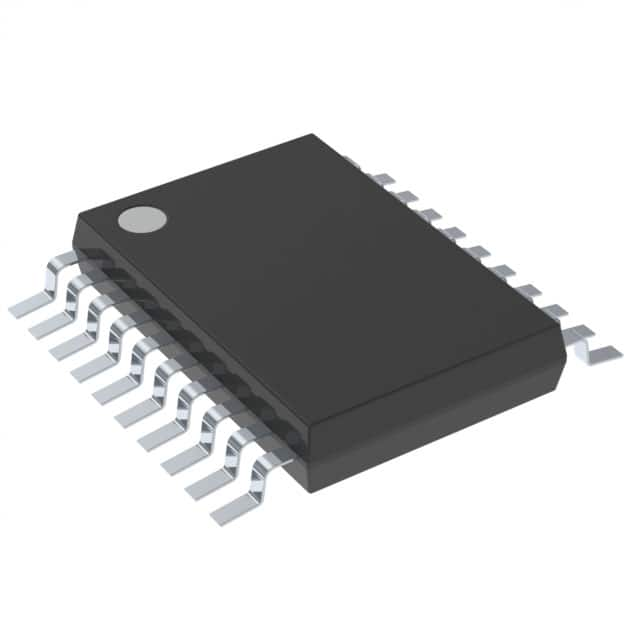
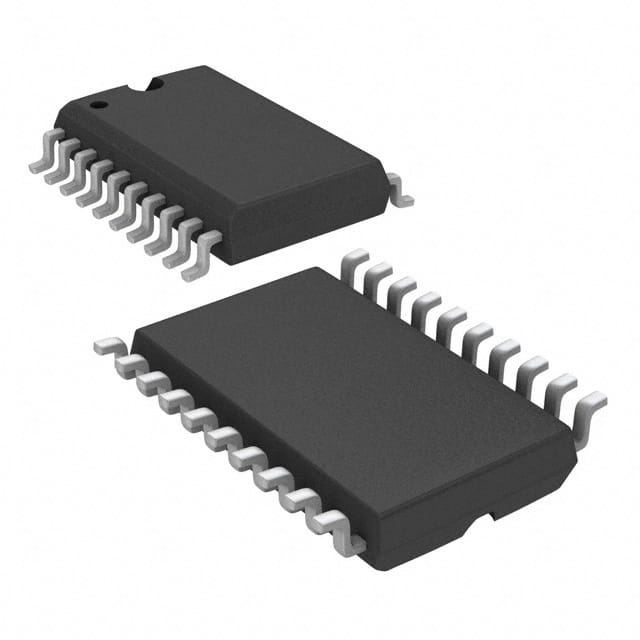
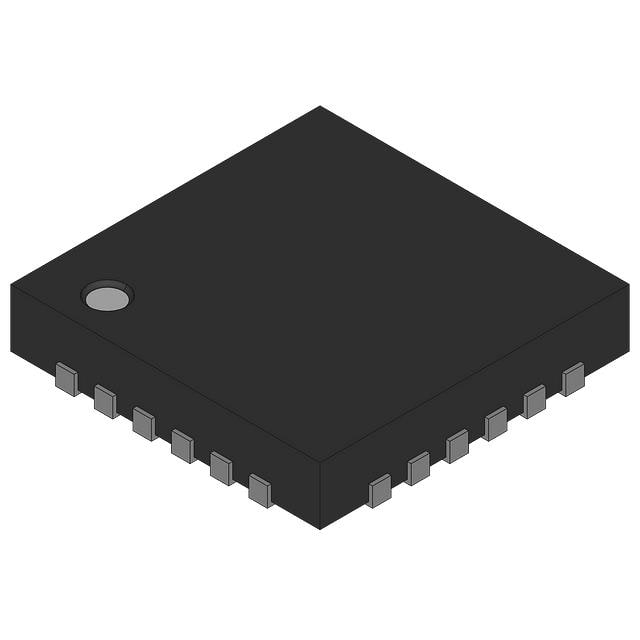
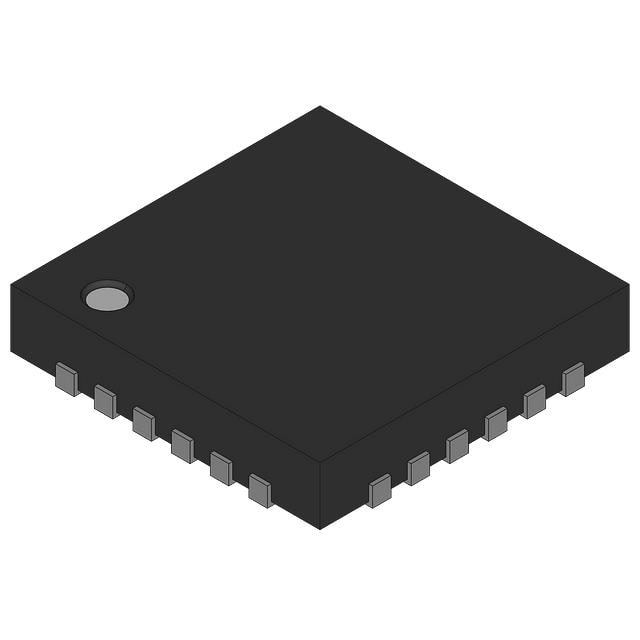
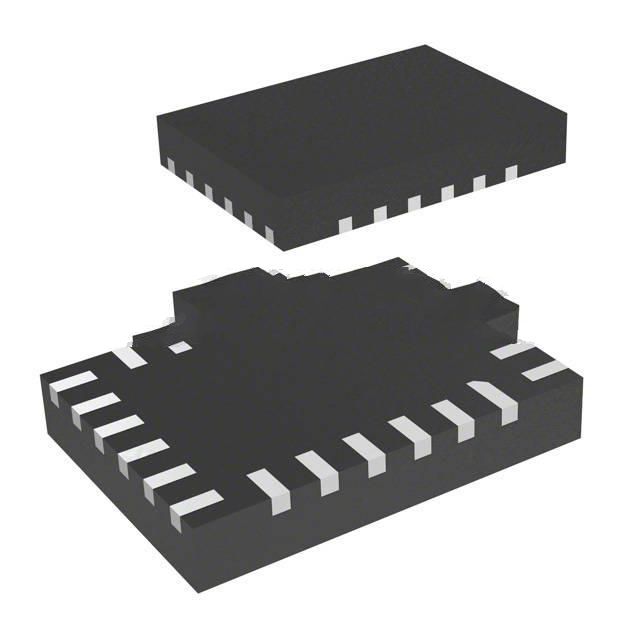
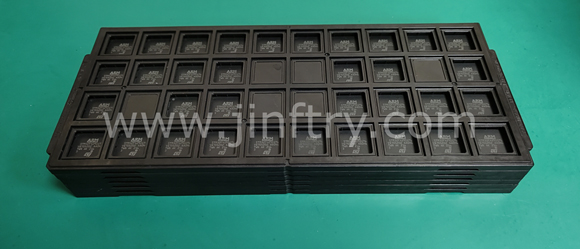
The picture is for reference only, please refer to the product specification
- 74LCX540WMX
- Fairchild Semiconductor
- BUS DRIVER, LVC/LCX/Z SERIES, 1
- Logic - Buffers, Drivers, Receivers, Transceivers
- 74LCX540WMX Datasheet
- 20-SOIC (0.295\", 7.50mm Width)
- -Reel®
-
 Lead free / RoHS Compliant
 - 3371
- Spot Inventory / Athorized Dstributor / Factory Excess Stock
- 1 year quality assurance 》
- Click to get rates


What is 74LCX540WMX
Fairchild Semiconductor Part Number 74LCX540WMX(Logic - Buffers, Drivers, Receivers, Transceivers), developed and manufactured by Fairchild Semiconductor, distributed globally by Jinftry. We distribute various electronic components from world-renowned brands and provide one-stop services, making us a trusted global electronic component distributor.
74LCX540WMX is one of the part numbers distributed by Jinftry, and you can learn about its specifications/configurations, package/case, Datasheet, and other information here. Electronic components are affected by supply and demand, and prices fluctuate frequently. If you have a demand, please do not hesitate to send us an RFQ or email us immediately [email protected] Please inquire about the real-time unit price, Data Code, Lead time, payment terms, and any other information you would like to know. We will do our best to provide you with a quotation and reply as soon as possible.
74LCX540WMX Specifications
- Part Number74LCX540WMX
- CategoryLogic - Buffers, Drivers, Receivers, Transceivers
- ManufacturerFairchild Semiconductor
- DescriptionBUS DRIVER, LVC/LCX/Z SERIES, 1
- Package-Reel®
- Series74LCX
- Voltage - Supply2V ~ 3.6V
- Operating Temperature-40°C ~ 85°C (TA)
- Mounting TypeSurface Mount
- Package / Case20-SOIC (0.295\", 7.50mm Width)
- Supplier Device Package20-SOIC
- Output Type3-State
- Input Type-
- Number of Elements1
- Current - Output High, Low24mA, 24mA
- Logic TypeBuffer, Inverting
- Number of Bits per Element8
Application of 74LCX540WMX
74LCX540WMX Datasheet
74LCX540WMX Datasheet , -Reel®,74LCX,2V ~ 3.6V,-40°C ~ 85°C (TA),Surface Mount,20-SOIC (0.295\", 7.50mm Width),20-SOIC,3-State,1,24mA, 24mA,Buffer, Inverting,8
74LCX540WMX Classification
Logic - Buffers, Drivers, Receivers, Transceivers
FAQ about Logic - Buffers, Drivers, Receivers, Transceivers
-
1. What are the most common logic ICs?
The most common logic IC is CMOS logic IC. CMOS logic IC is widely used in various electronic systems due to its low power consumption and low cost.
CMOS logic IC (complementary metal oxide semiconductor logic integrated circuit) combines p-channel and n-channel MOSFETs to achieve lower power consumption than traditional TTL (transistor-transistor logic). Although CMOS logic IC was slow at first, with the advancement of wafer manufacturing process, CMOS logic IC now provides higher operating speed and relatively low cost due to its improved manufacturing process.
In addition to CMOS logic IC, other common logic ICs include TTL, BiCMOS, etc. TTL logic IC was originally widely used because it provides higher current driving capability and operating speed, but with higher power consumption. BiCMOS logic IC combines the low power consumption of CMOS and the high current driving capability of bipolar transistors, but the manufacturing process is complex and the cost is high. -
2. What is a driver buffer?
A driver buffer is an electronic component that is mainly used for signal amplification and transmission to ensure signal integrity and stability. It is often used to convert weak input signals into strong output signals to meet the needs of different application scenarios.
The working principle of the driver buffer is based on its internal structure and control mechanism. Take 74HC244 as an example. It contains two four-bit three-state buffers, and the three-state output is controlled by the output enable terminal (OE). When OE is high, the output terminal is in a high-impedance state and is disconnected from the connected circuit; when OE is low, the output terminal follows the input terminal state. This design enables the driver buffer to flexibly control the transmission and amplification of the signal. -
3. Why does the display interface need a transistor buffer or driver?
The main reason why the display interface needs a transistor buffer or driver is to enhance the driving ability of the signal, ensure that the signal can be effectively transmitted to the output end, and reduce signal loss and interference.
First, the display interface usually connects the high-speed CPU with the slow-speed peripherals (such as the display), and there is a difference in data processing speed between the two. In order to coordinate this difference and ensure the synchronization and stability of data transmission, a buffer or driver is needed to temporarily store the data, so as to achieve smooth data transmission.
Secondly, the transistor buffer or driver can amplify the signal and provide stronger driving ability to ensure that the signal is not affected by the load during transmission. This is especially important in high-voltage applications, because direct use of microcontroller drive may cause excessive power consumption and even damage the device. By using a buffer or driver, the driving signal can be effectively amplified, the switching loss can be reduced, and the power efficiency can be improved.
We are a professional PCB manufacturer who offers comprehensive PCB manufacturing services including: professional Ceramic PCB HDI PCB Heavy Copper PCB High-TG PCB High Speed PCB High Frequency PCB Metal Core PCB PCB fabrication and PCB assembly, providing fast turnaround prototypes for high-end products.



• Prompt Responsiveness
• Guaranteed Quality
• Global Access
• Competitive Market Price
• One-Stop support services of supply chain
Jinftry, Your most trustworthy component supplier, welcome to send us the inquiry, thank you!
Do you have any questions about 74LCX540WMX ?
Feel free to contact us: