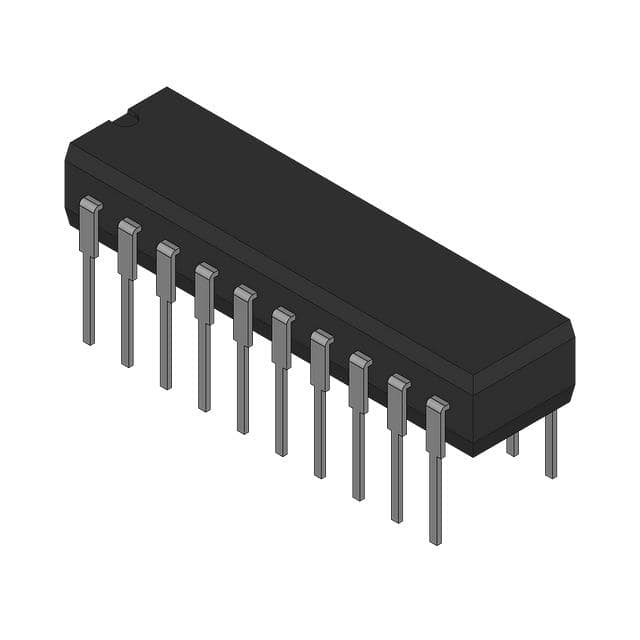
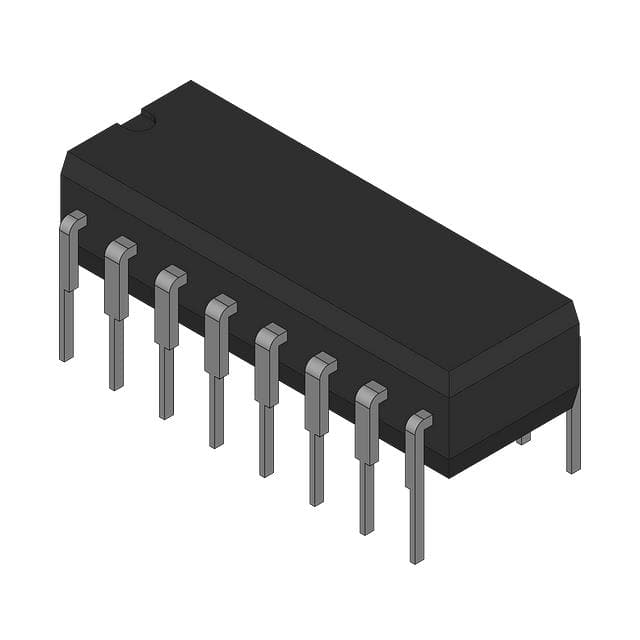
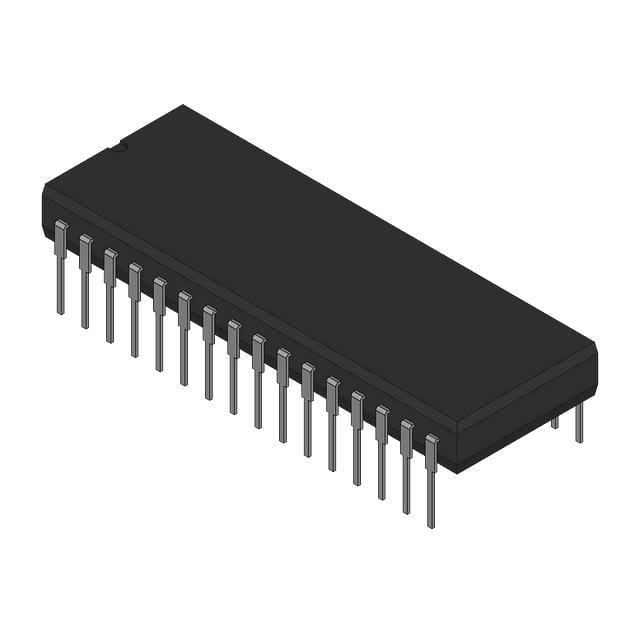
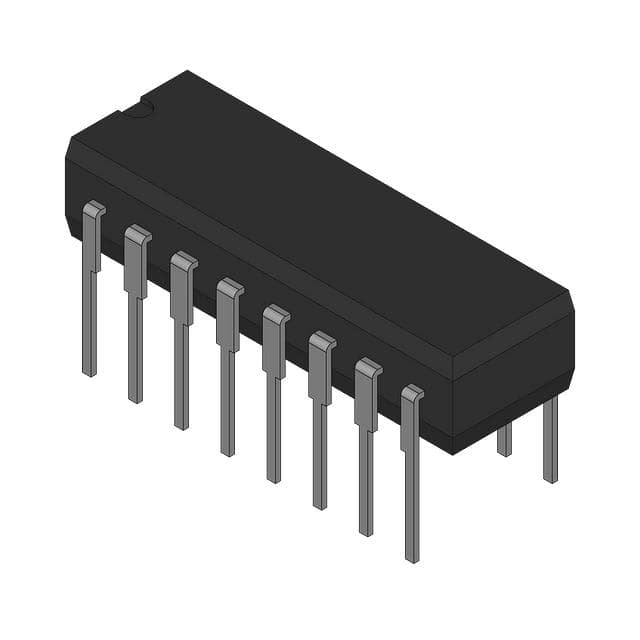
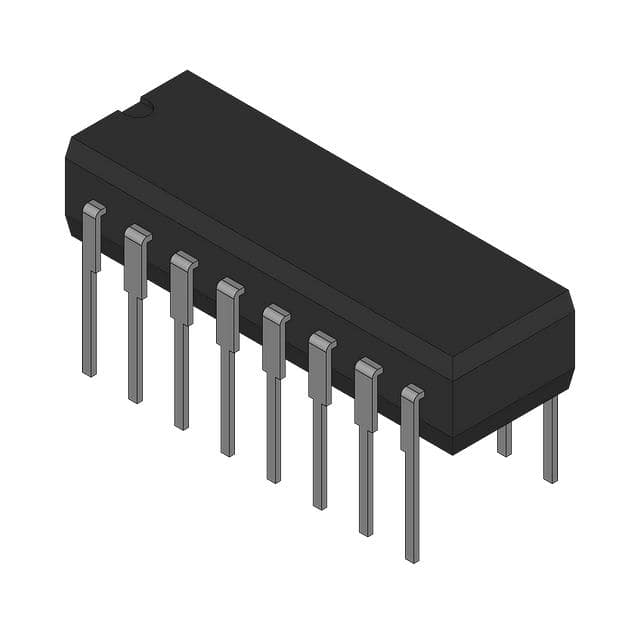
National Semiconductor 74LS323SCX

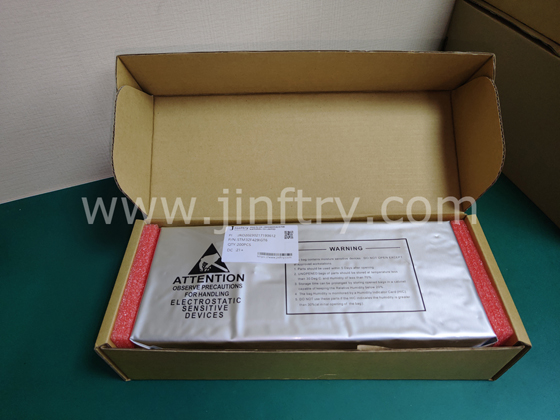
The picture is for reference only, please refer to the product specification
- 74LS323SCX
- National Semiconductor
- SHIFT REGISTER, 8 BIT, TTL, PDSO
- Logic - Shift Registers
- 74LS323SCX Datasheet
- -
- -Reel®
-
 Lead free / RoHS Compliant
 - 6744
- Spot Inventory / Athorized Dstributor / Factory Excess Stock
- 1 year quality assurance 》
- Click to get rates


What is 74LS323SCX
National Semiconductor Part Number 74LS323SCX(Logic - Shift Registers), developed and manufactured by National Semiconductor, distributed globally by Jinftry. We distribute various electronic components from world-renowned brands and provide one-stop services, making us a trusted global electronic component distributor.
74LS323SCX is one of the part numbers distributed by Jinftry, and you can learn about its specifications/configurations, package/case, Datasheet, and other information here. Electronic components are affected by supply and demand, and prices fluctuate frequently. If you have a demand, please do not hesitate to send us an RFQ or email us immediately [email protected] Please inquire about the real-time unit price, Data Code, Lead time, payment terms, and any other information you would like to know. We will do our best to provide you with a quotation and reply as soon as possible.
74LS323SCX Specifications
- Part Number74LS323SCX
- CategoryLogic - Shift Registers
- ManufacturerNational Semiconductor
- DescriptionSHIFT REGISTER, 8 BIT, TTL, PDSO
- Package-Reel®
- Series-
- Voltage - Supply-
- Operating Temperature-
- Mounting Type-
- Package / Case-
- Supplier Device Package-
- Function-
- Output Type-
- Number of Elements-
- Logic Type-
- Number of Bits per Element-
Application of 74LS323SCX
74LS323SCX Datasheet
74LS323SCX Datasheet , -Reel®
74LS323SCX Classification
Logic - Shift Registers
FAQ about Logic - Shift Registers
-
1. What is an IC shift register?
An IC shift register is a sequential logic circuit that is mainly used to store and transfer data. It consists of a series of flip-flops that are connected in such a way that the output of one flip-flop can be used as the input of another flip-flop, thereby realizing the shift operation of data.
Definition and basic principle
A shift register is a register that can transfer ("shift") data, usually composed of multiple flip-flops in series. Each flip-flop is responsible for storing a data bit (0 or 1), and under the control of a clock signal, the data bit can be shifted to the left or right.
What is a shift register in digital logic?
A shift register is a sequential logic circuit that is mainly used to gradually shift input data to the output end under the stimulation of each clock pulse. A shift register consists of a series of single-bit "D-type flip-flops", each of which is responsible for storing a data bit (logical 0 or 1). These flip-flops are connected in series to realize continuous shifting of data.
Basic working principle of shift register
The working principle of a shift register is based on the control of clock pulses. All flip-flops share a clock signal to ensure synchronous operation. Whenever a clock pulse arrives, the data in the register will shift one bit to the left or right in sequence. The data input mode of the shift register is divided into serial input and parallel input, and the output also has two modes: serial and parallel.
-
2. What is a register IC?
Register IC is not an independent entity, but refers to a register used to store and operate data in an integrated circuit (IC). A register is a storage unit inside a processor or a hardware module that is used to save specific status, data, or control information. Registers play a key role in hardware design and embedded development, and their configuration and operation directly affect the operation of the device.
Definition and function of registers
A register is a very small storage unit that is usually located inside a processor, controller, or hardware module. It is used to store status information of hardware devices, control commands, or temporary data that the processor needs to access quickly. The characteristics of registers include high speed, limitedness, and wide range of uses. -
3. What are the four types of shift registers?
Serial-input parallel-output (SIPO) shift register: This type of shift register can only input one bit of data at a time, and the data bits are serially input into the register in sequence and then output in parallel. It is often used in serial data communication and data processing.
Parallel-in serial-out (PISO) shift register: This type of shift register can input multiple bits of data at the same time, and then the data is serially output to the external device in sequence. It is often used in parallel data transmission and memory operations.
Serial-in serial-out (SISO) shift register: This type of shift register can only input and output one bit of data at a time, and the data bits are serially input and output in sequence. It is also commonly used in serial data communication and data processing.
Parallel-in parallel-out (PIPO) shift register: This type of shift register can input and output multiple bits of data at the same time, and each bit of data corresponds to a storage unit in the register. It is often used in parallel data transmission and memory operations.
We are a professional PCB manufacturer who offers comprehensive PCB manufacturing services including: professional Ceramic PCB HDI PCB Heavy Copper PCB High-TG PCB High Speed PCB High Frequency PCB Metal Core PCB PCB fabrication and PCB assembly, providing fast turnaround prototypes for high-end products.



• Prompt Responsiveness
• Guaranteed Quality
• Global Access
• Competitive Market Price
• One-Stop support services of supply chain
Jinftry, Your most trustworthy component supplier, welcome to send us the inquiry, thank you!
Do you have any questions about 74LS323SCX ?
Feel free to contact us:
74LS323SCX Related Products


MULTI LEVEL PIPELINE REGISTERS


FAST CMOS 18-BIT REGISTER