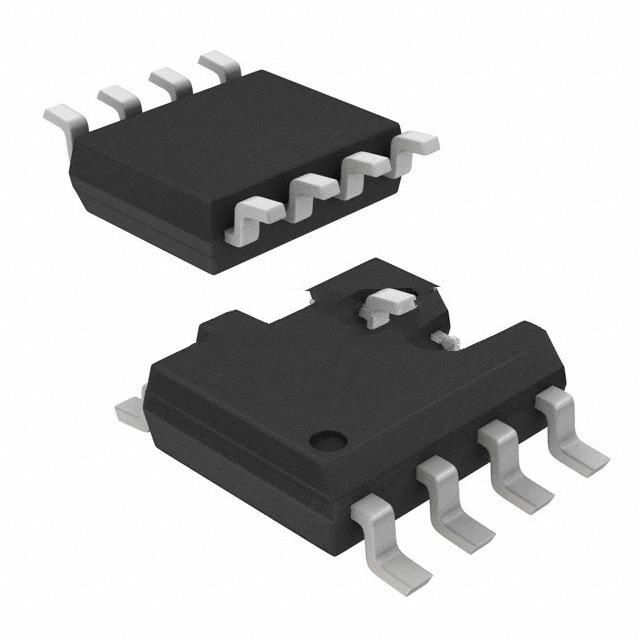
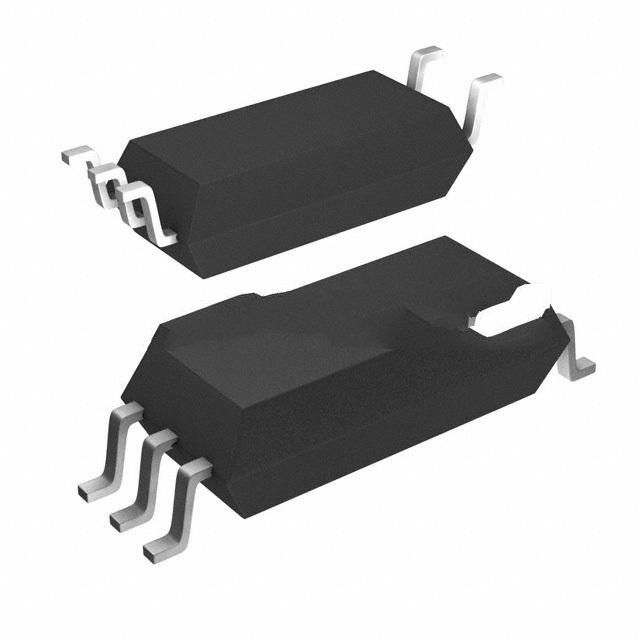
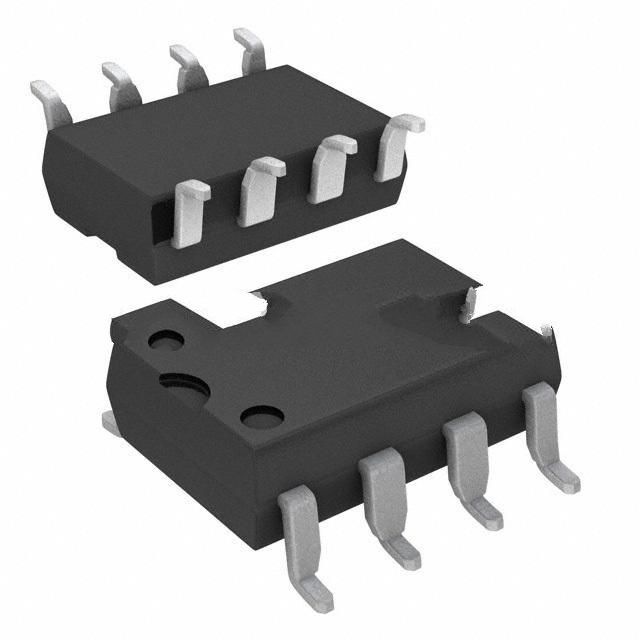
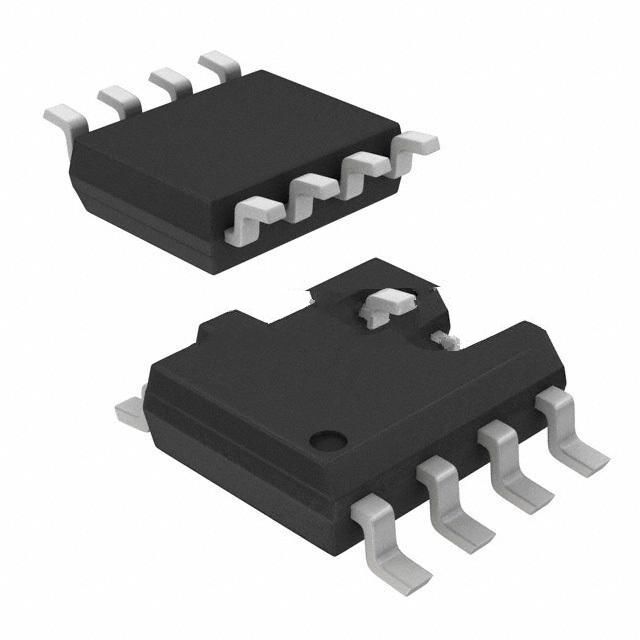
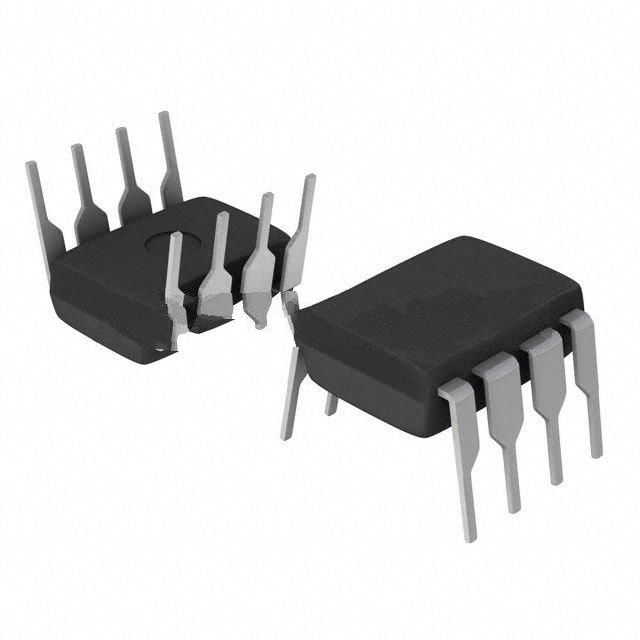
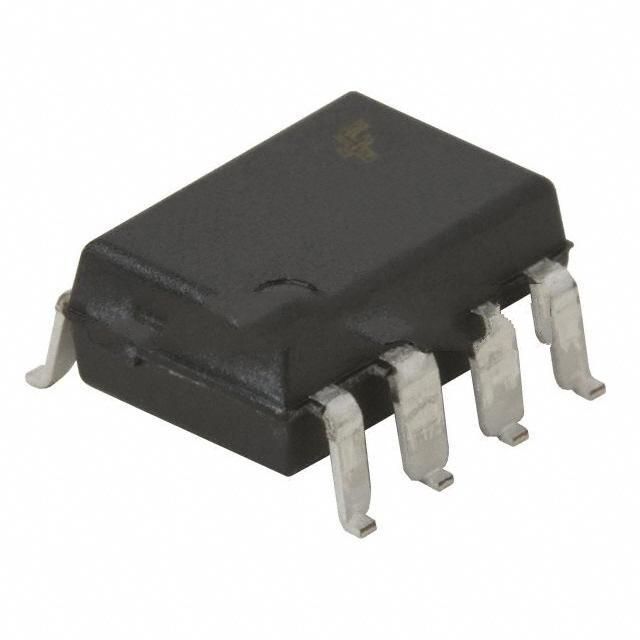
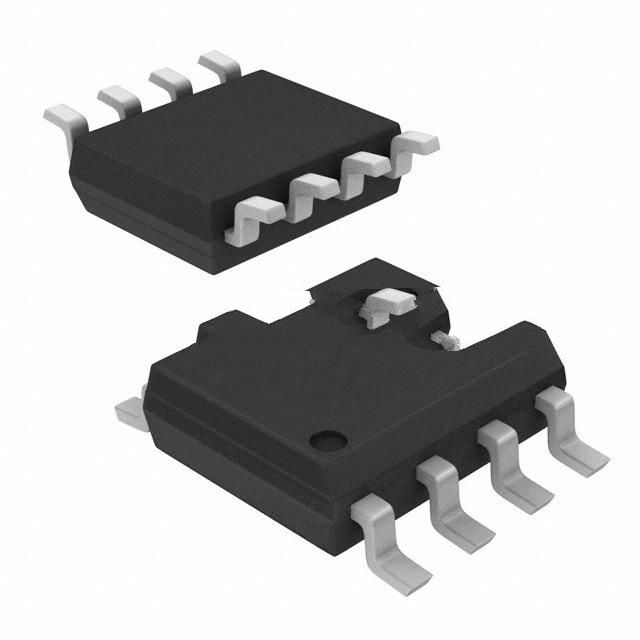
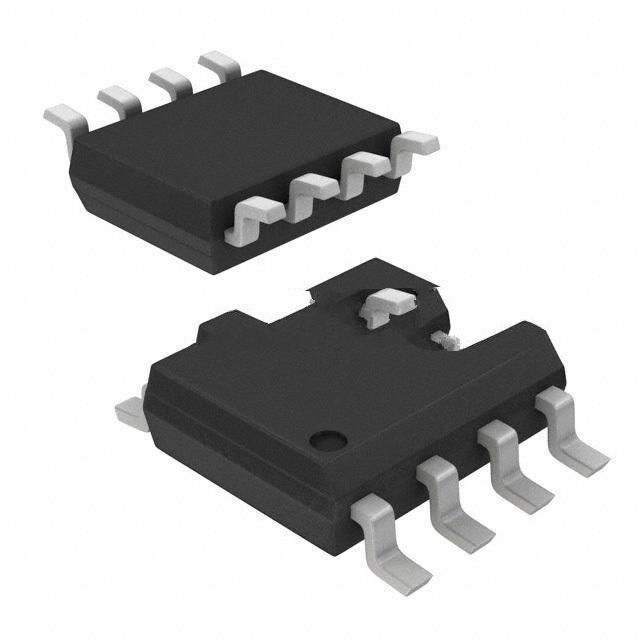
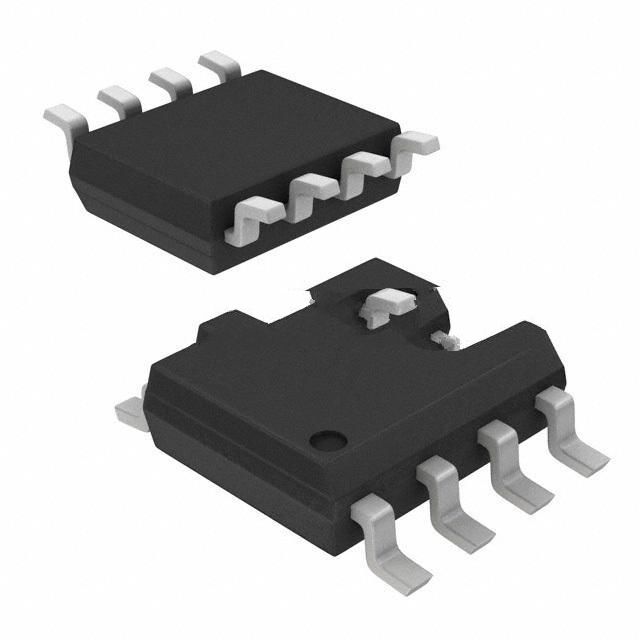
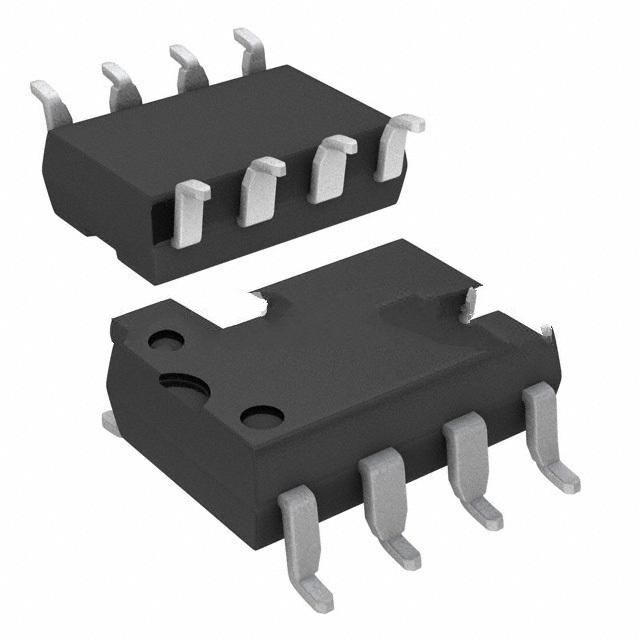
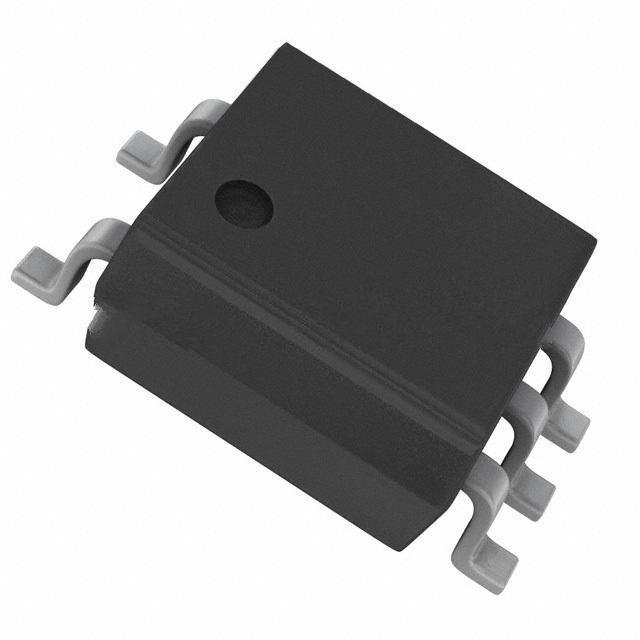
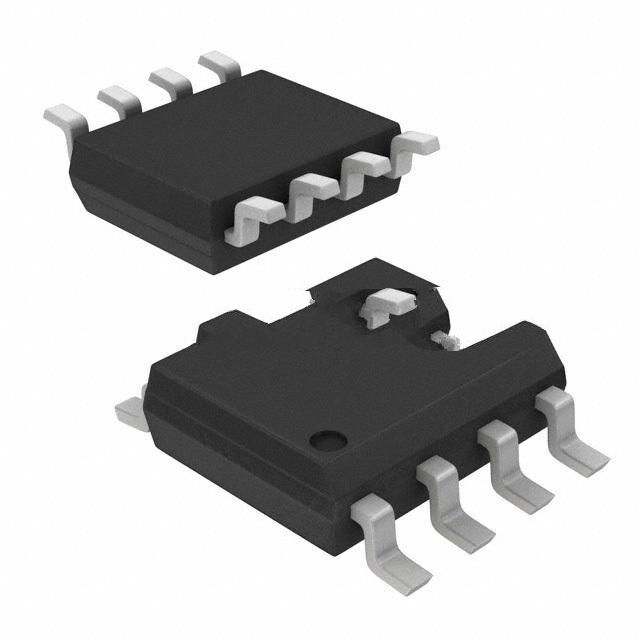
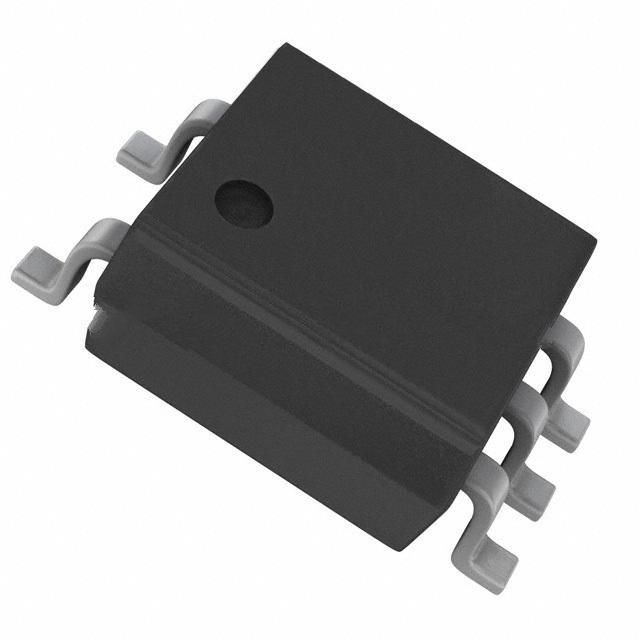
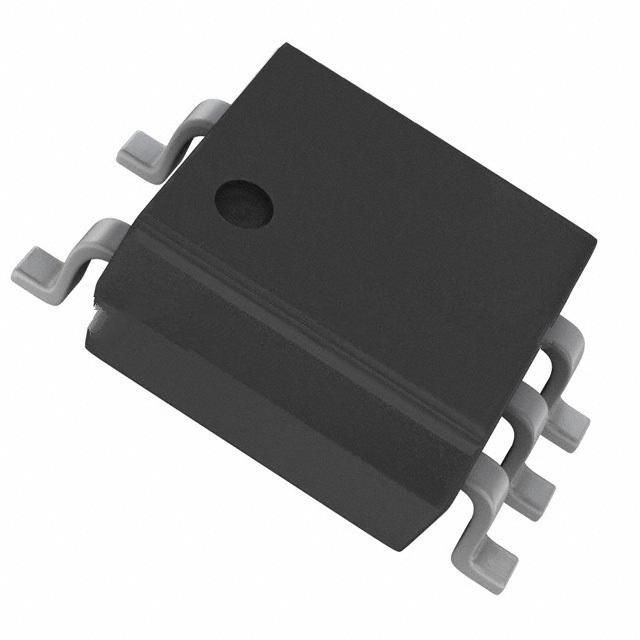
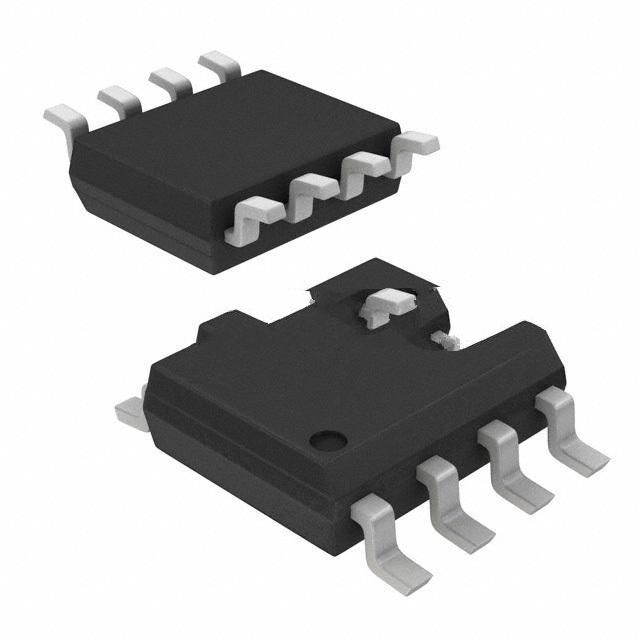
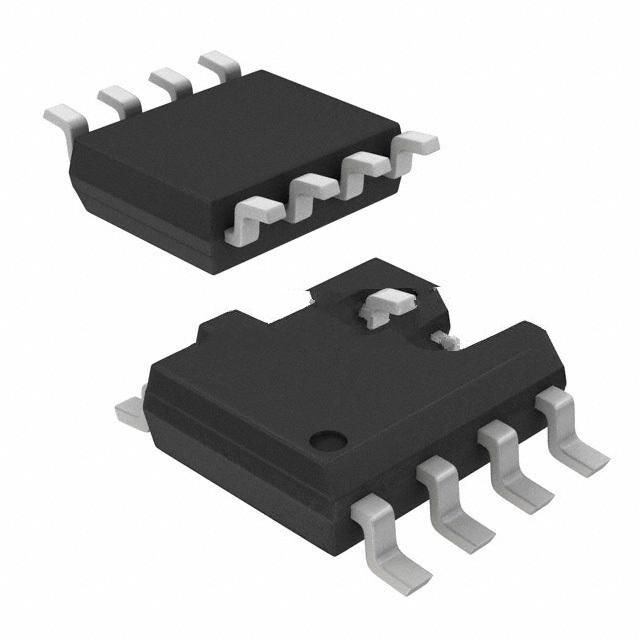
Broadcom Limited HCPL-0211-500E
- HCPL-0211-500E
- Broadcom Limited
- OPTOISO 3.75KV PUSH PULL 8SO
- Optoisolators - Logic Output
- HCPL-0211-500E Datasheet
- 8-SOIC (0.154", 3.90mm Width)
-
Lead free / RoHS Compliant - 23566
- Spot Inventory / Athorized Dstributor / Factory Excess Stock
- 1 year quality assurance 》
- Click to get rates
What is HCPL-0211-500E
Broadcom Limited Part Number HCPL-0211-500E(Optoisolators - Logic Output), developed and manufactured by Broadcom Limited, distributed globally by Jinftry. We distribute various electronic components from world-renowned brands and provide one-stop services, making us a trusted global electronic component distributor.
HCPL-0211-500E is one of the part numbers distributed by Jinftry, and you can learn about its specifications/configurations, package/case, Datasheet, and other information here. Electronic components are affected by supply and demand, and prices fluctuate frequently. If you have a demand, please do not hesitate to send us an RFQ or email us immediately [email protected] Please inquire about the real-time unit price, Data Code, Lead time, payment terms, and any other information you would like to know. We will do our best to provide you with a quotation and reply as soon as possible.
HCPL-0211-500E Specifications
- Part NumberHCPL-0211-500E
- CategoryOptoisolators - Logic Output
- ManufacturerBroadcom Limited
- DescriptionOPTOISO 3.75KV PUSH PULL 8SO
- Package8-SOIC (0.154", 3.90mm Width)
- Series-
- Voltage - Supply4.5 V ~ 20 V
- Operating Temperature-40°C ~ 85°C
- Mounting TypeSurface Mount
- Package / Case8-SOIC (0.154", 3.90mm Width)
- Supplier Device Package8-SO Tall
- Output TypePush-Pull, Totem Pole
- Number of Channels1
- Data Rate5MBd
- Input TypeDC
- Voltage - Isolation3750Vrms
- Inputs - Side 1/Side 21/0
- Common Mode Transient Immunity (Min)5kV/µs, 10kV/µs
- Propagation Delay tpLH / tpHL (Max)300ns, 300ns
- Rise / Fall Time (Typ)30ns, 7ns
- Voltage - Forward (Vf) (Typ)1.5V
- Current - DC Forward (If) (Max)10mA
- Current - Output / Channel25mA
Application of HCPL-0211-500E
HCPL-0211-500E Datasheet
HCPL-0211-500E Datasheet , 8-SOIC (0.154", 3.90mm Width),4.5 V ~ 20 V,-40°C ~ 85°C,Surface Mount,8-SOIC (0.154", 3.90mm Width),8-SO Tall,Push-Pull, Totem Pole,1,5MBd,DC,3750Vrms,1/0,5kV/µs, 10kV/µs,300ns, 300ns,30ns
HCPL-0211-500E Classification
Optoisolators - Logic Output
FAQ about Optoisolators - Logic Output
-
1. What is opto-isolation output?
Opto-isolation, also known as opto-coupling, is a technology based on the photoelectric effect for isolating and transmitting electrical signals. By using opto-isolators, the input circuit can be effectively isolated from the output circuit to prevent interference from factors such as current, noise and high voltage. This article will introduce the definition, principle, application, advantages and safety of opto-isolation in depth.
-
2. How does an optical isolator work?
The working principle of an optical isolator includes the following aspects:
Absorption and reflection: The optical isolator absorbs light of a specific wavelength and then reflects the light in a direction through multiple reflective media.
Multilayer structure: Its core is multiple layers or multiple pieces of material, each with a different refractive index, which changes the propagation path and reflection probability of light in different layers.
Spectral screening: By adjusting the refractive index of each layer of material, the absorption or emission capacity of light of different wavelengths can be controlled to achieve effective separation of light in a specific band.
Optical isolators are widely used in optical instruments (such as microscopes, projectors, telescopes, etc.), optical communications, optical detection and other fields. -
3. What is the working principle of an optocoupler?
The working principle of an optocoupler (optocoupler) is to achieve the conversion and transmission between electrical and optical signals through the photoelectric effect. The basic structure of the optocoupler includes a light-emitting diode (LED) and a photosensitive element (such as a photodiode, phototransistor, etc.), which are encapsulated in the same housing. When the electrical signal at the input end drives the LED to emit light, the emitted light is received by the photosensitive element, and the photosensitive element generates a corresponding electrical signal, thereby realizing the transmission of the electrical signal.
Detailed description of the working principle of the optocoupler
Light-emitting diode (LED): When the electrical signal at the input end drives the LED to emit light, the LED emits light.
Photosensitive element: The photosensitive element (such as a photodiode, phototransistor, etc.) receives the light emitted by the LED and converts it into an electrical signal.
Electrical signal transmission: The electrical signal generated by the photosensitive element is output through the output end to complete the transmission of the electrical signal. Since the optical signal is completely isolated electrically, this transmission method can effectively prevent interference between electrical signals and the influence of high voltage on low voltage circuits.
We are a professional PCB manufacturer who offers comprehensive PCB manufacturing services including: professional Ceramic PCB HDI PCB Heavy Copper PCB High-TG PCB High Speed PCB High Frequency PCB Metal Core PCB PCB fabrication and PCB assembly, providing fast turnaround prototypes for high-end products.
• Prompt Responsiveness
• Guaranteed Quality
• Global Access
• Competitive Market Price
• One-Stop support services of supply chain
Jinftry, Your most trustworthy component supplier, welcome to send us the inquiry, thank you!
Do you have any questions about HCPL-0211-500E ?
Feel free to contact us: