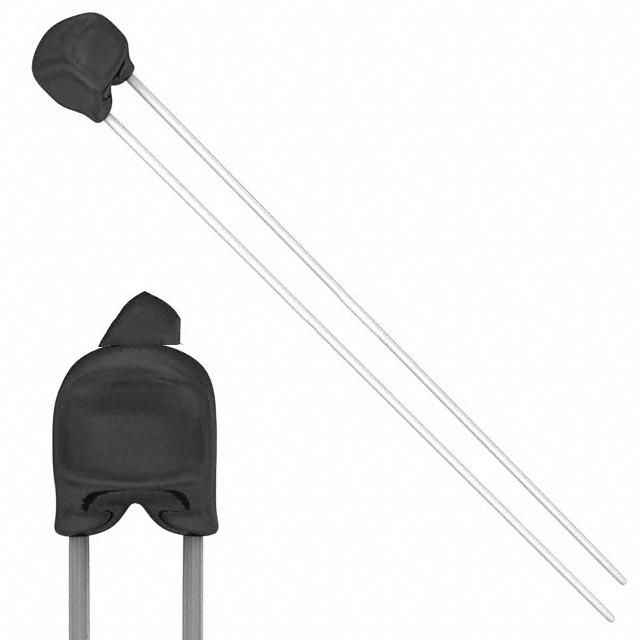
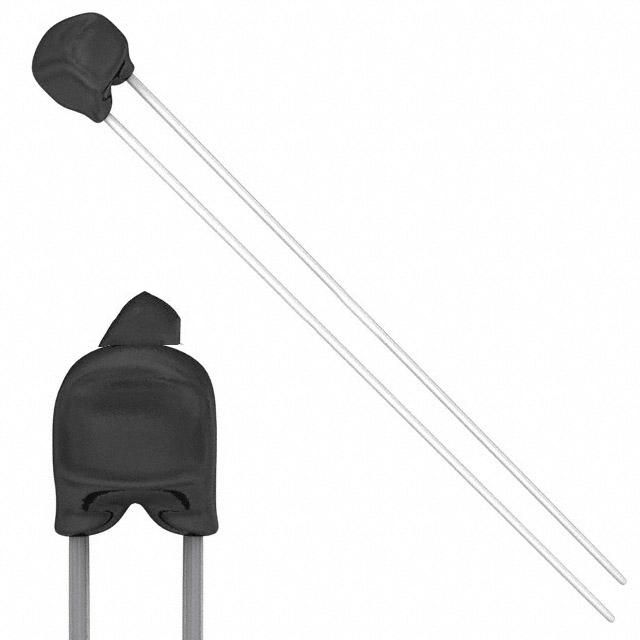
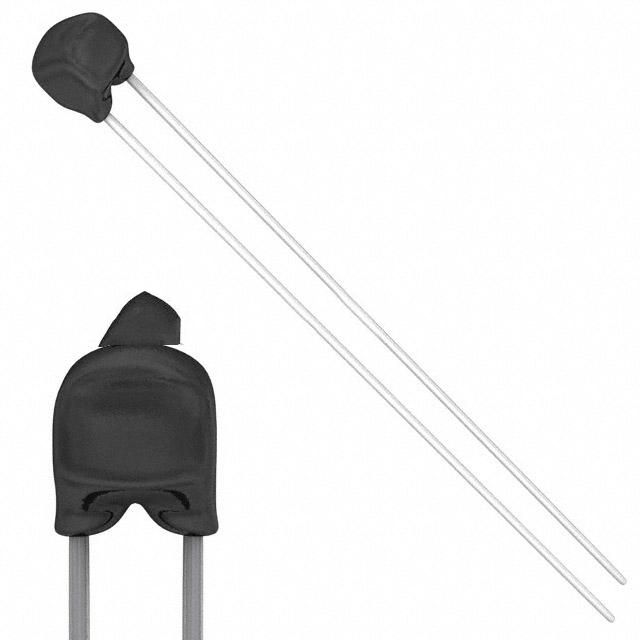
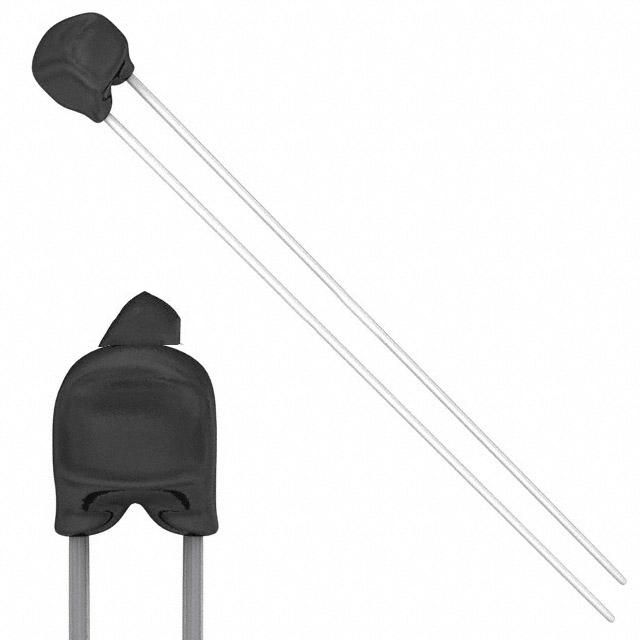
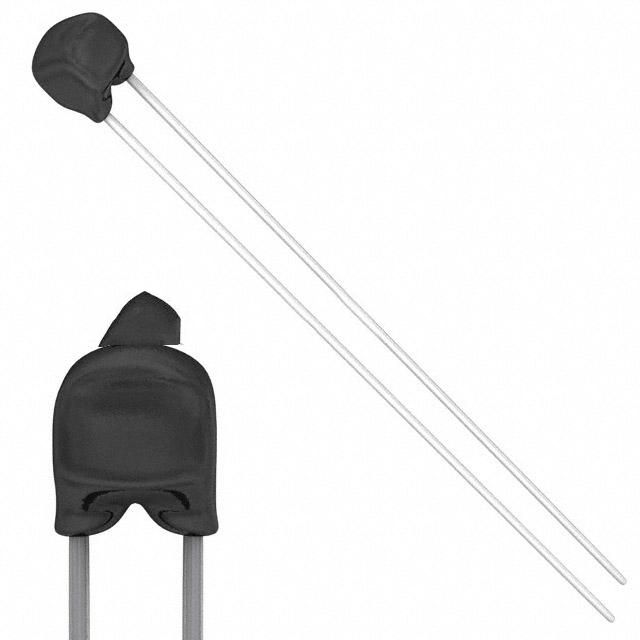
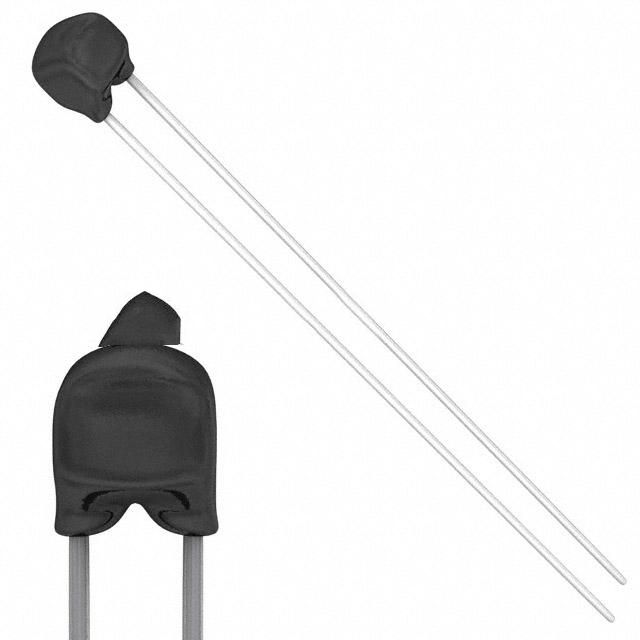
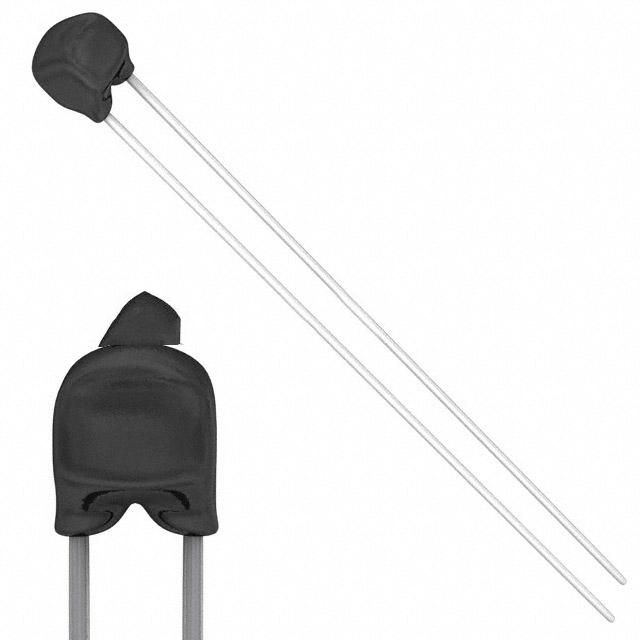
KYOCERA AVX NJ28KA0202F--
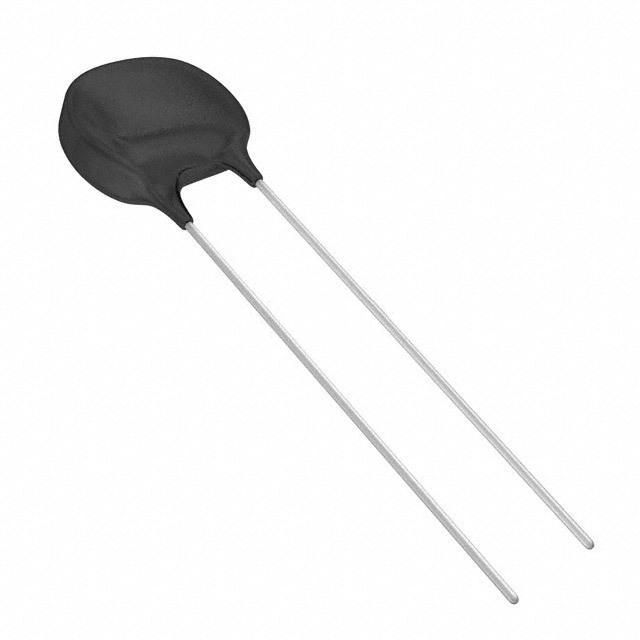
The picture is for reference only, please refer to the product specification
- NJ28KA0202F--
- KYOCERA AVX
- NTC THERMISTOR 2K OHM 1% DISC
- Temperature Sensors - NTC Thermistors
- NJ28KA0202F-- Datasheet
- Disc, 2.8mm Dia x 2.8mm W
- Disc, 2.8mm Dia x 2.8mm W
-
 Lead free / RoHS Compliant
 - 2043
- Spot Inventory / Athorized Dstributor / Factory Excess Stock
- 1 year quality assurance 》
- Click to get rates


What is NJ28KA0202F--
KYOCERA AVX Part Number NJ28KA0202F--(Temperature Sensors - NTC Thermistors), developed and manufactured by KYOCERA AVX, distributed globally by Jinftry. We distribute various electronic components from world-renowned brands and provide one-stop services, making us a trusted global electronic component distributor.
NJ28KA0202F-- is one of the part numbers distributed by Jinftry, and you can learn about its specifications/configurations, package/case, Datasheet, and other information here. Electronic components are affected by supply and demand, and prices fluctuate frequently. If you have a demand, please do not hesitate to send us an RFQ or email us immediately [email protected] Please inquire about the real-time unit price, Data Code, Lead time, payment terms, and any other information you would like to know. We will do our best to provide you with a quotation and reply as soon as possible.
NJ28KA0202F-- Specifications
- Part NumberNJ28KA0202F--
- CategoryTemperature Sensors - NTC Thermistors
- ManufacturerKYOCERA AVX
- DescriptionNTC THERMISTOR 2K OHM 1% DISC
- PackageDisc, 2.8mm Dia x 2.8mm W
- SeriesNJ28
- Operating Temperature-55°C ~ 150°C
- Mounting TypeThrough Hole
- Package / CaseDisc, 2.8mm Dia x 2.8mm W
- Power - Max16mW
- Resistance Tolerance±1%
- Resistance in Ohms @ 25°C2k
- B Value Tolerance±1%
- B25/853625K
- Length - Lead Wire1.38" (35.00mm)
Application of NJ28KA0202F--
NJ28KA0202F-- Datasheet
NJ28KA0202F-- Datasheet , Disc, 2.8mm Dia x 2.8mm W,NJ28,-55°C ~ 150°C,Through Hole,Disc, 2.8mm Dia x 2.8mm W,16mW,±1%,2k,±1%,3625K,1.38" (35.00mm)
NJ28KA0202F-- Classification
Temperature Sensors - NTC Thermistors
FAQ about Temperature Sensors - NTC Thermistors
-
1. What are NTC and PTC temperature sensors?
Both NTC and PTC temperature sensors are thermistors, and their main differences lie in the temperature coefficient and the change characteristics of resistance value with temperature.
Working principle and materials
NTC temperature sensor: Based on the temperature characteristics of semiconductor materials, its core material is usually one or more layers of ceramic materials, with the main components being metal oxides such as manganese, cobalt, nickel and copper. When the temperature increases, the electronic activity inside the conductive material increases, causing the resistance value to decrease, showing a negative temperature coefficient characteristic.
PTC temperature sensor: It is a thermistor whose core is a polymer material (such as polymer ceramic). When an electric current passes through it, the material generates heat, which increases the resistance. When the current decreases, the resistance value decreases. Therefore, by measuring the change in resistance value, the change in temperature can be calculated, showing a positive temperature coefficient characteristic. -
2. What is the difference between NTC thermistor and thermistor?
There are significant differences between thermistors and temperature sensors in terms of technical principles, performance characteristics, and application scenarios.
Technical principles
Thermistor: The thermistor is a special type of resistor whose resistance changes with temperature. According to the characteristics of resistance value changing with temperature, thermistors can be divided into two types: positive temperature coefficient (PTC) and negative temperature coefficient (NTC). The resistance value of PTC thermistor increases as the temperature increases, while the resistance value of NTC thermistor decreases as the temperature increases.
Temperature sensor: A temperature sensor is usually an active semiconductor device that outputs a voltage or current value proportional to temperature. This type of sensor usually works based on the principle of thermoelectric effect, resistive effect or thermal induction, and has built-in signal conditioning circuit and temperature compensation function, which can provide accurate and linear temperature measurement over a wide temperature range. -
3. Which is more accurate, RTD or thermistor?
Thermistor: Thermistor has higher accuracy and is usually more accurate than RTD. Its temperature coefficient is more than 10 to 100 times larger than that of metal, and it can detect temperature changes of 10^-6℃1. However, the thermistor's accuracy is limited by its operating temperature range, which is typically a maximum of 100 or 200°C.
RTD: RTD has relatively low accuracy, but its temperature measurement range is wider and it can measure over a wider temperature range. RTD has high accuracy and stability and is suitable for use in applications requiring high reliability and stability.
We are a professional PCB manufacturer who offers comprehensive PCB manufacturing services including: professional Ceramic PCB HDI PCB Heavy Copper PCB High-TG PCB High Speed PCB High Frequency PCB Metal Core PCB PCB fabrication and PCB assembly, providing fast turnaround prototypes for high-end products.



• Prompt Responsiveness
• Guaranteed Quality
• Global Access
• Competitive Market Price
• One-Stop support services of supply chain
Jinftry, Your most trustworthy component supplier, welcome to send us the inquiry, thank you!
Do you have any questions about NJ28KA0202F-- ?
Feel free to contact us:
NJ28KA0202F-- Related Products



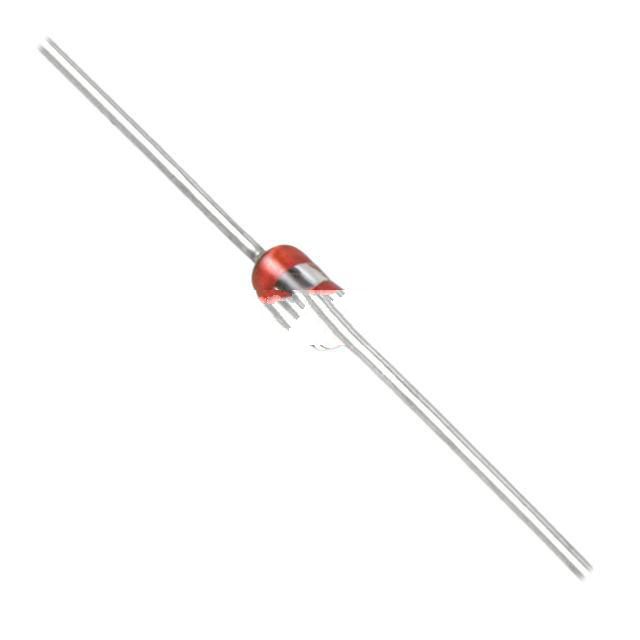
NTC THERMISTOR 5K OHM 10% DO35
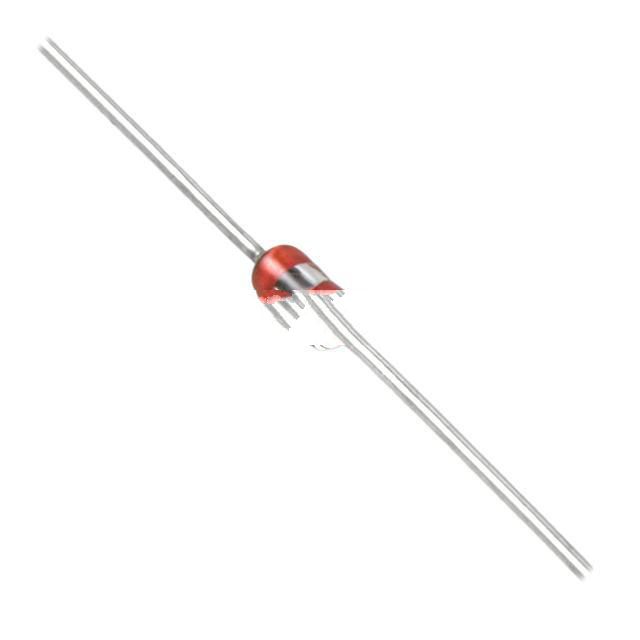
NTC THERMISTOR 40K OHM 3% DO35
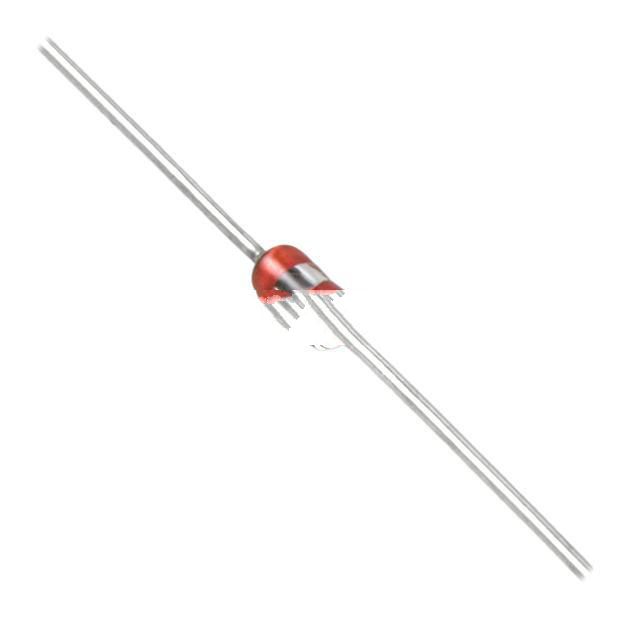
NTC THERMISTOR 10K OHM 5% DO35