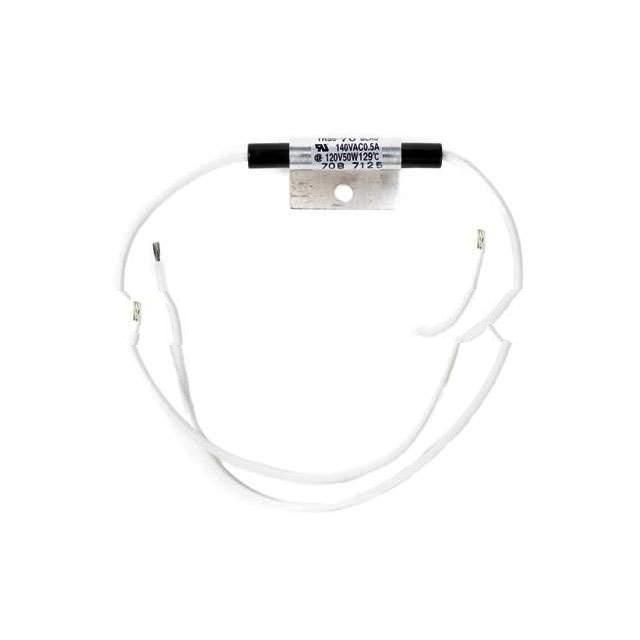
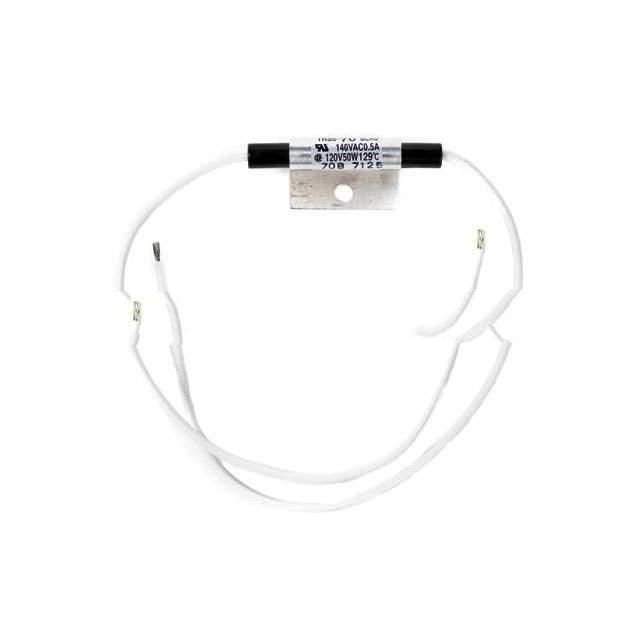
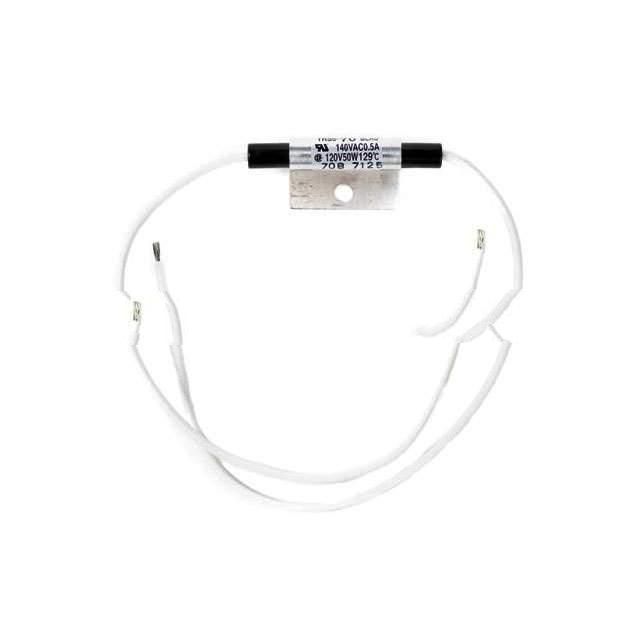
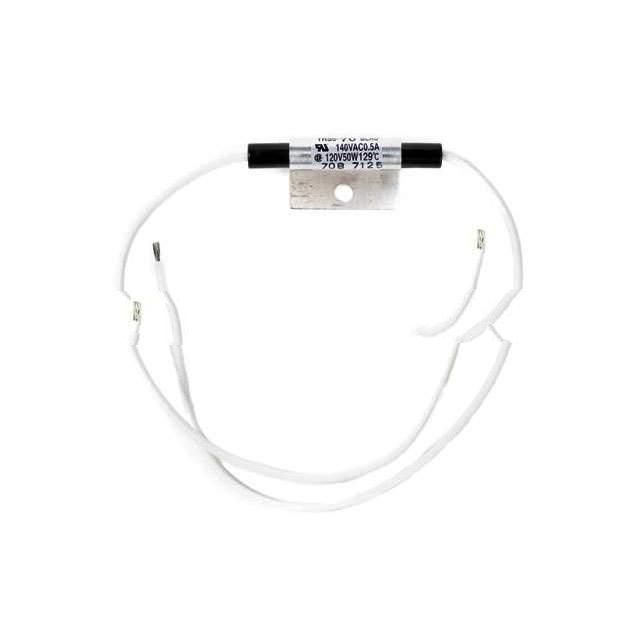
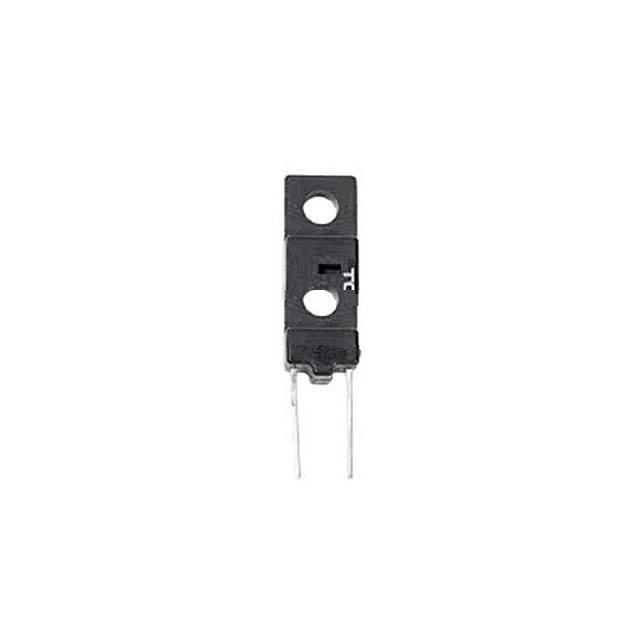
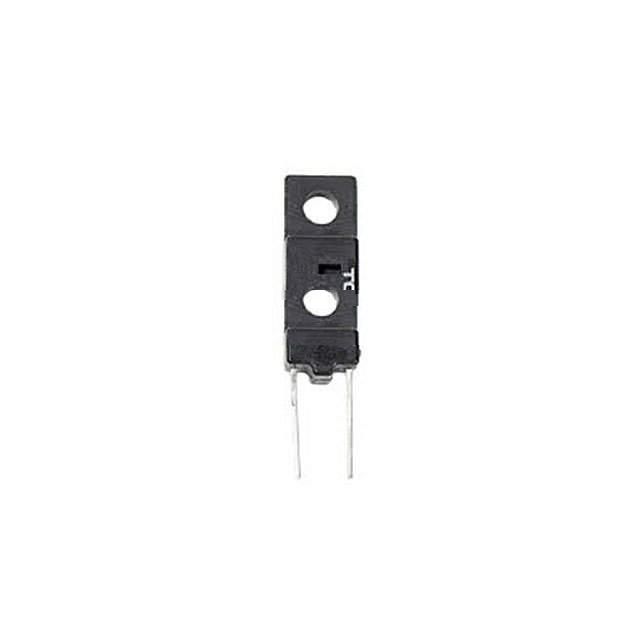
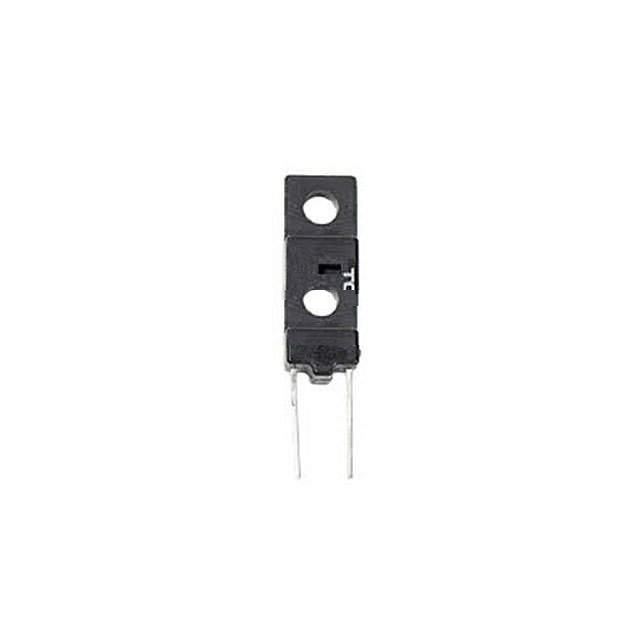
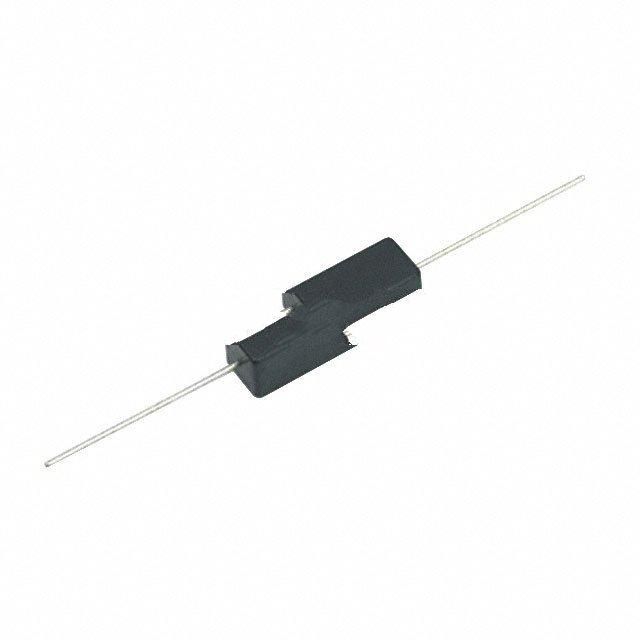
KEMET OHD3-105B

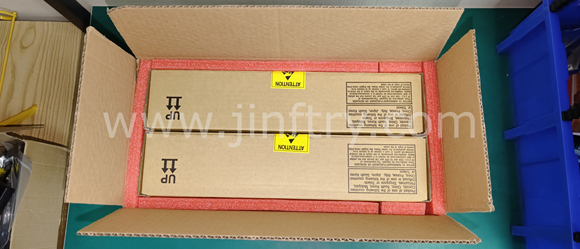
The picture is for reference only, please refer to the product specification
- OHD3-105B
- KEMET
- SENSTHERMOHD3 105C 6W BREAK
- Temperature Sensors - Thermostats - Mechanical
- OHD3-105B Datasheet
- Module
- Module
-
 Lead free / RoHS Compliant
 - 29900
- Spot Inventory / Athorized Dstributor / Factory Excess Stock
- 1 year quality assurance 》
- Click to get rates


What is OHD3-105B
KEMET Part Number OHD3-105B(Temperature Sensors - Thermostats - Mechanical), developed and manufactured by KEMET, distributed globally by Jinftry. We distribute various electronic components from world-renowned brands and provide one-stop services, making us a trusted global electronic component distributor.
OHD3-105B is one of the part numbers distributed by Jinftry, and you can learn about its specifications/configurations, package/case, Datasheet, and other information here. Electronic components are affected by supply and demand, and prices fluctuate frequently. If you have a demand, please do not hesitate to send us an RFQ or email us immediately [email protected] Please inquire about the real-time unit price, Data Code, Lead time, payment terms, and any other information you would like to know. We will do our best to provide you with a quotation and reply as soon as possible.
OHD3-105B Specifications
- Part NumberOHD3-105B
- CategoryTemperature Sensors - Thermostats - Mechanical
- ManufacturerKEMET
- DescriptionSENSTHERMOHD3 105C 6W BREAK
- PackageModule
- SeriesOHD?
- Mounting TypeChassis Mount
- Package / CaseModule
- CircuitSPST-NC
- Termination StyleSolder Lug
- Switching Temperature221°F (105°C)
- Current Rating - DC0.3A (100V)
- Current Rating - AC0.3A (100V)
Application of OHD3-105B
OHD3-105B Datasheet
OHD3-105B Datasheet , Module,OHD?,Chassis Mount,Module,SPST-NC,Solder Lug,221°F (105°C),0.3A (100V),0.3A (100V)
OHD3-105B Classification
Temperature Sensors - Thermostats - Mechanical
FAQ about Temperature Sensors - Thermostats - Mechanical
-
1. Which temperature sensor is the most accurate?
Platinum resistance temperature sensor is one of the most accurate temperature sensors. Platinum resistance temperature sensor has high accuracy and stability, and is usually used for high-precision temperature measurement. Its measurement range is wide, from -200℃ to +850℃ can be accurately measured.
In addition, integrated temperature sensors also have high accuracy and stability, suitable for occasions requiring high-precision measurement. However, the integrated temperature sensor has a narrow range, is more troublesome to calibrate, has a large error, and is expensive.
When choosing a temperature sensor, in addition to considering accuracy, it is also necessary to choose according to specific application scenarios, measurement range, response time and other factors.
-
2. What is the difference between thermostat and temperature sensor?
Thermostats and temperature sensors are significantly different in function and use.
Definition and function of thermostat
A thermostat is a temperature sensing device used to automatically open or close a circuit to keep the controlled component within a certain temperature range. It measures temperature changes through sensitive elements and controls heat and cold sources through converters to maintain the desired temperature. Thermostats usually have fixed or adjustable action temperatures and can directly or indirectly control one or more heat and cold sources.
Definition and function of temperature sensor
A temperature sensor is a device that measures the degree of hotness or coldness of an object and provides temperature measurement through electrical signals. Common types include thermocouples and resistance temperature detectors. Temperature sensors are divided into contact and non-contact types:
Contact temperature sensor: requires physical contact with the object being measured and monitors temperature changes through conduction. Suitable for detecting solids, liquids or gases.
Non-contact temperature sensors: use convection and radiation to monitor temperature changes and are suitable for detecting liquids and gases. These sensors can detect radiant energy transmitted from an object in the form of infrared radiation.
-
3. How does a thermostat sensor work?
The working principle of a thermostat sensor is to detect the ambient temperature and adjust the temperature accordingly to keep it constant. Thermostat sensors usually consist of two main parts: temperature detection circuit and temperature compensation for the detection circuit.
Working principle
Temperature detection: The core component inside the thermostat sensor is a resistor, whose resistance changes with the change of the measured ambient temperature. When the ambient temperature rises, the resistance of the resistor changes, and this change can be converted into an electrical signal through the circuit.
Signal processing: After the changing resistance value is processed by the circuit, a voltage signal related to temperature can be generated. This signal is amplified and processed, and finally outputs a current signal to control the temperature adjustment of the thermostat.
Types
There are two main types of thermostat sensors:
Thermal resistors: Thermistors are usually used to achieve temperature detection, and their resistance changes with temperature.
Thermocouples: They are composed of two metal wires of different materials, and obtain temperature information by measuring the potential difference between the two metals.
We are a professional PCB manufacturer who offers comprehensive PCB manufacturing services including: professional Ceramic PCB HDI PCB Heavy Copper PCB High-TG PCB High Speed PCB High Frequency PCB Metal Core PCB PCB fabrication and PCB assembly, providing fast turnaround prototypes for high-end products.




• Prompt Responsiveness
• Guaranteed Quality
• Global Access
• Competitive Market Price
• One-Stop support services of supply chain
Jinftry, Your most trustworthy component supplier, welcome to send us the inquiry, thank you!
Do you have any questions about OHD3-105B ?
Feel free to contact us:
OHD3-105B Related Products


THERMOSTAT 3100 SER HERMETIC UL

HERMETIC THERMOSTAT

HERMETIC THERMOSTAT

NON-HERMETIC THERMOSTAT

HERMETIC THERMOSTAT