Texas Instruments TLV320AIC21IPFBR
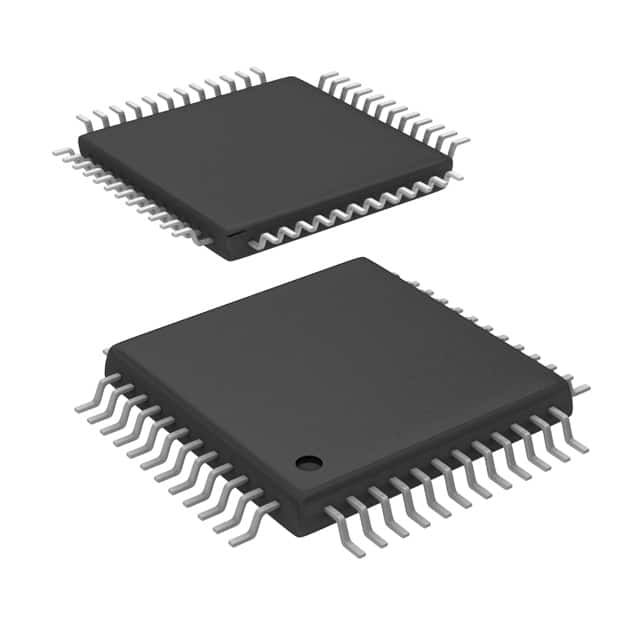
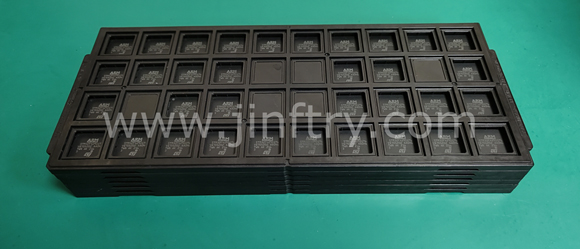
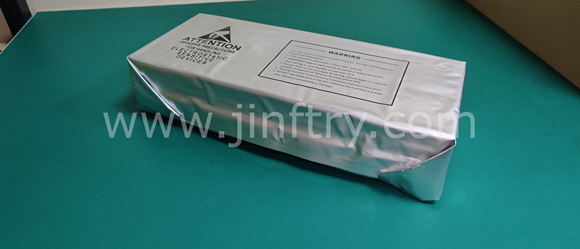
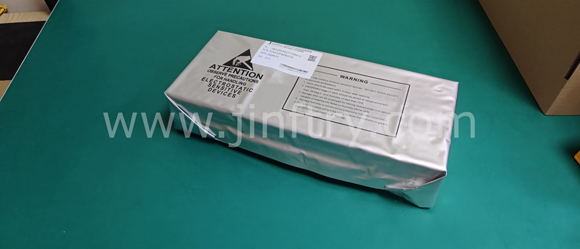
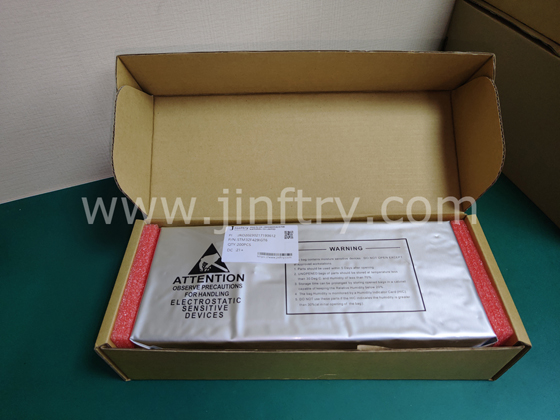
The picture is for reference only, please refer to the product specification
- TLV320AIC21IPFBR
- Texas Instruments
- IC CODEC DUAL-CH PROG LP 48-TQFP
- Interface - CODECs
- TLV320AIC21IPFBR Datasheet
- 48-TQFP
- Bulk
-
 Lead free / RoHS Compliant
 - 1801
- Spot Inventory / Athorized Dstributor / Factory Excess Stock
- 1 year quality assurance 》
- Click to get rates


What is TLV320AIC21IPFBR
Texas Instruments Part Number TLV320AIC21IPFBR(Interface - CODECs), developed and manufactured by Texas Instruments, distributed globally by Jinftry. We distribute various electronic components from world-renowned brands and provide one-stop services, making us a trusted global electronic component distributor.
TLV320AIC21IPFBR is one of the part numbers distributed by Jinftry, and you can learn about its specifications/configurations, package/case, Datasheet, and other information here. Electronic components are affected by supply and demand, and prices fluctuate frequently. If you have a demand, please do not hesitate to send us an RFQ or email us immediately [email protected] Please inquire about the real-time unit price, Data Code, Lead time, payment terms, and any other information you would like to know. We will do our best to provide you with a quotation and reply as soon as possible.
TLV320AIC21IPFBR Specifications
- Part NumberTLV320AIC21IPFBR
- CategoryInterface - CODECs
- ManufacturerTexas Instruments
- DescriptionIC CODEC DUAL-CH PROG LP 48-TQFP
- PackageBulk
- Series-
- TypeVoice-Band
- Operating Temperature-40°C ~ 85°C
- Mounting TypeSurface Mount
- Package / Case48-TQFP
- Supplier Device Package48-TQFP (7x7)
- Resolution (Bits)16 b
- Data InterfaceSerial
- Voltage - Supply, Analog2.7V ~ 3.6V
- Voltage - Supply, Digital1.65V ~ 1.95V
- Number of ADCs / DACs2 / 2
- Sigma DeltaYes
- S/N Ratio, ADCs / DACs (db) Typ84 / 92
- Dynamic Range, ADCs / DACs (db) Typ87 / 92
Application of TLV320AIC21IPFBR
TLV320AIC21IPFBR Datasheet
TLV320AIC21IPFBR Datasheet , Bulk,Voice-Band,-40°C ~ 85°C,Surface Mount,48-TQFP,48-TQFP (7x7),16 b,Serial,2.7V ~ 3.6V,1.65V ~ 1.95V,2 / 2,Yes,84 / 92,87 / 92
TLV320AIC21IPFBR Classification
Interface - CODECs
FAQ about Interface - CODECs
-
1. How many codecs are there?
There are many types of codecs, and it is difficult to count their exact number. Codecs are mainly divided into the following categories:
Video codecs: such as H.264, H.265 (HEVC), VP8, VP9, AV1, etc., used for compression and decompression of video data.
Audio codec: such as MP3, AAC, Opus, FLAC, etc., used for compression and decompression of audio data.
Image codecs: such as JPEG, PNG, WebP, etc., used for compression and decompression of static images.
In addition, there are some codecs designed for specific application scenarios, such as ProRes, DNxHD, etc. -
2. Why are codecs important?
Codecs are important because they play a key role in data compression, transmission efficiency, and user experience.
The basic concepts and functions of codecs
Codec is a compound word of "encoder" and "decoder", which is responsible for compressing and decompressing video and audio signals. During data transmission, the encoder compresses the original data into a format suitable for transmission, while the decoder restores the compressed data to the original data. The codec reduces the size of data through algorithms, thereby reducing the bandwidth required for transmission while ensuring data clarity and transmission efficiency.
Application of Codecs in Live Video and Video Conferencing
In high-definition video live broadcast, the codec uses compression algorithms to reduce the bandwidth requirements of the video stream, ensuring video quality while reducing transmission delays. Different codecs, such as H.264, H.265, and VP9, have their own advantages and disadvantages. Choosing the right codec is crucial to the user experience of the live broadcast platform.
In video conferencing, the codec ensures clear transmission of audio and video, reduces network bandwidth usage, and ensures the quality of audio and video. Modern codecs use technologies such as adaptive bit rate streaming (ABR) to adapt to network changes and ensure smooth calls
Technical Challenges and Recent Advances in Codecs
Codecs face challenges such as bandwidth fluctuation, delay, and packet loss in practical applications. To address these challenges, modern codecs use advanced technologies such as H.265's dynamic adjustment of video resolution and bit rate, as well as noise suppression and echo cancellation techniques. In addition, new codecs such as LHDC (Low-Latency Hi-Definition Audio Codec) provide higher sound quality and lower latency, suitable for wireless audio transmission. -
3. What are audio codecs used for?
Audio codecs play a vital role in audio transmission and processing. Their main functions include compressing and encoding audio data for efficient transmission and storage with minimal loss of sound quality.
Basic functions of audio codec
Compression and decompression: Codecs compress audio data into smaller file sizes for easier storage and transmission. The receiving end then decompresses the compressed data and restores the original audio quality.
Encoding and decoding: The codec converts the analog audio signal into a digital signal (encoding), and then converts the digital signal back into an analog signal (decoding) at the receiving end so that the playback device can process and output the sound.
Performance differences between different codecs and their impact on sound quality
SB: The most basic codec, supports 16-bit/44KHz audio, and has a maximum bit rate of 328kbps. Although it has a high penetration rate, the sound quality is relatively average.
AAC: A codec developed by Apple that supports higher bit rates and better sound quality and is commonly used in devices such as iPhones and iPads.
AptX: A codec developed by Qualcomm that supports high-fidelity audio transmission and is suitable for devices that require high-quality audio.
LDAC: A codec developed by Sony that supports transfer rates up to 990kbps, provides near lossless sound quality, and is commonly used in Sony devices.
LHDC: A high-performance codec that supports 24-bit/192KHz high-definition audio transmission with a maximum bit rate of 1Mbps, providing an excellent sound quality experience.
We are a professional PCB manufacturer who offers comprehensive PCB manufacturing services including: professional Ceramic PCB HDI PCB Heavy Copper PCB High-TG PCB High Speed PCB High Frequency PCB Metal Core PCB PCB fabrication and PCB assembly, providing fast turnaround prototypes for high-end products.



• Prompt Responsiveness
• Guaranteed Quality
• Global Access
• Competitive Market Price
• One-Stop support services of supply chain
Jinftry, Your most trustworthy component supplier, welcome to send us the inquiry, thank you!
Do you have any questions about TLV320AIC21IPFBR ?
Feel free to contact us:
TLV320AIC21IPFBR Related Products
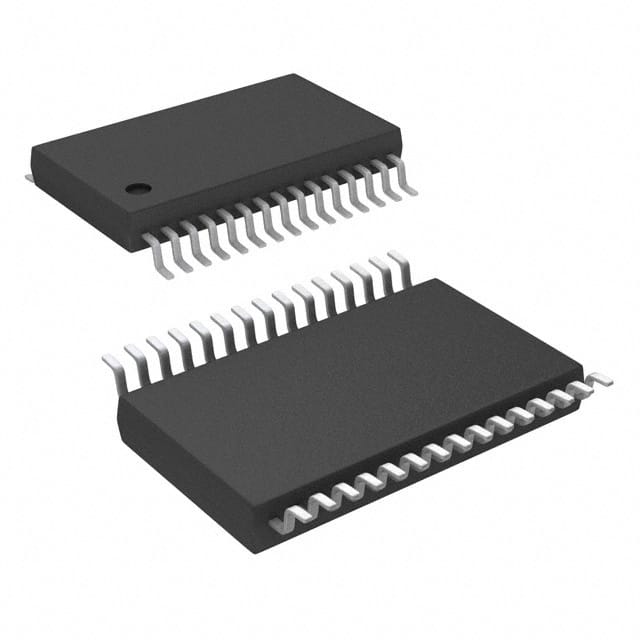
IC CODEC 1CH 16 BIT 3.3V 30TSSOP
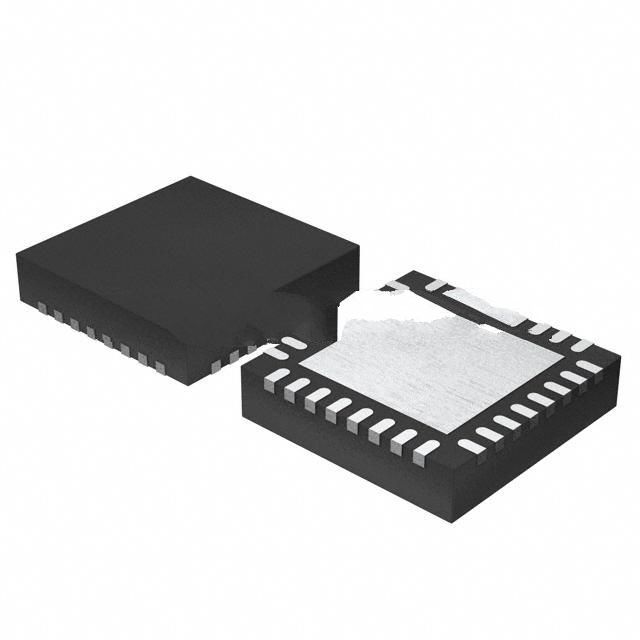
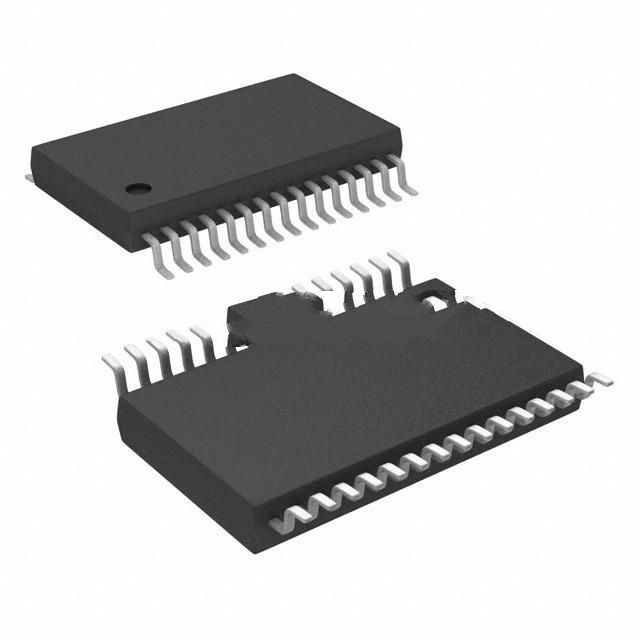
IC CODEC 16BIT 26KSPS 30-TSSOP
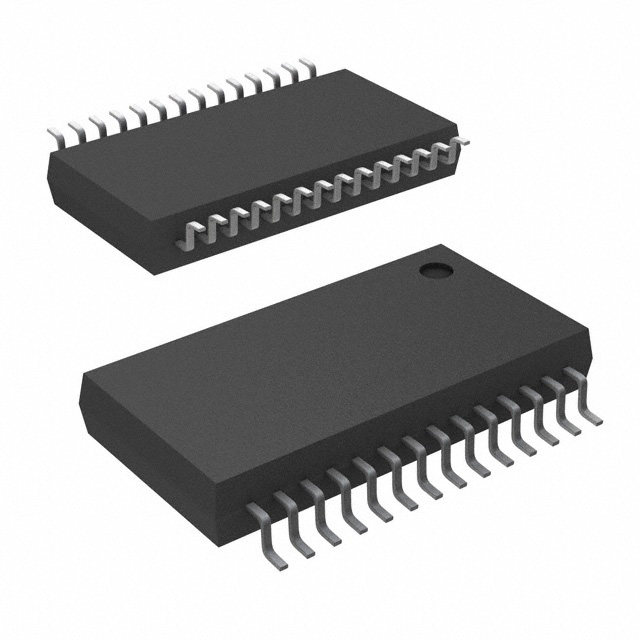
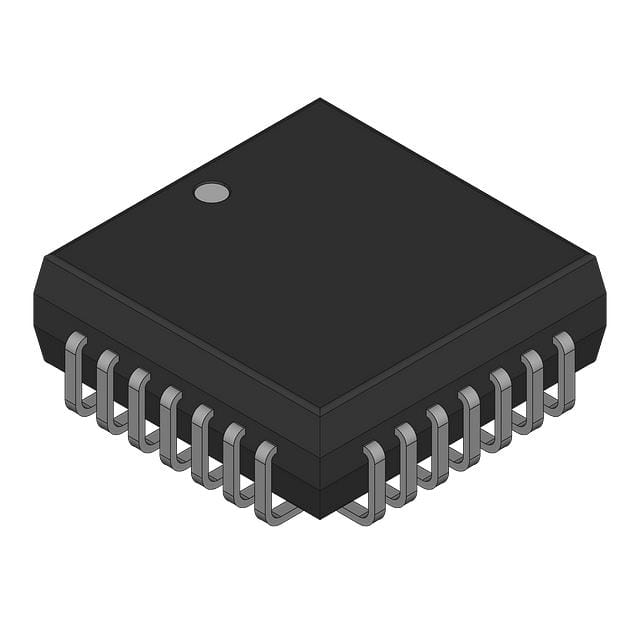
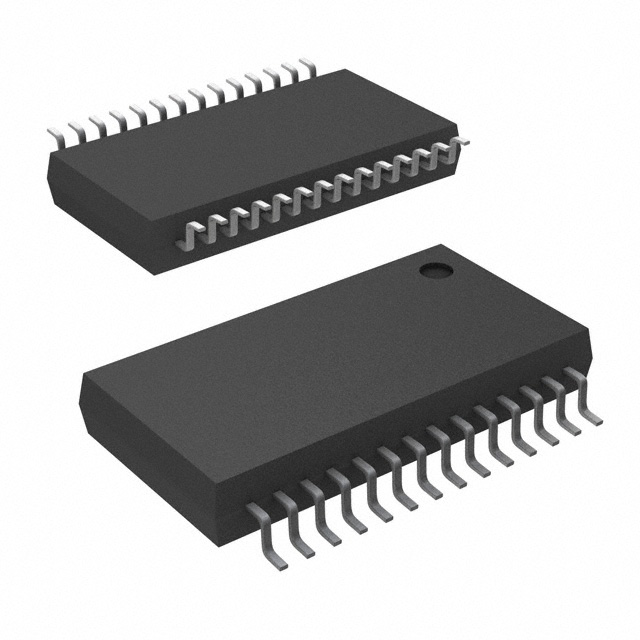
IC CODEC 1CH 16 BIT 3.3V 30TSSOP

IC CODEC 1CH 16 BIT 3.3V 30TSSOP