
APH-NJ-FP vs APH-SMAJ-SMBP
| Part Number |
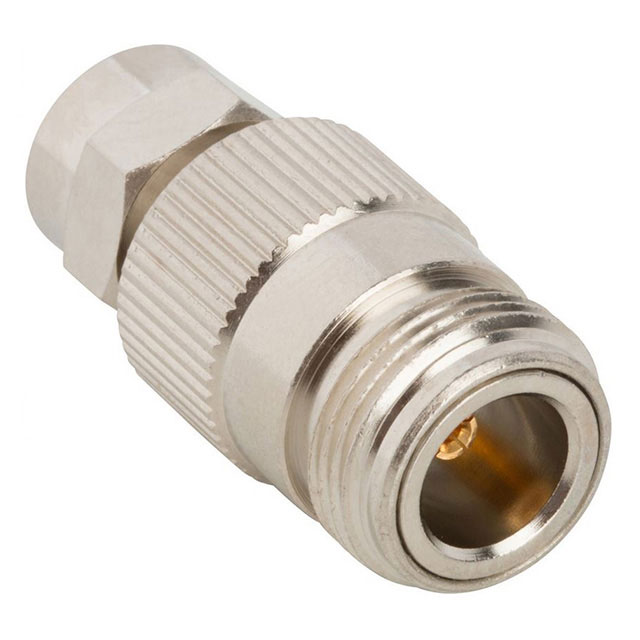
|
|
| Category | Coaxial Connectors (RF) - Adapters | Coaxial Connectors (RF) - Adapters |
| Manufacturer | Amphenol RF | Amphenol RF |
| Description | CONN ADAPT N JACK TO F PLUG | CONN ADAPT SMA JACK TO SMB PLUG |
| Package | - | - |
| Series | - | - |
| Mounting Type | Free Hanging (In-Line) | Free Hanging (In-Line) |
| Impedance | 50 Ohm | 50 Ohm |
| Ingress Protection | Waterproof | - |
| Style | Straight | Straight |
| Convert From (Adapter End) | N Jack, Female Socket | SMA Jack, Female Socket |
| Convert To (Adapter End) | F Plug, Male Pin | SMB Plug, Female Socket |
| Conversion Type | Between Series | Between Series |
| Adapter Type | Plug to Jack | Plug to Jack |
| Fastening Type | Threaded, Threaded | Snap-On, Threaded |
| Adapter Series | N to F | SMA to SMB |
| Center Gender | Female to Male | Female to Male |
| Center Contact Plating | Gold | Gold |
| Frequency - Max | - | 4GHz |
-
1. What materials are RF adapters typically made of?
RF adapters are commonly made from brass, stainless steel, or beryllium copper with plating options like nickel, gold, or silver for enhanced conductivity and corrosion resistance.
-
2. What frequencies can coaxial RF adapters handle?
Depending on the design and quality, RF adapters can operate across a wide frequency range, typically from DC to 18 GHz, with some high-performance adapters reaching up to 40 GHz or more.
-
3. How do I choose the right RF adapter for my application?
Consider factors such as frequency range, connector types, impedance (50Ω or 75Ω), power handling capability, and mechanical durability based on your specific use case.
-
4. Can RF adapters affect signal performance?
Yes, poor-quality or mismatched adapters can introduce signal loss, reflections, or impedance mismatches, potentially degrading the overall performance of the RF system.
