
C0402C393K8PAC7867 vs GRM188R61A184KA01D
| Part Number |
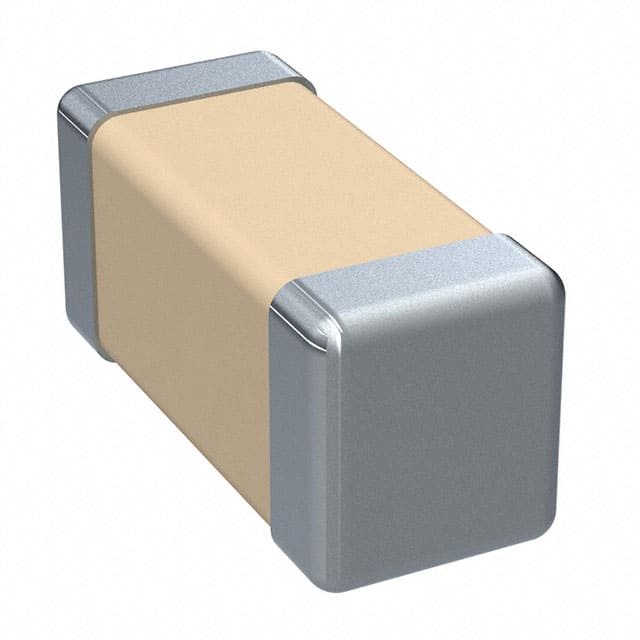
|
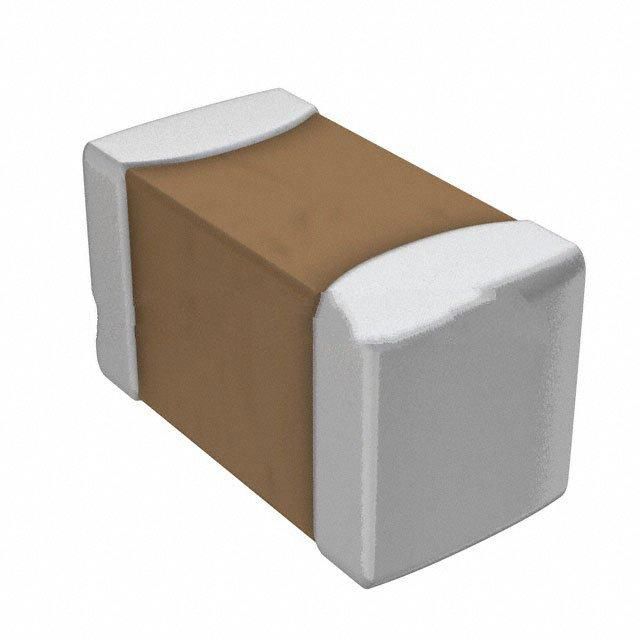
|
| Category | Ceramic Capacitors | Ceramic Capacitors |
| Manufacturer | KEMET | Murata Electronics |
| Description | CAP CER 0.039UF 10V X5R 0402 | CAP CER 0.18UF 10V X5R 0603 |
| Package | Tape & Reel (TR) | 0603 (1608 Metric) |
| Series | SMD Comm X5R | GRM |
| Features | - | - |
| Operating Temperature | -55°C ~ 85°C | -55°C ~ 85°C |
| Mounting Type | Surface Mount, MLCC | Surface Mount, MLCC |
| Package / Case | 0402 (1005 Metric) | 0603 (1608 Metric) |
| Applications | General Purpose | General Purpose |
| Tolerance | ±10% | ±10% |
| Temperature Coefficient | X5R | X5R |
| Size / Dimension | 0.039" L x 0.020" W (1.00mm x 0.50mm) | 0.063" L x 0.032" W (1.60mm x 0.80mm) |
| Voltage - Rated | 10V | 10V |
| Lead Spacing | - | - |
| Thickness (Max) | 0.022\" (0.55mm) | 0.035" (0.90mm) |
| Ratings | - | - |
| Height - Seated (Max) | - | - |
| Capacitance | 0.039 µF | 0.18µF |
| Lead Style | - | - |
| Failure Rate | - | - |
-
1. What is the difference between ceramic capacitors and electrolytic capacitors?
Polarity: Ceramic capacitors are non-polar, while electrolytic capacitors are polar.
Capacity range: Electrolytic capacitors generally offer larger capacitance values.
Stability: Ceramic capacitors are more stable, especially when the temperature changes.
Lifespan: Ceramic capacitors have a longer lifespan because there is no liquid electrolyte to dry out. -
2. Why do ceramic capacitors make noise?
Some types of ceramic capacitors (particularly Class 2 ceramic capacitors) produce micro-vibrations when the voltage changes due to their material properties, which in turn cause faint mechanical noise.
-
3. Can I replace ceramic capacitors with film capacitors?
Film capacitors can be used to replace ceramic capacitors in some application scenarios, especially when better temperature stability and lower losses are required.
-
4. What is the difference between Class 1 and Class 2 ceramic capacitors?
Class 1: has high accuracy and stable temperature coefficient, suitable for precision circuits.
Class 2: has higher capacitance value, but larger temperature coefficient and tolerance, suitable for general applications.
