
C0402C393K8PAC7867 vs GRM216R71H562KA01D
| Part Number |
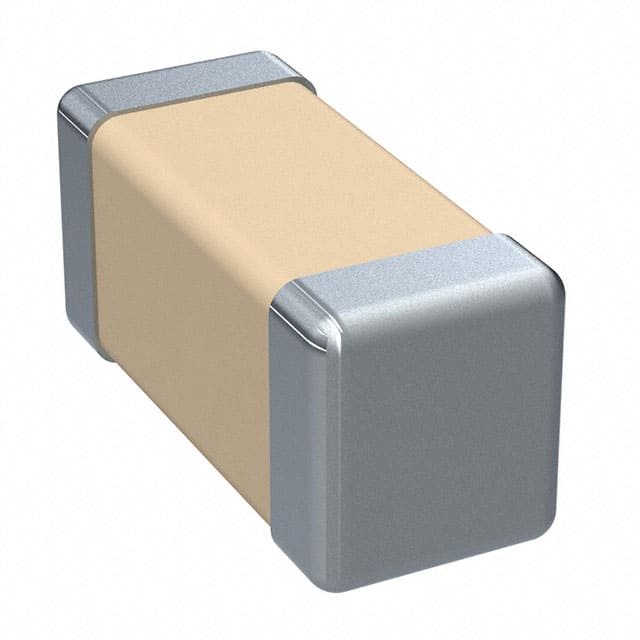
|
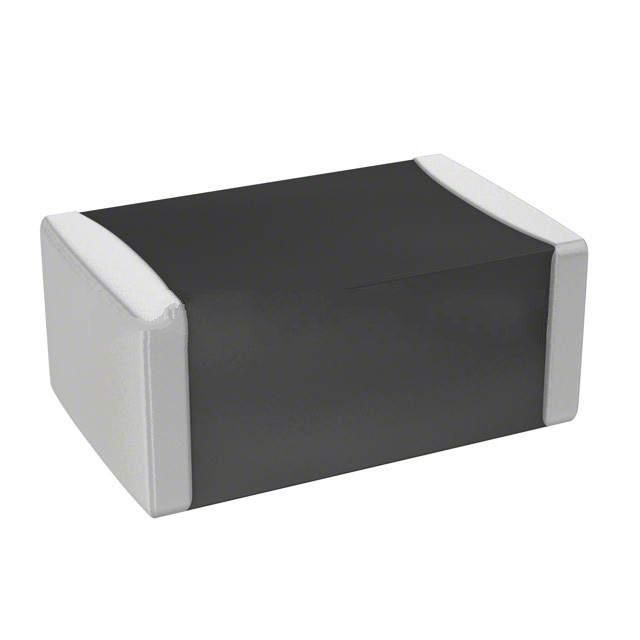
|
| Category | Ceramic Capacitors | Ceramic Capacitors |
| Manufacturer | KEMET | Murata Electronics |
| Description | CAP CER 0.039UF 10V X5R 0402 | CAP CER 5600PF 50V X7R 0805 |
| Package | Tape & Reel (TR) | 0805 (2012 Metric) |
| Series | SMD Comm X5R | GRM |
| Features | - | - |
| Operating Temperature | -55°C ~ 85°C | -55°C ~ 125°C |
| Mounting Type | Surface Mount, MLCC | Surface Mount, MLCC |
| Package / Case | 0402 (1005 Metric) | 0805 (2012 Metric) |
| Applications | General Purpose | General Purpose |
| Tolerance | ±10% | ±10% |
| Temperature Coefficient | X5R | X7R |
| Size / Dimension | 0.039" L x 0.020" W (1.00mm x 0.50mm) | 0.079" L x 0.049" W (2.00mm x 1.25mm) |
| Voltage - Rated | 10V | 50V |
| Lead Spacing | - | - |
| Thickness (Max) | 0.022\" (0.55mm) | 0.028" (0.70mm) |
| Ratings | - | - |
| Height - Seated (Max) | - | - |
| Capacitance | 0.039 µF | 5600pF |
| Lead Style | - | - |
| Failure Rate | - | - |
-
1. What is the difference between ceramic capacitors and electrolytic capacitors?
Polarity: Ceramic capacitors are non-polar, while electrolytic capacitors are polar.
Capacity range: Electrolytic capacitors generally offer larger capacitance values.
Stability: Ceramic capacitors are more stable, especially when the temperature changes.
Lifespan: Ceramic capacitors have a longer lifespan because there is no liquid electrolyte to dry out. -
2. Do ceramic capacitors deteriorate over time?
While ceramic capacitors are relatively stable, their capacitance value may decrease slightly over time, especially under extreme environmental conditions. However, this change is usually small and will not significantly affect most applications.
-
3. Why do ceramic capacitors short?
Overvoltage: Exceeding the rated voltage may cause internal breakdown.
Mechanical damage: External impact or pressure.
Manufacturing defects: Problems with the internal structure. -
4. Can I replace ceramic capacitors with film capacitors?
Film capacitors can be used to replace ceramic capacitors in some application scenarios, especially when better temperature stability and lower losses are required.
