
C1206C124K5RALTU vs C0805C275M8PACTU
| Part Number |
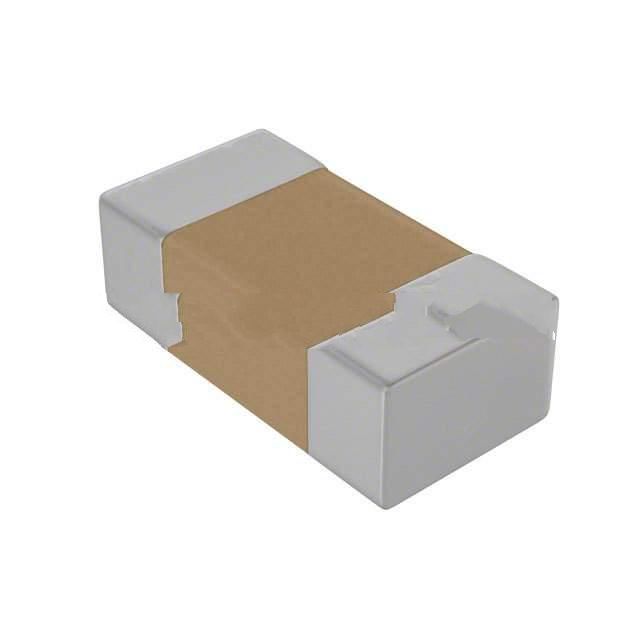
|
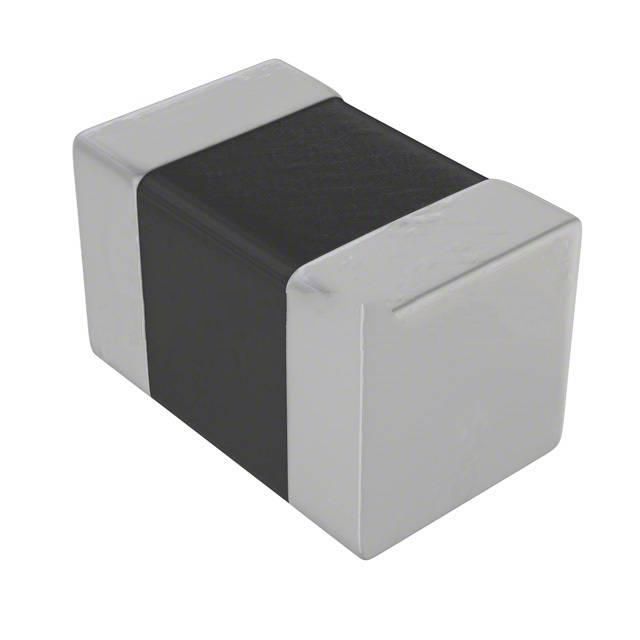
|
| Category | Ceramic Capacitors | Ceramic Capacitors |
| Manufacturer | KEMET | KEMET |
| Description | CAP CER 0.12UF 50V X7R 1206 | CAP CER 2.7UF 10V X5R 0805 |
| Package | 1206 (3216 Metric) | 0805 (2012 Metric) |
| Series | L | C |
| Operating Temperature | -55°C ~ 125°C | -55°C ~ 85°C |
| Mounting Type | Surface Mount, MLCC | Surface Mount, MLCC |
| Package / Case | 1206 (3216 Metric) | 0805 (2012 Metric) |
| Applications | General Purpose | General Purpose |
| Tolerance | ±10% | ±20% |
| Temperature Coefficient | X7R | X5R |
| Size / Dimension | 0.126" L x 0.063" W (3.20mm x 1.60mm) | 0.079" L x 0.049" W (2.00mm x 1.25mm) |
| Voltage - Rated | 50V | 10V |
| Thickness (Max) | 0.039" (1.00mm) | 0.041" (1.05mm) |
| Capacitance | 0.12µF | 2.7µF |
| Features | - | Low ESL |
-
1. Why do ceramic capacitors short?
Overvoltage: Exceeding the rated voltage may cause internal breakdown.
Mechanical damage: External impact or pressure.
Manufacturing defects: Problems with the internal structure. -
2. Can ceramic capacitors hold a charge?
Ceramic capacitors can store charge, but they have a higher leakage current than electrolytic capacitors, so they are less able to hold a charge.
-
3. Why do ceramic capacitors make noise?
Some types of ceramic capacitors (particularly Class 2 ceramic capacitors) produce micro-vibrations when the voltage changes due to their material properties, which in turn cause faint mechanical noise.
-
4. Can I replace ceramic capacitors with film capacitors?
Film capacitors can be used to replace ceramic capacitors in some application scenarios, especially when better temperature stability and lower losses are required.
