
C1206C511JCGACTU vs 0603J0160561JFT
| Part Number |
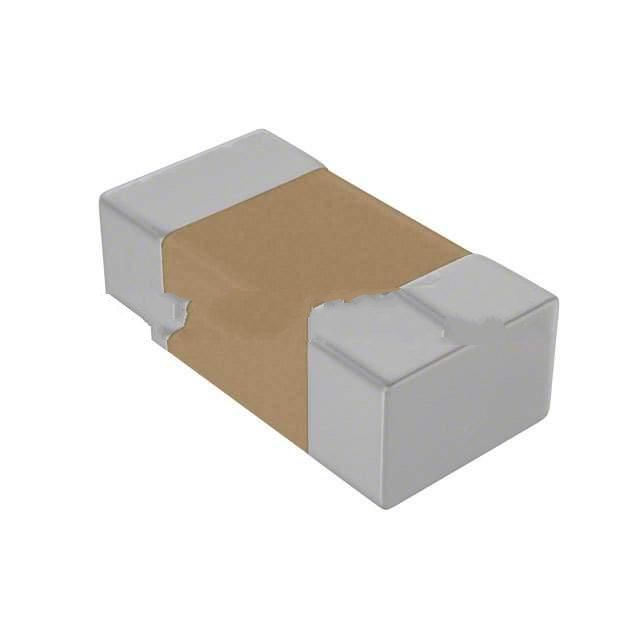
|
|
| Category | Ceramic Capacitors | Ceramic Capacitors |
| Manufacturer | KEMET | Knowles Syfer |
| Description | CAP CER 510PF 500V NP0 1206 | CAP CER 560PF 16V C0G/NP0 0603 |
| Package | 1206 (3216 Metric) | 0603 (1608 Metric) |
| Series | C | - |
| Features | High Voltage | High Temperature |
| Operating Temperature | -55°C ~ 125°C | -55°C ~ 125°C |
| Mounting Type | Surface Mount, MLCC | Surface Mount, MLCC |
| Package / Case | 1206 (3216 Metric) | 0603 (1608 Metric) |
| Applications | General Purpose | High Reliability |
| Tolerance | ±5% | ±5% |
| Temperature Coefficient | C0G, NP0 | C0G, NP0 |
| Size / Dimension | 0.126" L x 0.063" W (3.20mm x 1.60mm) | 0.063" L x 0.032" W (1.60mm x 0.80mm) |
| Voltage - Rated | 500V | 16V |
| Thickness (Max) | 0.069" (1.75mm) | 0.032" (0.80mm) |
| Capacitance | 510pF | 560pF |
-
1. What is the difference between ceramic capacitors and electrolytic capacitors?
Polarity: Ceramic capacitors are non-polar, while electrolytic capacitors are polar.
Capacity range: Electrolytic capacitors generally offer larger capacitance values.
Stability: Ceramic capacitors are more stable, especially when the temperature changes.
Lifespan: Ceramic capacitors have a longer lifespan because there is no liquid electrolyte to dry out. -
2. Why do ceramic capacitors short?
Overvoltage: Exceeding the rated voltage may cause internal breakdown.
Mechanical damage: External impact or pressure.
Manufacturing defects: Problems with the internal structure. -
3. Does the voltage of ceramic capacitors matter?
Voltage ratings are critical to ensure safe operation. Using a capacitor below the rated voltage may cause premature failure; using a capacitor above the rated voltage may cause immediate damage.
-
4. Can ceramic capacitors be used in AC?
Ceramic capacitors are well suited for AC circuits because they have good frequency response characteristics and low losses.
