
C1210C474Z5VACTU vs C0805C184K8RACTU
| Part Number |
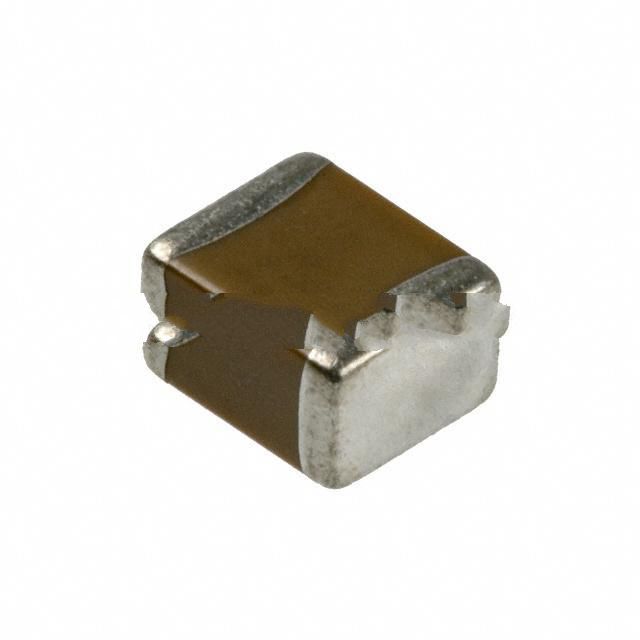
|
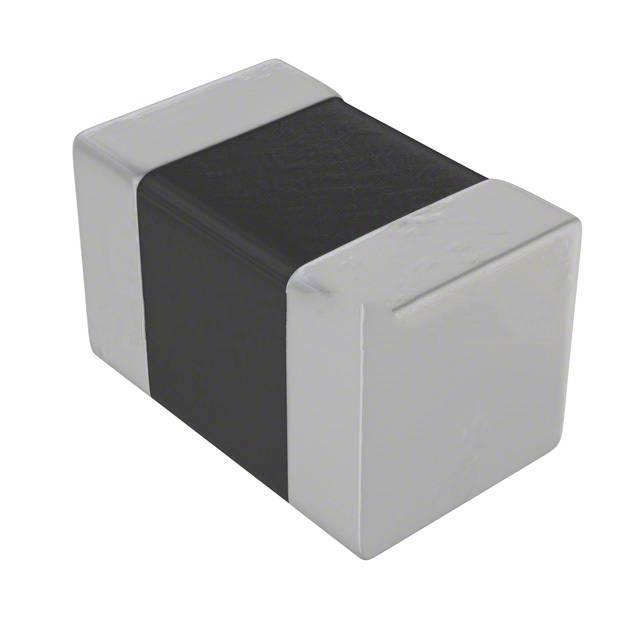
|
| Category | Ceramic Capacitors | Ceramic Capacitors |
| Manufacturer | KEMET | KEMET |
| Description | CAP CER 0.47UF 50V Y5V 1210 | CAP CER 0.18UF 10V X7R 0805 |
| Package | 1210 (3225 Metric) | 0805 (2012 Metric) |
| Series | C | C |
| Operating Temperature | -30°C ~ 85°C | -55°C ~ 125°C |
| Mounting Type | Surface Mount, MLCC | Surface Mount, MLCC |
| Package / Case | 1210 (3225 Metric) | 0805 (2012 Metric) |
| Applications | General Purpose | General Purpose |
| Tolerance | -20%, +80% | ±10% |
| Temperature Coefficient | Y5V (F) | X7R |
| Size / Dimension | 0.126" L x 0.098" W (3.20mm x 2.50mm) | 0.079" L x 0.049" W (2.00mm x 1.25mm) |
| Voltage - Rated | 50V | 10V |
| Thickness (Max) | 0.041" (1.05mm) | 0.035" (0.88mm) |
| Capacitance | 0.47µF | 0.18µF |
| Features | - | Low ESL |
-
1. Do ceramic capacitors deteriorate over time?
While ceramic capacitors are relatively stable, their capacitance value may decrease slightly over time, especially under extreme environmental conditions. However, this change is usually small and will not significantly affect most applications.
-
2. How do I know if my ceramic capacitor is bad?
Visual inspection: Check for cracks, bulges, or other physical damage.
Multimeter test: Measure the capacitance value to see if it is close to the nominal value, and check for shorts or opens. -
3. Can ceramic capacitors hold a charge?
Ceramic capacitors can store charge, but they have a higher leakage current than electrolytic capacitors, so they are less able to hold a charge.
-
4. Does the voltage of ceramic capacitors matter?
Voltage ratings are critical to ensure safe operation. Using a capacitor below the rated voltage may cause premature failure; using a capacitor above the rated voltage may cause immediate damage.
