
LM394CH/NOPB vs STD845DN40
| Part Number |
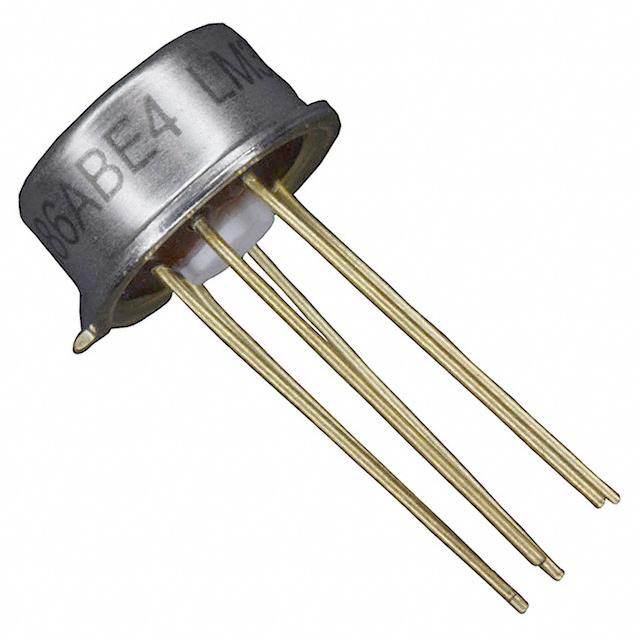
|
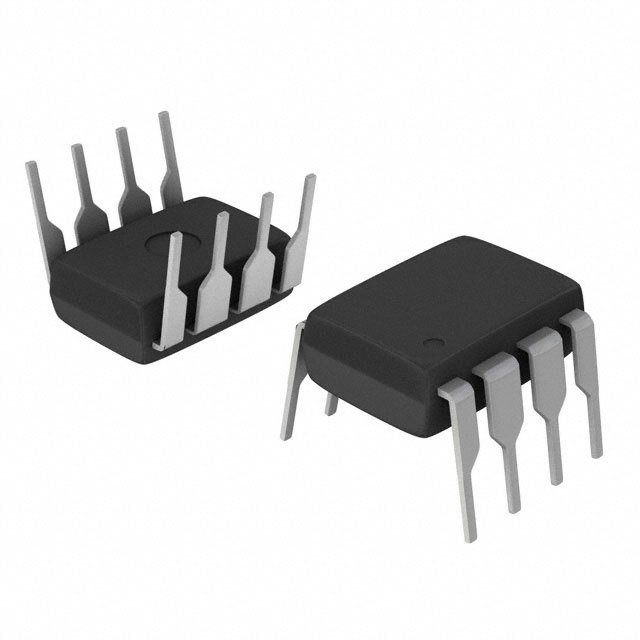
|
| Category | Transistors - Bipolar (BJT) - Arrays | Transistors - Bipolar (BJT) - Arrays |
| Manufacturer | Texas Instruments | STMicroelectronics |
| Description | TRANS 2NPN 20V 0.02A TO99-6 | TRANS 2NPN 400V 4A 8DIP |
| Package | -Reel® | Tape & Reel (TR) |
| Series | - | - |
| Operating Temperature | -25°C ~ 85°C (TA) | 150°C (TJ) |
| Mounting Type | Through Hole | Through Hole |
| Package / Case | TO-99-6 Metal Can | 8-DIP (0.300\", 7.62mm) |
| Supplier Device Package | 14-VSON (6x5) | 8-DIP |
| Power - Max | 500mW | 3W |
| Transistor Type | 2 NPN (Dual) | 2 NPN (Dual) |
| Current - Collector (Ic) (Max) | 20mA | 4A |
| Voltage - Collector Emitter Breakdown (Max) | 20V | 400V |
| Vce Saturation (Max) @ Ib, Ic | 100mV @ 100µA, 1mA | 500mV @ 1A, 4A |
| Current - Collector Cutoff (Max) | - | 250µA |
| DC Current Gain (hFE) (Min) @ Ic, Vce | - | 12 @ 2A, 5V |
| Frequency - Transition | - | - |
-
1. What are BJT arrays used for?
BJT arrays are often used in analog circuits like amplifiers, switches, and oscillators where matched transistor pairs are required for balanced performance.
-
2. What packages are BJT arrays available in?
Common packages include surface-mount types like SC-88, SOT-363, or TSSOP, which are compact and suitable for space-constrained designs.
-
3. What are the limitations of BJT arrays?
While they save space, they can limit flexibility if specific transistor types or configurations are needed. Also, thermal coupling might not always be beneficial in all scenarios.
-
4. How do BJT arrays compare to MOSFET arrays?
BJT arrays are preferred for applications requiring high current gain and faster switching, while MOSFETs are better for low-power and high-efficiency applications.
