
LMP7717MA vs MAX448ACPD-2
| Part Number |
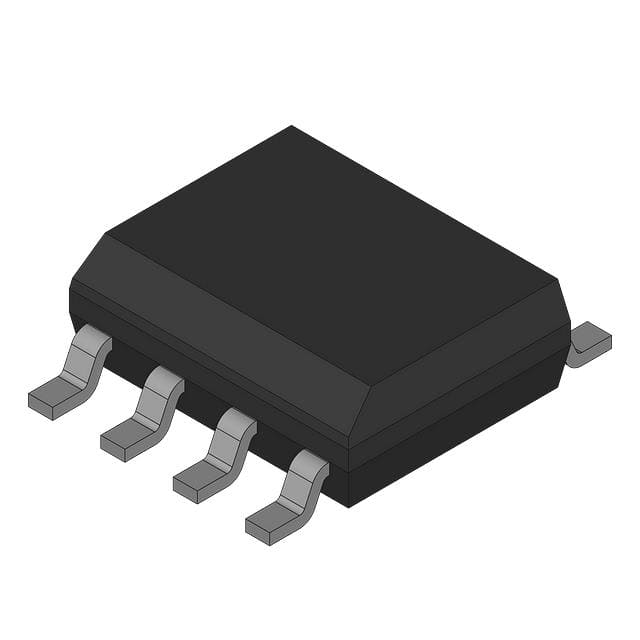
|
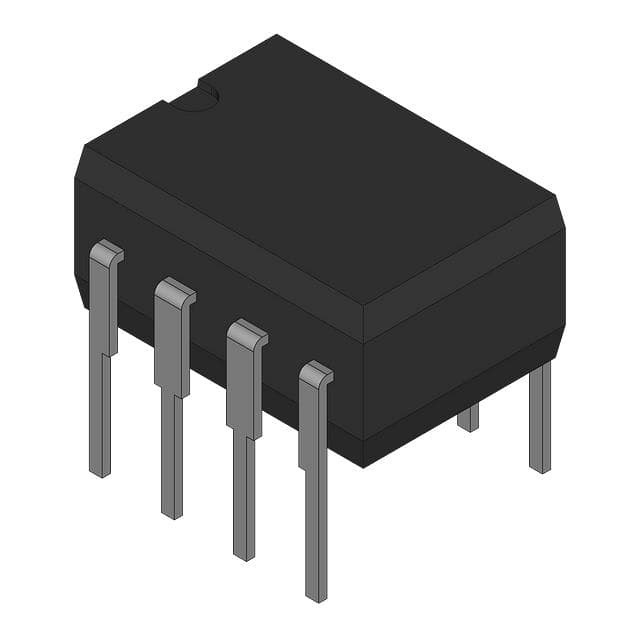
|
| Category | Linear - Amplifiers - Instrumentation, OP Amps, Buffer Amps | Linear - Amplifiers - Instrumentation, OP Amps, Buffer Amps |
| Manufacturer | National Semiconductor | Maxim Integrated |
| Description | IC CMOS 1 CIRCUIT 8SOIC | QUAD OPERATIONAL AMPLIFIER |
| Package | Bulk | Bulk |
| Series | LMP® | - |
| Operating Temperature | -40°C ~ 125°C | 0°C ~ 70°C |
| Mounting Type | Surface Mount | Through Hole |
| Package / Case | 8-SOIC (0.154\", 3.90mm Width) | 14-DIP (0.300\", 7.62mm) |
| Supplier Device Package | 8-SOIC | 14-PDIP |
| Current - Supply | 1.15mA | 30mA (x4 Channels) |
| Output Type | Rail-to-Rail | - |
| Number of Circuits | 1 | 4 |
| Voltage - Supply, Single/Dual (±) | 1.8V ~ 5.5V | 6V |
| Current - Output / Channel | 60 mA | - |
| -3db Bandwidth | - | - |
| Amplifier Type | CMOS | General Purpose |
| Current - Input Bias | 0.1 pA | 650 nA |
| Voltage - Input Offset | 10 µV | 3 mV |
| Slew Rate | 35V/µs | 90V/µs |
| Gain Bandwidth Product | 88 MHz | 100 MHz |
-
1. How do instrumentation amplifiers handle sensor signals?
Instrumentation amplifiers are used to extract low-level signals from sensors (e.g. thermocouples, pressure sensors) to provide high-precision amplification, and are particularly suited to applications that require accurate reading and amplification of weak signals, such as medical and industrial monitoring.
-
2. How is the noise performance of instrumentation amplifiers optimized?
Select low-noise amplifiers in your design and use shielding, filters, and precise power management to minimize external noise. High-quality resistors should be used wherever possible and PCB layout should be optimized to reduce noise coupling.
-
3. How to achieve high accuracy and low drift in instrumentation amplifiers?
Select an amplifier with low bias current, low offset voltage, and low noise, and reduce the effect of temperature drift on accuracy through a stable power supply and proper temperature compensation circuit design.
-
4. What is Slew Rate and how does it affect op amp performance?
Slew rate is the maximum rate of change of an operational amplifier's output voltage over time. Higher slew rates are good for fast-changing signals and can handle higher frequency inputs, while lower slew rates can cause signal distortion.
