
QJ6016LH6TP vs MAC97-008
| Part Number |
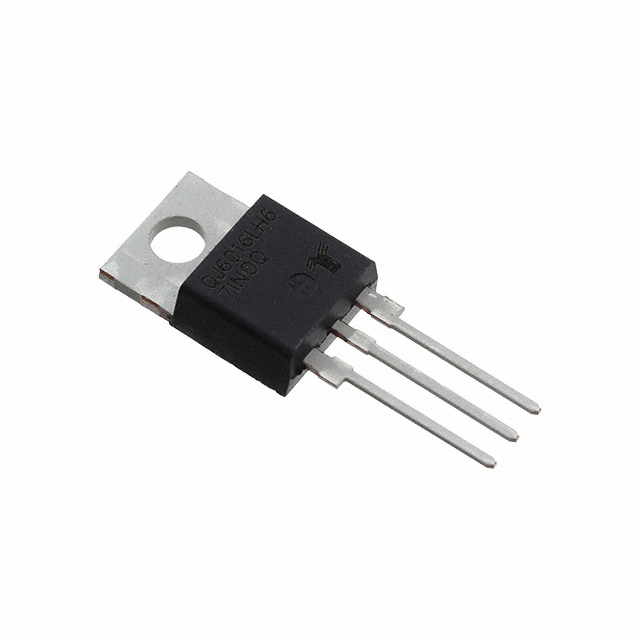
|

|
| Category | Thyristors - TRIACs | Thyristors - TRIACs |
| Manufacturer | Littelfuse Inc. | ON Semiconductor |
| Description | ALTERNISTOR TRIAC 16A TO220 | THYRISTOR TRIAC 600V 8A 3PIN TO |
| Package | Tube | Bulk |
| Series | - | - |
| Operating Temperature | -40°C ~ 150°C (TJ) | - |
| Mounting Type | Through Hole | - |
| Package / Case | TO-220-3 Isolated Tab | - |
| Supplier Device Package | ITO-220AB | - |
| Configuration | Single | - |
| Current - Hold (Ih) (Max) | 70 mA | - |
| Voltage - Off State | 600 V | - |
| Voltage - Gate Trigger (Vgt) (Max) | 1.3 V | - |
| Current - Gate Trigger (Igt) (Max) | 80 mA | - |
| Current - On State (It (RMS)) (Max) | 16 A | - |
| Current - Non Rep. Surge 50, 60Hz (Itsm) | 167A, 200A | - |
| Triac Type | Alternistor - Snubberless | - |
-
1. What is a TRIAC, and how does it differ from an SCR?
A TRIAC is a bidirectional device that can control AC power, effectively working as two SCRs in parallel but in opposite directions. Unlike an SCR, which only conducts in one direction, a TRIAC operates in both directions, making it ideal for AC applications.
-
2. What are the limitations of TRIACs?
TRIACs are less efficient for high-power or complex control systems due to asymmetric triggering and potential noise issues. They are more suited to low-to-medium power applications.
-
3. Why are TRIACs preferred in household electronics?
TRIACs are compact, cost-effective, and capable of handling bidirectional current, making them ideal for small, lightweight, and reliable household devices.
-
4. How does dv/dt affect TRIAC performance?
A high rate of voltage change (dv/dt) across the TRIAC can unintentionally trigger it. Snubber circuits are used to limit dv/dt and ensure reliable operation.
