
TAS5612APHDR vs TAS5706BPAP
| Part Number |
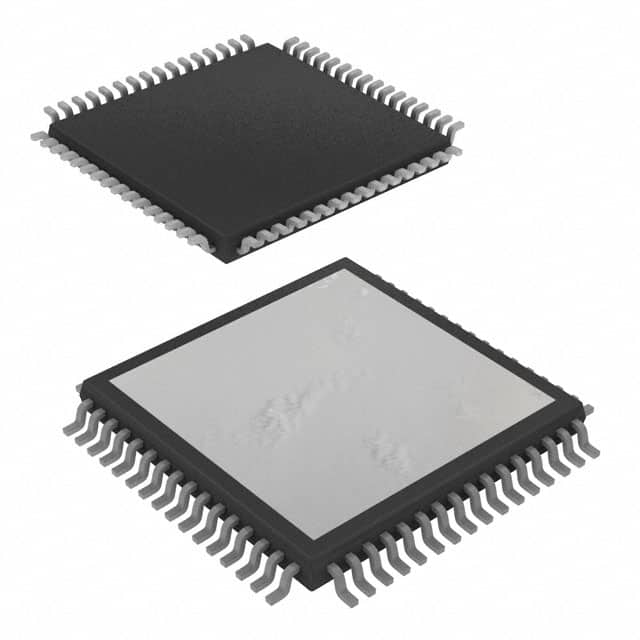
|
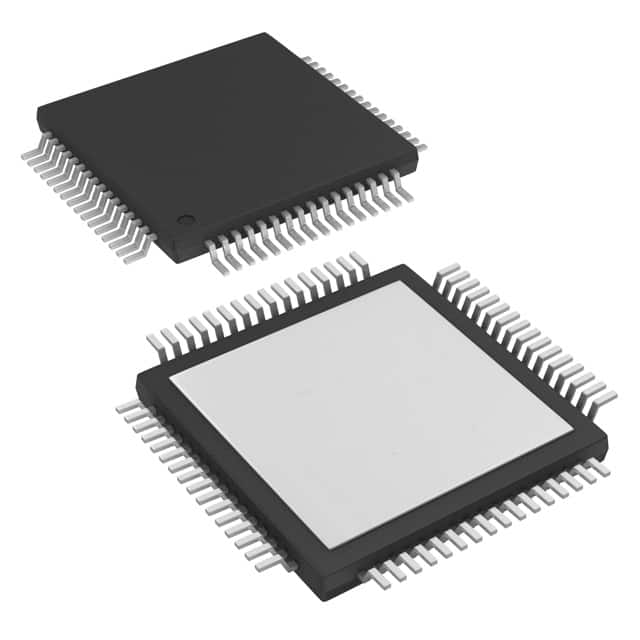
|
| Category | Linear - Amplifiers - Audio | Linear - Amplifiers - Audio |
| Manufacturer | Texas Instruments | Texas Instruments |
| Description | IC AMP D MONO/STER 250W 64HTQFP | IC AMP D DUAL/QUAD 20.6W 64HTQFP |
| Package | Cut Tape (CT) | Tube |
| Series | PurePath™ HD | - |
| Type | Class D | Class D |
| Features | Depop, Jinftrytal Inputs, Short-Circuit and Thermal Protection, Shutdown | Depop, Jinftrytal Inputs, I²C, I²S, Mute, Short-Circuit and Thermal Protection, Shutdown, Volume Control |
| Voltage - Supply | 16V ~ 34.1V | 10V ~ 26V |
| Operating Temperature | 0°C ~ 70°C (TA) | 0°C ~ 85°C (TA) |
| Mounting Type | Surface Mount | Surface Mount |
| Package / Case | 64-TQFP Exposed Pad | 64-PowerTQFP |
| Supplier Device Package | 64-HTQFP (14x14) | 64-HTQFP (10x10) |
| Output Type | 1-Channel (Mono) or 2-Channel (Stereo) | 2-Channel (Stereo) or 4-Channel (Quad) |
| Max Output Power x Channels @ Load | 250W x 1 @ 2Ohm; 165W x 2 @ 3Ohm | 20.6W x 2 @ 8Ohm |
-
1. What types of audio amplifiers are available?
Common types of audio amplifiers include:
Class A amplifiers: have the highest sound quality, but are less efficient.
Class B amplifiers: More efficient, but may produce crossover distortion.
Class AB amplifiers: between Class A and Class B with good balance.
Class D amplifier: highest efficiency, suitable for portable devices, but slightly lower sound quality. -
2. What is the Total Harmonic Distortion (THD) of an audio amplifier?
Total Harmonic Distortion (THD) is the distortion component introduced by an audio amplifier during the signal amplification process. the lower the THD, the closer the amplified audio signal will be to the original signal, and usually high quality audio amplifiers have a THD value of less than 1%.
-
3. What is a Class D audio amplifier and what are its advantages?
Class D audio amplifiers work through Pulse Width Modulation (PWM) technology and have extremely high efficiency (typically up to 90% or higher), making them suitable for use in portable audio equipment or high-efficiency sound systems. It generates less heat because it reduces energy consumption.
-
4. What is the signal-to-noise ratio (SNR) of an audio amplifier?
Signal-to-noise ratio (SNR) is a measure of the ratio of the audio signal to the background noise, with higher values indicating less noise in the audio signal. A high SNR usually means clearer sound output.
