
TPS2391DGKRG4 vs LM5068MM-4/NOPB
| Part Number |

|
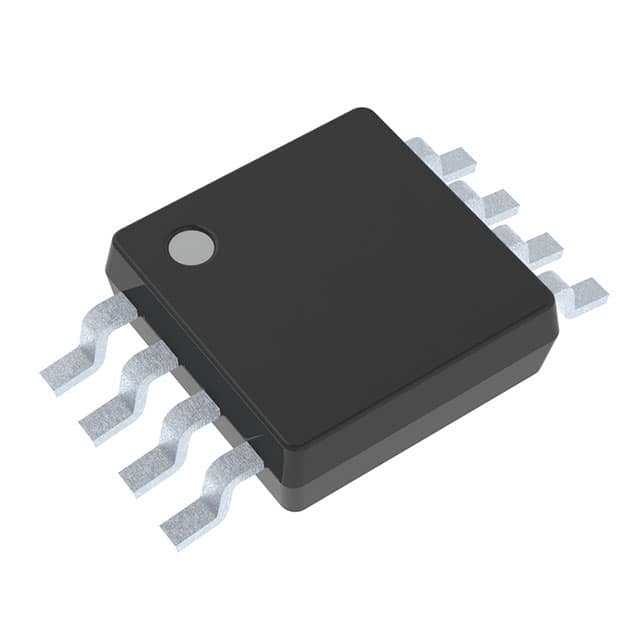
|
| Category | PMIC - Hot Swap Controllers | PMIC - Hot Swap Controllers |
| Manufacturer | Texas Instruments | Texas Instruments |
| Description | IC HOT SWAP CTRLR -48V 8VSSOP | IC HOT SWAP CTRLR -48V 8VSSOP |
| Package | -Reel® | Tape & Reel (TR) |
| Series | - | - |
| Type | Hot Swap Controller | Hot Swap Controller |
| Features | Auto Retry, UVLO | Auto Retry, Turn On Voltage |
| Voltage - Supply | -80V ~ -36V | -90V ~ -10V |
| Operating Temperature | -40°C ~ 85°C | -40°C ~ 105°C |
| Mounting Type | Surface Mount | Surface Mount |
| Package / Case | 8-TSSOP, 8-MSOP (0.118\", 3.00mm Width) | 8-TSSOP, 8-MSOP (0.118\", 3.00mm Width) |
| Supplier Device Package | 8-VSSOP | 8-VSSOP |
| Current - Supply | 700 µA | 820 µA |
| Applications | -48V | -48V |
| Current - Output (Max) | - | - |
| Number of Channels | 1 | 1 |
| Internal Switch(s) | No | No |
| Programmable Features | Current Limit, Fault Timeout, Slew Rate | Circuit Breaker, Current Limit, Fault Timeout, OVP, UVLO |
-
1. How does a PMIC hot-swap controller work?
A hot-swap controller protects system components by limiting inrush current during insertion. It monitors parameters such as current and voltage and triggers protection mechanisms such as overcurrent protection or disconnection of power when they exceed the safe range.
-
2. How to choose a suitable hot-swap controller?
When selecting a hot-swap controller, you should consider the system's current and voltage range, protection mechanisms (such as overcurrent protection and thermal shutdown), response time, power dissipation, and other required functions.
-
3. What is the difference between a hot-swap controller and a power switch?
Hot-swap controllers actively manage current and voltage changes during the plug-in process, while ordinary power switches only have simple on-off functions and cannot provide protection and control functions.
-
4. What voltage ranges do PMIC hot-swap controllers support?
Hot-swap controllers support voltage ranges from low voltage (such as 5V) to high voltage (such as 48V or even higher), depending on the model and application scenario of the controller.
