
UC3610DWG4 vs VBO54-14NO7
| Part Number |
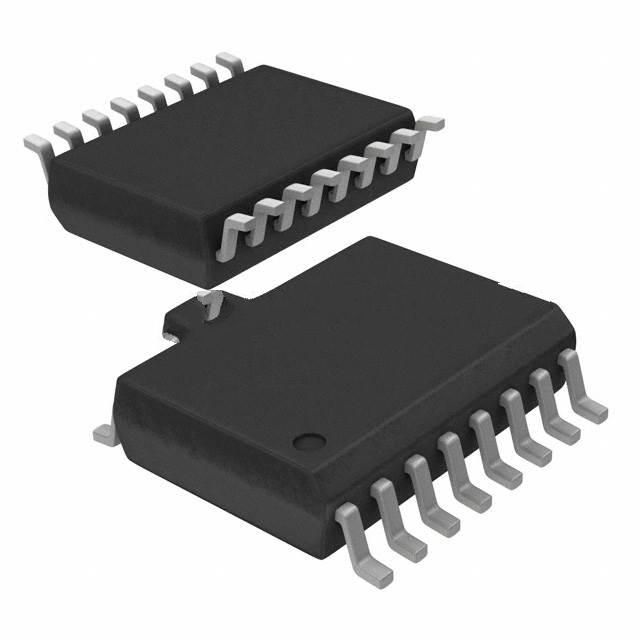
|

|
| Category | Diodes - Bridge Rectifiers | Diodes - Bridge Rectifiers |
| Manufacturer | Texas Instruments | IXYS |
| Description | IC SCHOTTKY DIODE BRIDGE 16-SOIC | BRIDGE RECT 1P 1.4KV 54A ECOPAC1 |
| Package | 16-SOIC (0.295", 7.50mm Width) | Bulk |
| Series | - | - |
| Operating Temperature | 0°C ~ 70°C (TA) | - |
| Mounting Type | Surface Mount | Chassis Mount |
| Package / Case | 16-SOIC (0.295", 7.50mm Width) | ECO-PAC1 |
| Supplier Device Package | 16-SOIC | ECO-PAC1 |
| Technology | Schottky | Standard |
| Diode Type | Single Phase | Single Phase |
| Voltage - Peak Reverse (Max) | 50V | 1.4 kV |
| Current - Average Rectified (Io) | 3A | 54 A |
| Voltage - Forward (Vf) (Max) @ If | 1.3V @ 1A | - |
| Current - Reverse Leakage @ Vr | 100µA @ 40V | 40 µA @ 1400 V |
-
1. What is a bridge rectifier?
A bridge rectifier is a circuit composed of four diodes used to convert alternating current (AC) to direct current (DC). It is a common type of rectifier circuit widely used in devices such as power supplies and chargers.
-
2. What is the peak reverse voltage (PIV) of a bridge rectifier?
Peak reverse voltage (PIV) is the maximum voltage that a bridge rectifier can withstand when reverse biased. When selecting a bridge rectifier, the PIV should be at least twice the peak voltage of the input AC power to prevent diode breakdown under reverse voltage.
-
3. Does the bridge rectifier require heat dissipation?
Yes, high-power bridge rectifiers typically generate a large amount of heat and require cooling through radiators or cooling schemes to reduce temperature and prevent component damage due to overheating.
-
4. Can bridge rectifiers be used for high-frequency applications?
Traditional silicon bridge rectifiers have low efficiency in high-frequency applications and are prone to significant power losses. However, bridge rectifiers using Schottky diodes or fast recovery diodes can significantly improve high-frequency rectification performance.
