
Z0103MAG vs QK012RH2
| Part Number |
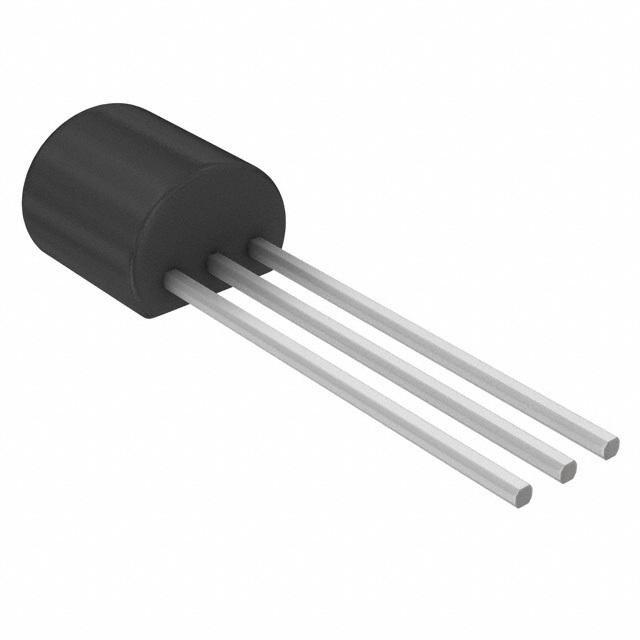
|

|
| Category | Thyristors - TRIACs | Thyristors - TRIACs |
| Manufacturer | ON Semiconductor | Littelfuse Inc. |
| Description | TRIAC SENS GATE 600V 1A TO92-3 | TRIAC ALTERNISTOR 1KV 12A TO220 |
| Package | Tape & Reel (TR) | Bulk |
| Series | - | - |
| Operating Temperature | -40°C ~ 125°C (TJ) | -40°C ~ 125°C (TJ) |
| Mounting Type | Through Hole | Through Hole |
| Package / Case | TO-226-3, TO-92-3 Long Body | TO-220-3 Isolated Tab |
| Supplier Device Package | TO-92 (TO-226) | TO-220 Non-Isolated Tab |
| Configuration | Single | Single |
| Current - Hold (Ih) (Max) | 10 mA | 15 mA |
| Voltage - Off State | 600 V | 1 kV |
| Voltage - Gate Trigger (Vgt) (Max) | 1.3 V | 1.3 V |
| Current - Gate Trigger (Igt) (Max) | 3 mA | 10 mA |
| Current - On State (It (RMS)) (Max) | 1 A | 12 A |
| Current - Non Rep. Surge 50, 60Hz (Itsm) | 8A @ 60Hz | 110A, 120A |
| Triac Type | Logic - Sensitive Gate | Alternistor - Snubberless |
-
1. What is a TRIAC, and how does it differ from an SCR?
A TRIAC is a bidirectional device that can control AC power, effectively working as two SCRs in parallel but in opposite directions. Unlike an SCR, which only conducts in one direction, a TRIAC operates in both directions, making it ideal for AC applications.
-
2. Why do TRIACs require a DIAC for triggering?
DIACs improve the symmetry of TRIAC firing by ensuring consistent triggering voltages in both directions. This reduces harmonic distortion in AC circuits, enhancing performance.
-
3. What precautions should be taken when using TRIACs with inductive loads?
Inductive loads can cause dv/dt turn-on issues. Adding a snubber circuit or using a zero-crossing detection mechanism can prevent premature triggering.
-
4. What are the key parameters to consider when selecting a TRIAC?
Important factors include voltage and current ratings, dv/dt capability, gate sensitivity, and application-specific requirements like power dissipation and thermal management.
