
R7731AGE vs FT839ND1-RT
| Part Number |
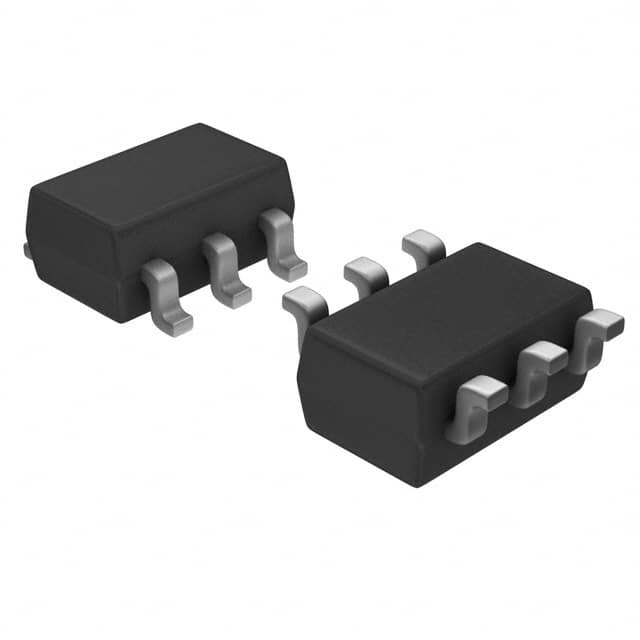
|
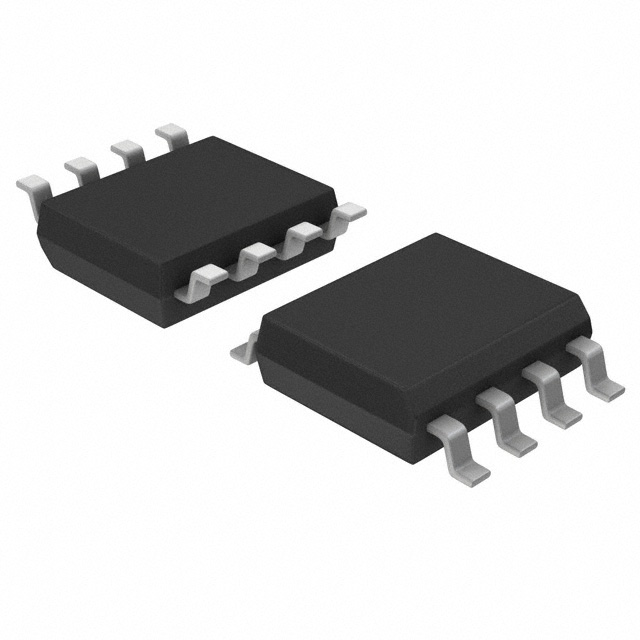
|
| Category | PMIC - AC DC Converters, Offline Switchers | PMIC - AC DC Converters, Offline Switchers |
| Manufacturer | Richtek USA Inc. | Fremont Micro Devices Ltd |
| Description | IC OFFLINE SW FLYBACK SOT23-6 | IC OFFLINE SWITCH FLYBACK 8SOP |
| Package | -Reel® | Cut Tape (CT) |
| Series | - | - |
| Operating Temperature | -40°C ~ 85°C (TA) | -40°C ~ 150°C (TJ) |
| Mounting Type | Surface Mount | Surface Mount |
| Package / Case | SOT-23-6 | 8-SOIC (0.154\", 3.90mm Width) |
| Supplier Device Package | SOT-23-6 | 8-SOP |
| Topology | Flyback | Flyback |
| Voltage - Supply (Vcc/Vdd) | 12V ~ 25V | 6V ~ 30V |
| Frequency - Switching | 65kHz | - |
| Control Features | - | - |
| Power (Watts) | - | - |
| Voltage - Breakdown | - | 650V |
| Internal Switch(s) | No | Yes |
| Output Isolation | Isolated | Isolated |
| Voltage - Start Up | 14 V | 15.5 V |
| Duty Cycle | 75% | 47% |
| Fault Protection | Current Limiting, Over Load, Over Temperature, Over Voltage | Current Limiting, Open Loop, Over Temperature, Over Voltage |
-
1. How does an AC/DC converter work?
An AC/DC converter converts AC to DC through a rectifier circuit, and after filtering and voltage stabilization, it finally provides a stable DC output. Offline switching power supplies also use switching regulation technology to improve efficiency.
-
2. What are some common applications of PMIC AC/DC converters?
PMIC AC/DC converters are widely used in scenarios that require AC power to DC, such as chargers, adapters, LED driver power supplies, industrial control equipment, smart home devices, and battery management systems.
-
3. How important is power factor correction (PFC) for AC/DC converters?
Power factor correction (PFC) is very important for meeting energy regulations and improving power efficiency, especially in high-power applications. PFC circuits can reduce the harmonic interference of equipment to the power grid.
-
4. How to improve the efficiency of AC/DC converters?
Choose a more efficient switching topology (such as resonant or quasi-resonant topology), use more efficient semiconductor devices (such as GaN or SiC transistors), and optimize circuit design to reduce switching losses and heat losses.
