
TBS22J-TP vs MB8S-TP
| Part Number |
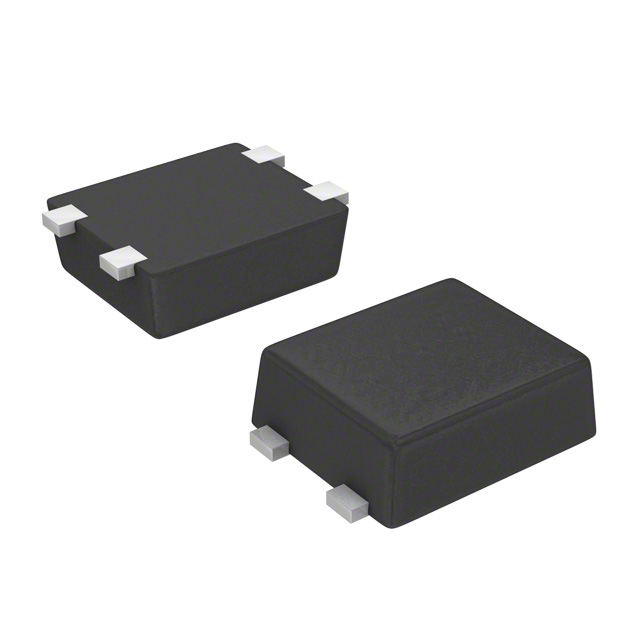
|
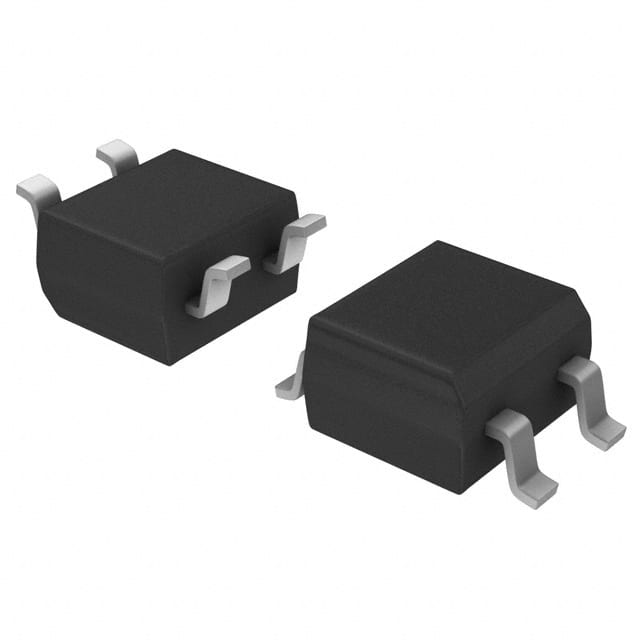
|
| Category | Diodes - Bridge Rectifiers | Diodes - Bridge Rectifiers |
| Manufacturer | Micro Commercial Co | Micro Commercial Co |
| Description | BRIDGE RECT 1P 600V 2.2A 4TBS | BRIDGE RECT 1P 800V 500MA MBS-1 |
| Package | Cut Tape (CT) | Cut Tape (CT) |
| Series | - | - |
| Operating Temperature | -55°C ~ 150°C (TJ) | -55°C ~ 150°C (TJ) |
| Mounting Type | Surface Mount | Surface Mount |
| Package / Case | 4-SMD, Flat Leads | TO-269AA, 4-BESOP |
| Supplier Device Package | 4-TBS | MBS-1 |
| Technology | Standard | Standard |
| Diode Type | Single Phase | Single Phase |
| Voltage - Peak Reverse (Max) | 600 V | 800 V |
| Current - Average Rectified (Io) | 2.2 A | 500 mA |
| Voltage - Forward (Vf) (Max) @ If | 1.1 V @ 2 A | 1 V @ 400 mA |
| Current - Reverse Leakage @ Vr | 5 µA @ 600 V | 5 µA @ 800 V |
-
1. What is a bridge rectifier?
A bridge rectifier is a circuit composed of four diodes used to convert alternating current (AC) to direct current (DC). It is a common type of rectifier circuit widely used in devices such as power supplies and chargers.
-
2. What is the working principle of bridge rectifier?
The bridge rectifier converts the input AC power into DC power through an arrangement of four diodes. Every half cycle, two diodes conduct, converting both positive and negative half waves of alternating current into direct current in the same direction.
-
3. What is the peak reverse voltage (PIV) of a bridge rectifier?
Peak reverse voltage (PIV) is the maximum voltage that a bridge rectifier can withstand when reverse biased. When selecting a bridge rectifier, the PIV should be at least twice the peak voltage of the input AC power to prevent diode breakdown under reverse voltage.
-
4. Does the bridge rectifier require heat dissipation?
Yes, high-power bridge rectifiers typically generate a large amount of heat and require cooling through radiators or cooling schemes to reduce temperature and prevent component damage due to overheating.
