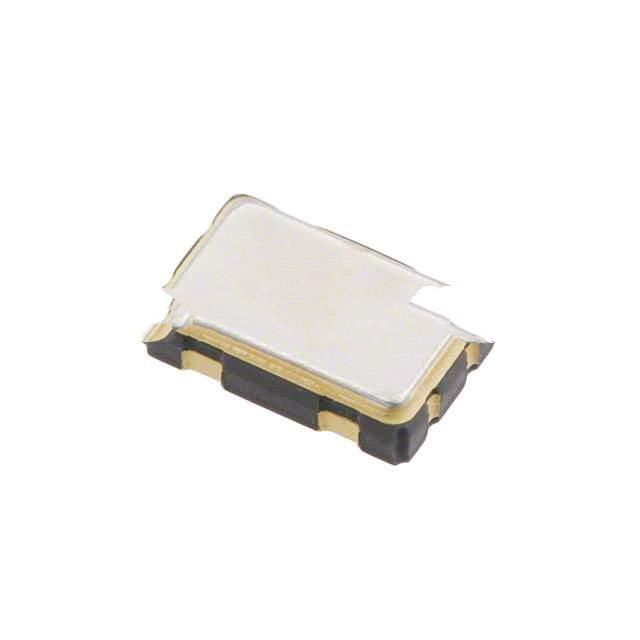
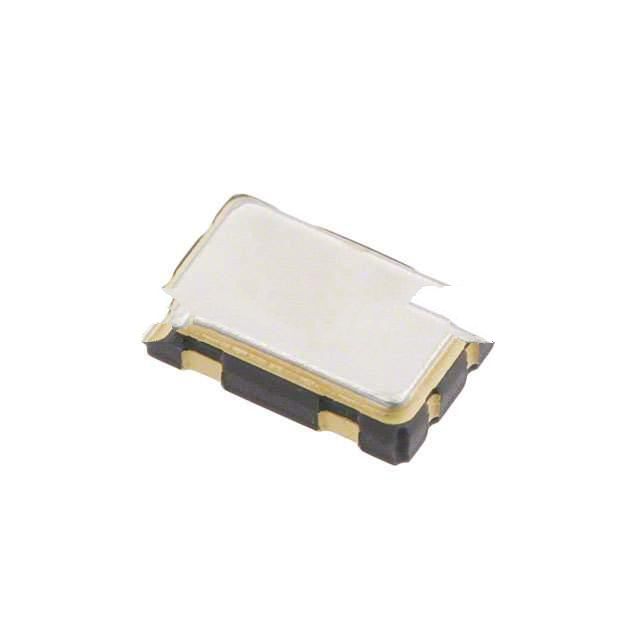
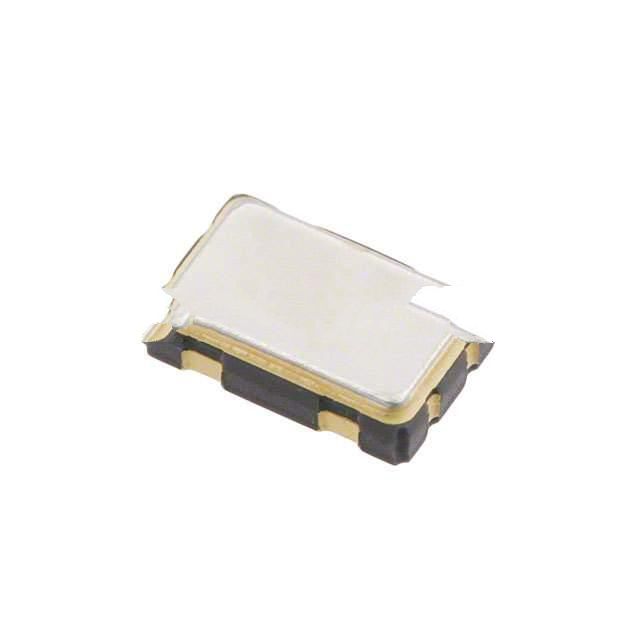
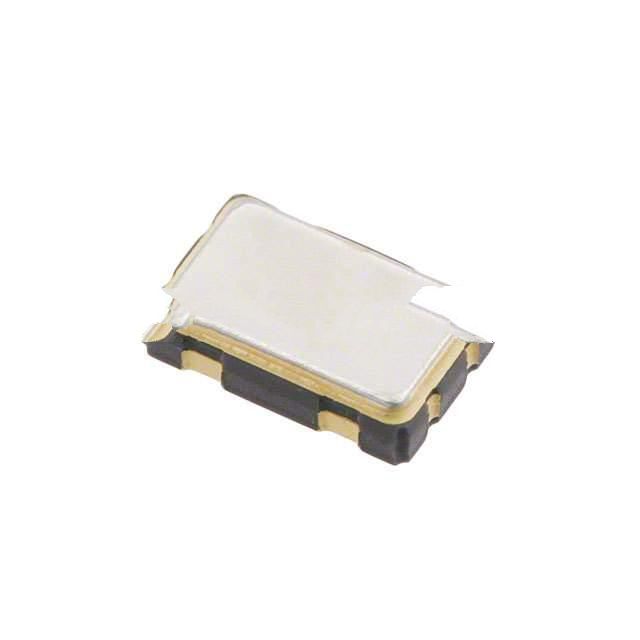
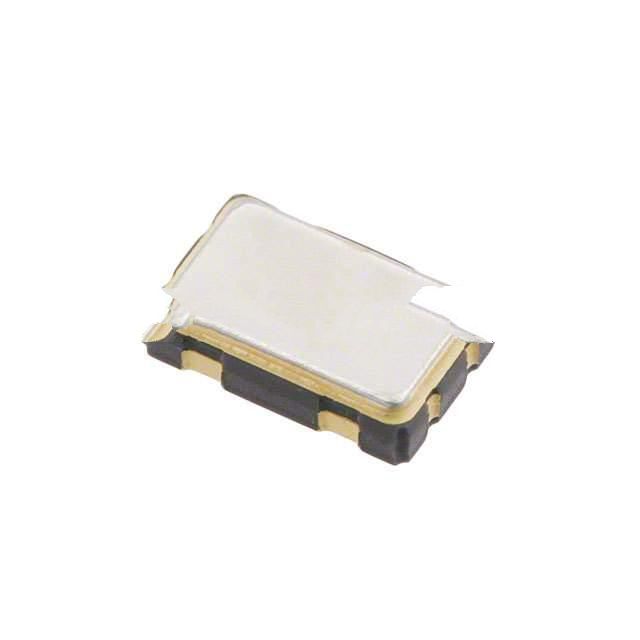
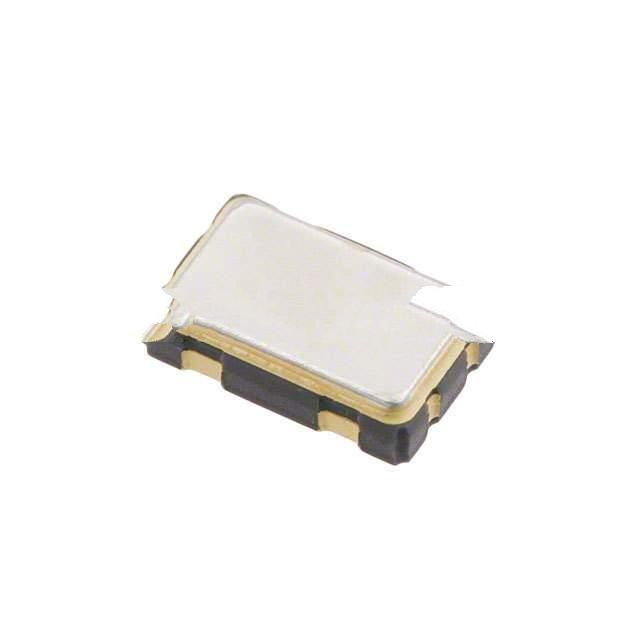
CTS-Frequency Controls 416F271X2IST
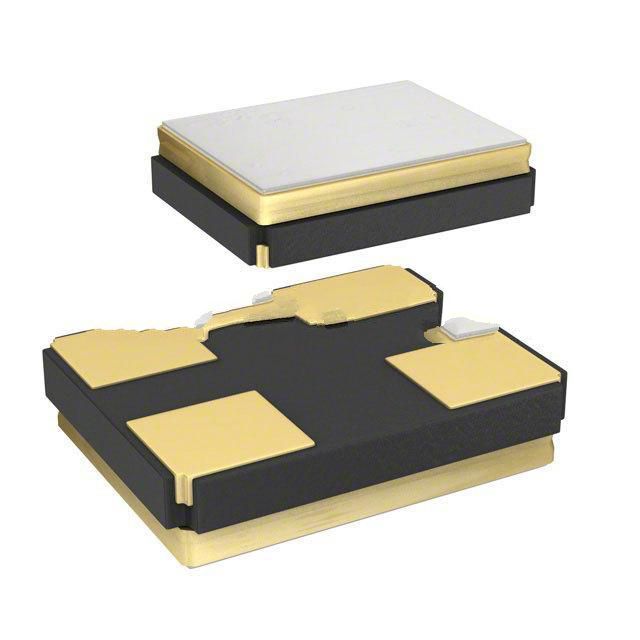
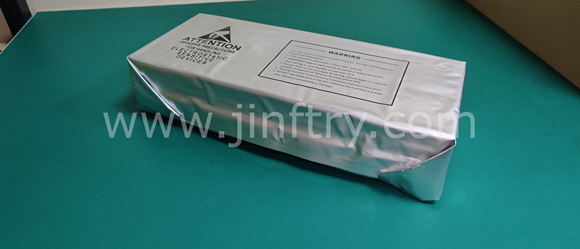
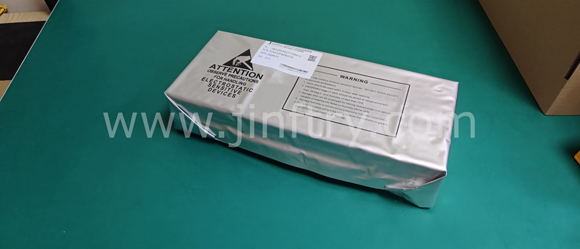
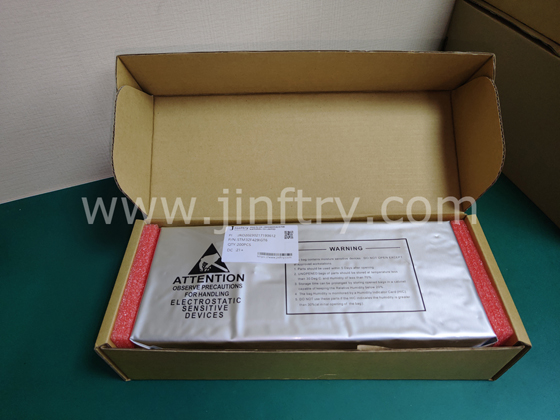
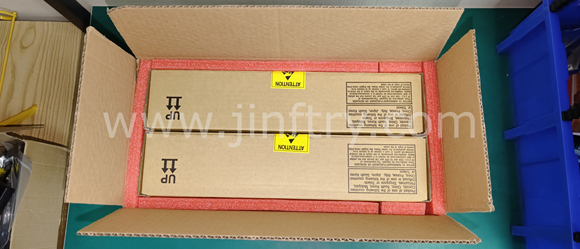
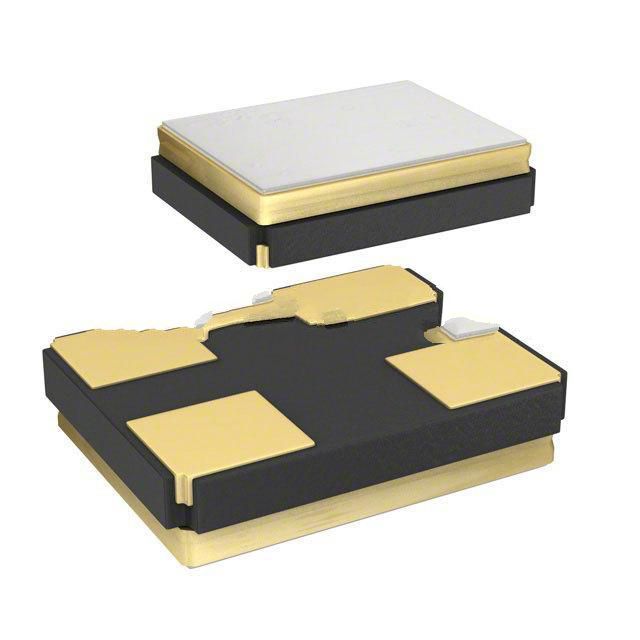
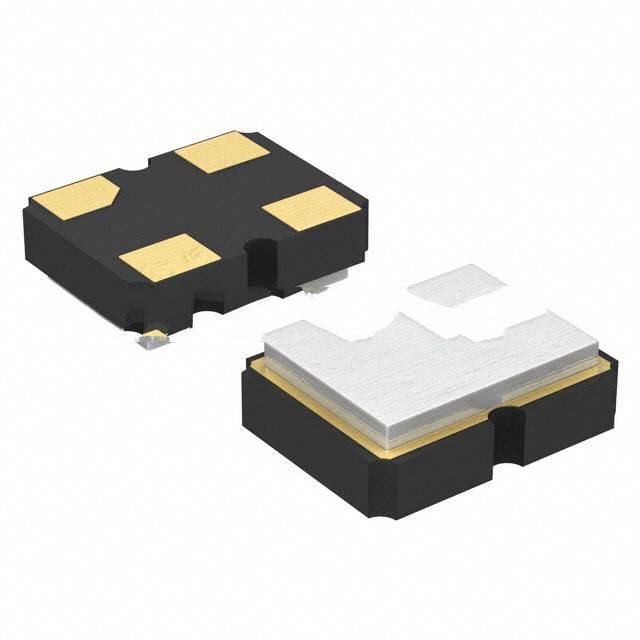
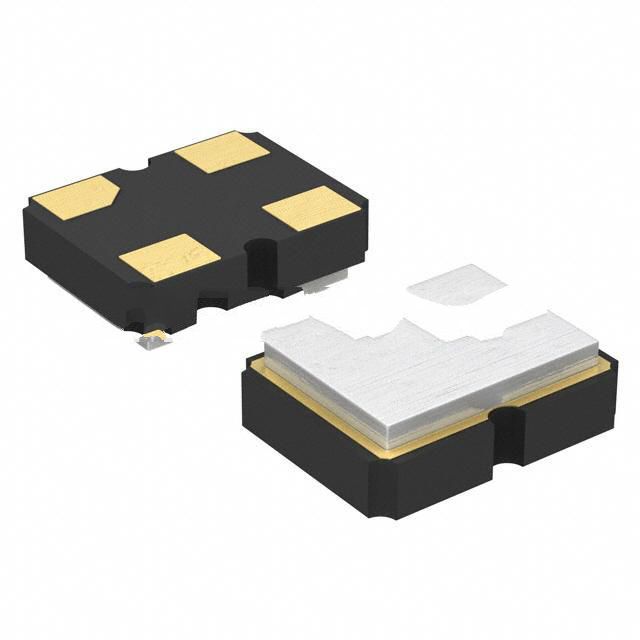
The picture is for reference only, please refer to the product specification
- 416F271X2IST
- CTS-Frequency Controls
- CRYSTAL 27.120 MHZ SERIES SMT
- Crystals
- 416F271X2IST Datasheet
- 4-SMD, No Lead
- 4-SMD, No Lead
-
 Lead free / RoHS Compliant
 - 2362
- Spot Inventory / Athorized Dstributor / Factory Excess Stock
- 1 year quality assurance 》
- Click to get rates


What is 416F271X2IST
CTS-Frequency Controls Part Number 416F271X2IST(Crystals), developed and manufactured by CTS-Frequency Controls, distributed globally by Jinftry. We distribute various electronic components from world-renowned brands and provide one-stop services, making us a trusted global electronic component distributor.
416F271X2IST is one of the part numbers distributed by Jinftry, and you can learn about its specifications/configurations, package/case, Datasheet, and other information here. Electronic components are affected by supply and demand, and prices fluctuate frequently. If you have a demand, please do not hesitate to send us an RFQ or email us immediately [email protected] Please inquire about the real-time unit price, Data Code, Lead time, payment terms, and any other information you would like to know. We will do our best to provide you with a quotation and reply as soon as possible.
416F271X2IST Specifications
- Part Number416F271X2IST
- CategoryCrystals
- ManufacturerCTS-Frequency Controls
- DescriptionCRYSTAL 27.120 MHZ SERIES SMT
- Package4-SMD, No Lead
- Series416
- TypeMHz Crystal
- Operating Temperature-40°C ~ 85°C
- Mounting TypeSurface Mount
- Package / Case4-SMD, No Lead
- Size / Dimension0.063" L x 0.047" W (1.60mm x 1.20mm)
- Frequency27.12MHz
- Height - Seated (Max)0.018" (0.45mm)
- ESR (Equivalent Series Resistance)200 Ohms
- Frequency Stability±20ppm
- Frequency Tolerance±15ppm
- Load CapacitanceSeries
- Operating ModeFundamental
Application of 416F271X2IST
416F271X2IST Datasheet
416F271X2IST Datasheet , 4-SMD, No Lead,416,MHz Crystal,-40°C ~ 85°C,Surface Mount,4-SMD, No Lead,0.063" L x 0.047" W (1.60mm x 1.20mm),27.12MHz,0.018" (0.45mm),200 Ohms,±20ppm,±15ppm,Series,Fundamental
416F271X2IST Classification
Crystals
FAQ about Crystals
-
1. What are crystals used for in circuits?
The main functions of crystals in circuits include oscillation, filtering, frequency stabilization, and frequency selection. Crystal oscillators use the piezoelectric effect of crystals to generate stable frequencies through resonance, and are often used in various electronic devices to provide stable clock signals. In addition, crystals can also be used as filters to purify signals by selectively allowing certain frequencies to pass through and blocking other frequencies. In radio communications, crystal oscillators are also used to generate stable frequencies to ensure the accuracy and reliability of communications.
-
2. What role does the crystal play in the circuit?
The role of the crystal in the circuit mainly includes the following aspects:
Role in the oscillator: In a series crystal oscillator, the main role of the crystal is to generate a stable oscillation frequency. As a resonant element, the crystal controls the oscillation frequency of the circuit through its natural frequency, ensuring the stability and accuracy of the oscillator.
Role in filters: Crystals can also be used to build filters, filtering out unwanted frequency components through their frequency selection characteristics, allowing only signals of specific frequencies to pass. This characteristic makes crystals very important in communications and signal processing.
Role in clock generators: Crystals play a key role in clock generators, generating accurate clock signals through their stable oscillation frequency. This signal is widely used in various electronic devices to ensure the synchronization and accuracy of the system.
Role in voltage-controlled oscillators (VCOs): In voltage-controlled oscillators, crystals work with varactor diodes to adjust the oscillation frequency by changing the voltage. This characteristic makes crystals very useful in devices such as communications and modems. -
3. Why do we use crystals in electronic products?
Crystals, especially quartz crystals, have a piezoelectric effect and can produce stable vibrations at a specific frequency. This characteristic makes crystals play a vital role in electronic devices. Specifically, the main roles of crystals in electronic products include:
Providing a stable reference frequency: Crystals are able to produce highly stable oscillation signals, which are essential for clock signals in digital circuits and high-frequency signals in analog circuits. Stable frequency ensures the normal operation and precise time control of electronic equipment.
Temperature stability: The inherent frequency stability of crystals is high and is less affected by changes in ambient temperature. This allows crystals to maintain stable performance under various environmental conditions, ensuring the reliable operation of electronic equipment.
Wide application: Crystals are not only used in oscillation circuits, but also widely used in electroacoustic musical instruments to ensure the accuracy and consistency of tone. In addition, crystals are used in various electronic products, such as computers, communication equipment, timers, etc.
Technological development: With the development of technology, crystals have gradually replaced early crystal oscillators because crystals have cost advantages and more demanding conditions of use than crystal oscillators. The core of the crystal is piezoelectric ceramics, which generate mechanical vibrations by applying voltage, thereby generating a stable frequency.
What is a crystal in a semiconductor?
A crystal in a semiconductor refers to a solid formed by the regular repetition of atoms, molecules or ions in three-dimensional space. This structure gives the crystal a long-range ordered atomic arrangement, exhibiting characteristics such as anisotropy and self-limitation.
Definition and characteristics of a crystal
A crystal is a solid formed by the regular repetition of atoms, molecules or ions in three-dimensional space. This long-range orderly arrangement gives crystals the following characteristics:
Crystallization uniformity: crystals show the same properties in any part.
Anisotropy: the properties measured along different directions of the crystal are not necessarily the same, such as electrical conductivity, thermal conductivity, optical properties, mechanical properties, etc.
Self-limitation: the crystal can spontaneously form a closed convex geometric polyhedron shape.
Symmetry: the same parts of the crystal, including crystal faces, crystal edges and crystal properties, can be repeated regularly in different directions or positions.
Minimum internal energy: under the same thermodynamic conditions, compared with gases, liquids and other non-crystals of the same composition, the crystal has the smallest internal energy, which also shows that the crystal is the most stable.
We are a professional PCB manufacturer who offers comprehensive PCB manufacturing services including: professional Ceramic PCB HDI PCB Heavy Copper PCB High-TG PCB High Speed PCB High Frequency PCB Metal Core PCB PCB fabrication and PCB assembly, providing fast turnaround prototypes for high-end products.



• Prompt Responsiveness
• Guaranteed Quality
• Global Access
• Competitive Market Price
• One-Stop support services of supply chain
Jinftry, Your most trustworthy component supplier, welcome to send us the inquiry, thank you!
Do you have any questions about 416F271X2IST ?
Feel free to contact us:
416F271X2IST Related Products
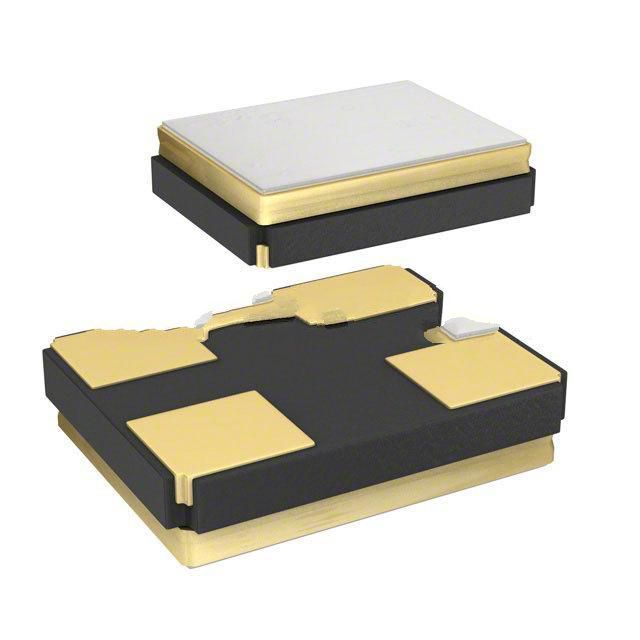
OSCILLATOR 50.0000MHZ CMOS SMD