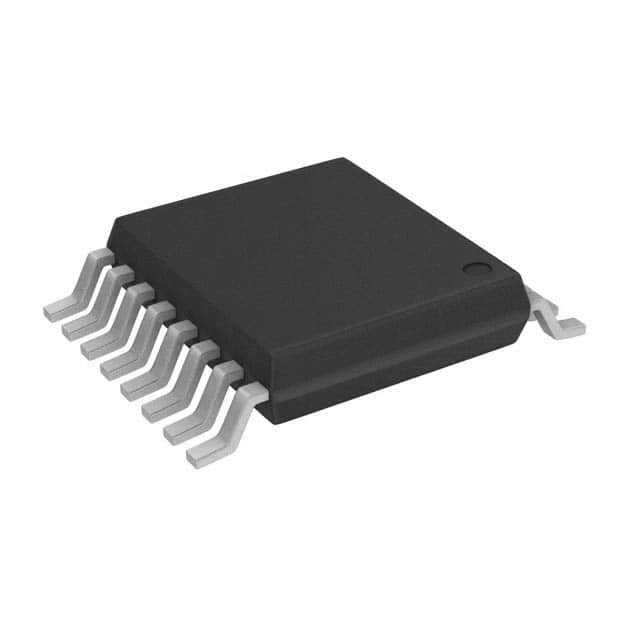
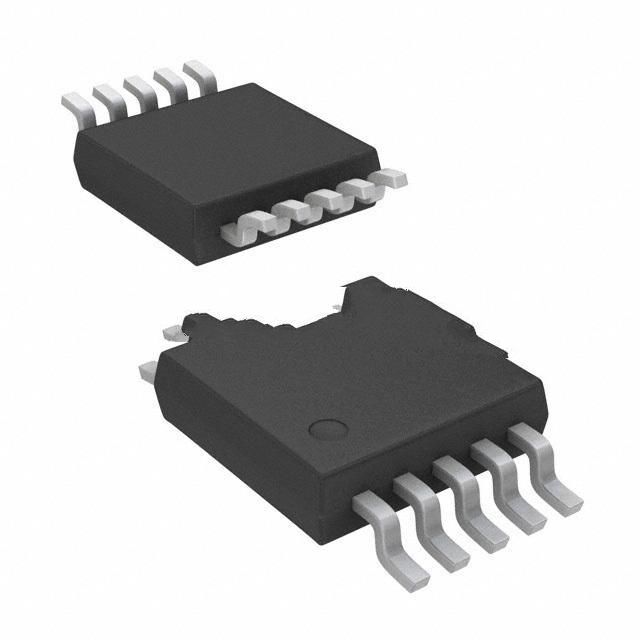
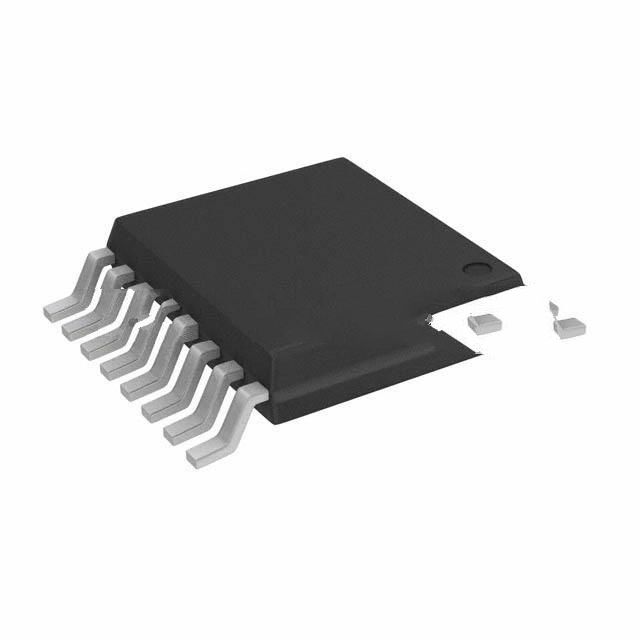
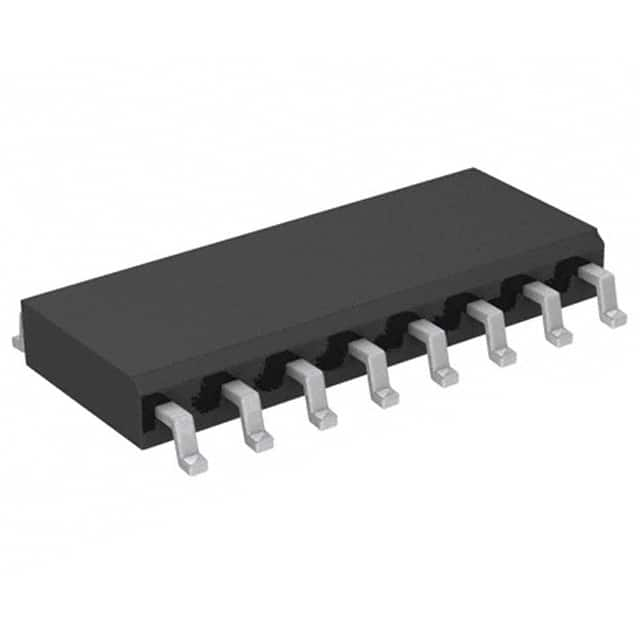
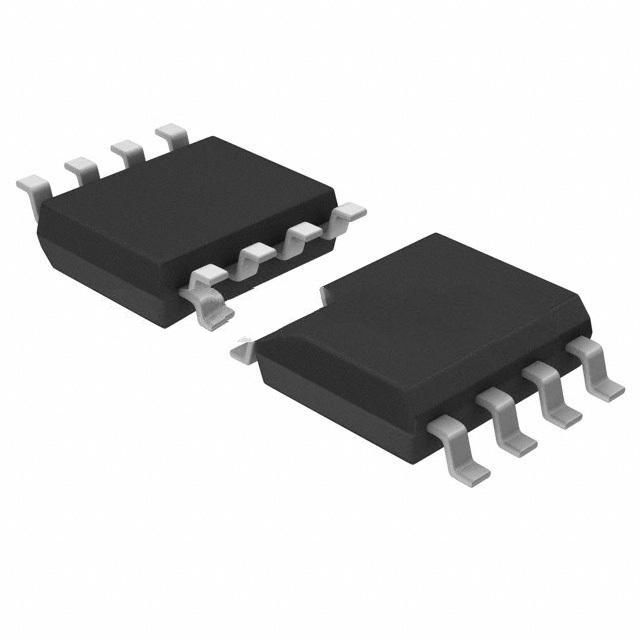
Vishay Siliconix DG2031DQ-T1-E3
- DG2031DQ-T1-E3
- Vishay Siliconix
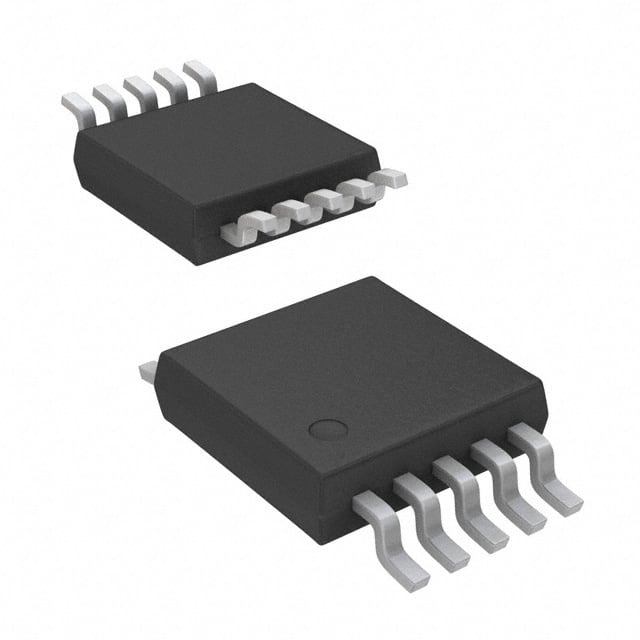
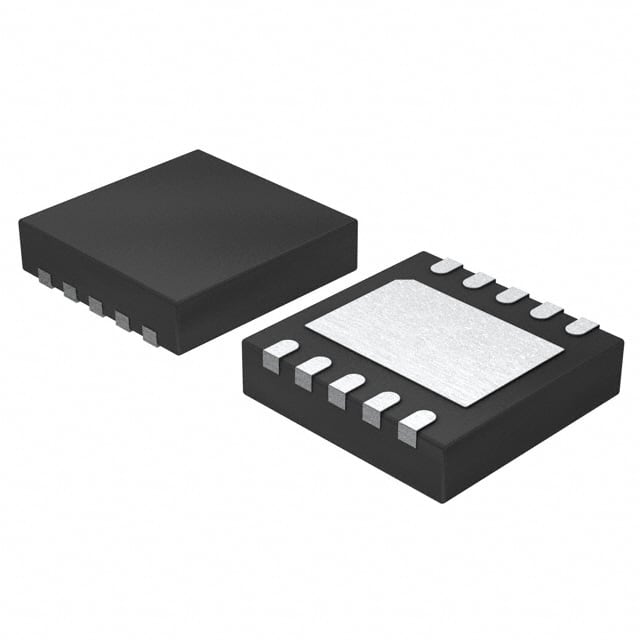
- IC SWITCH DUAL CMOS 10MSOP
- Interface - Analog Switches, Multiplexers, Demultiplexers
- DG2031DQ-T1-E3 Datasheet
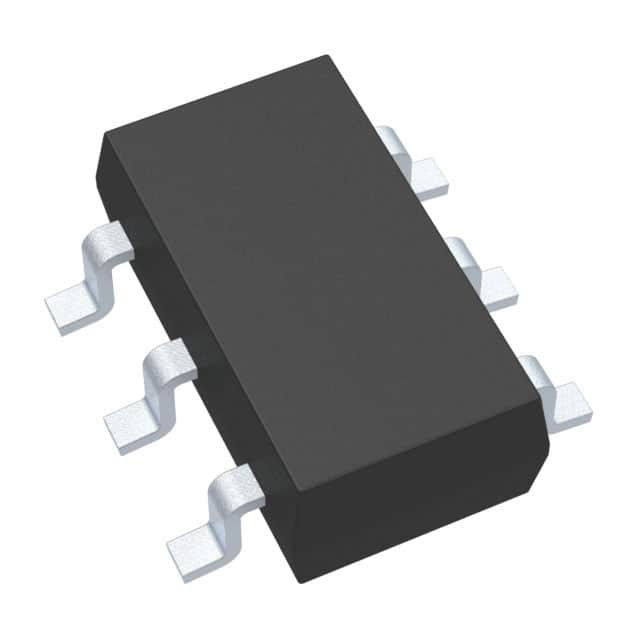
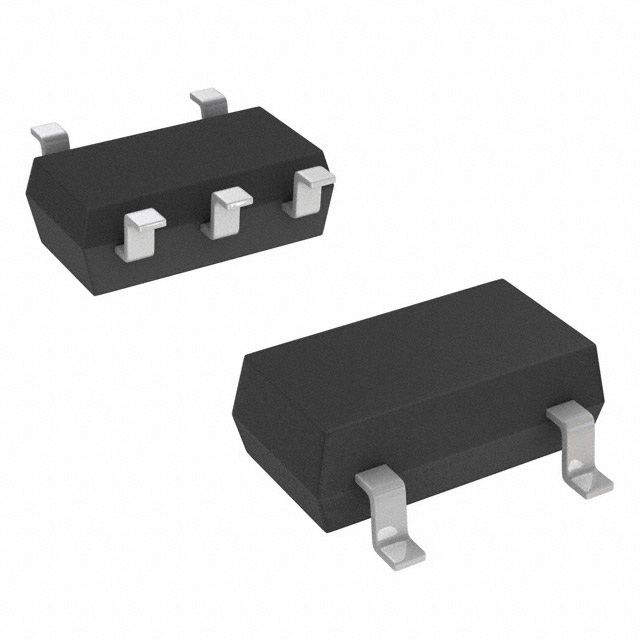
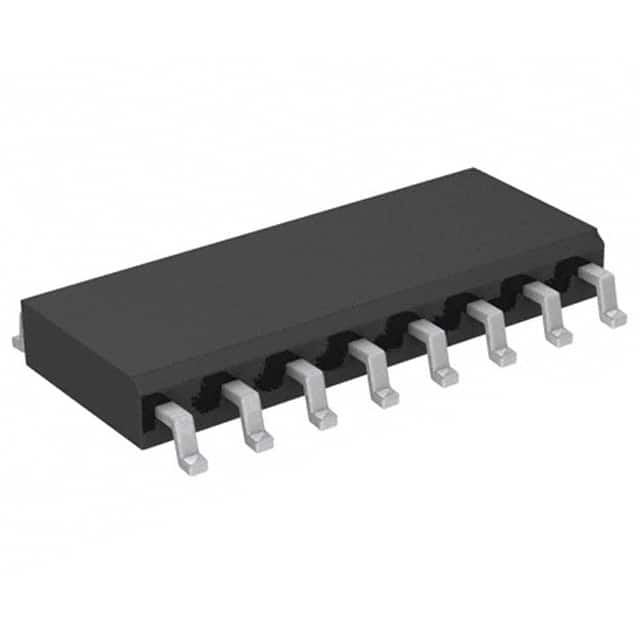
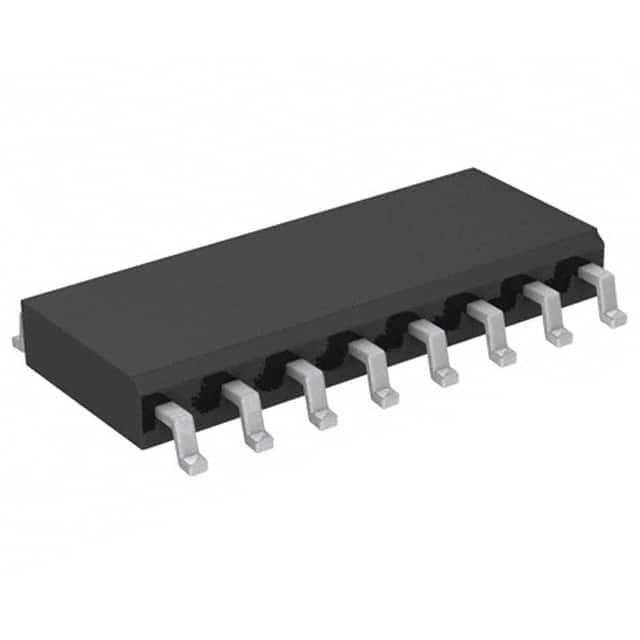
- 10-TFSOP, 10-MSOP (0.118\", 3.00mm Width)
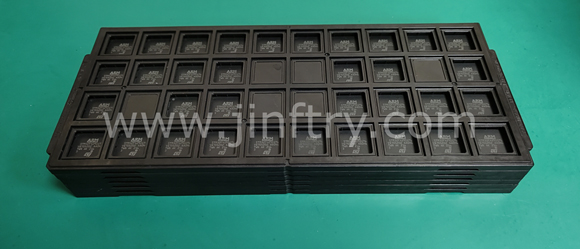
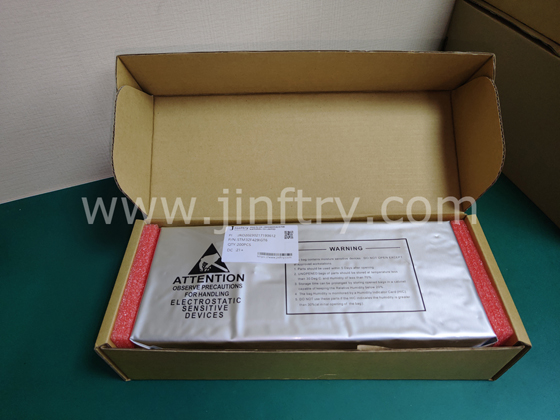
- Tape & Reel (TR)
-
Lead free / RoHS Compliant - 8945
- Spot Inventory / Athorized Dstributor / Factory Excess Stock
- 1 year quality assurance 》
- Click to get rates
What is DG2031DQ-T1-E3
Vishay Siliconix Part Number DG2031DQ-T1-E3(Interface - Analog Switches, Multiplexers, Demultiplexers), developed and manufactured by Vishay Siliconix, distributed globally by Jinftry. We distribute various electronic components from world-renowned brands and provide one-stop services, making us a trusted global electronic component distributor.
DG2031DQ-T1-E3 is one of the part numbers distributed by Jinftry, and you can learn about its specifications/configurations, package/case, Datasheet, and other information here. Electronic components are affected by supply and demand, and prices fluctuate frequently. If you have a demand, please do not hesitate to send us an RFQ or email us immediately [email protected] Please inquire about the real-time unit price, Data Code, Lead time, payment terms, and any other information you would like to know. We will do our best to provide you with a quotation and reply as soon as possible.
DG2031DQ-T1-E3 Specifications
- Part NumberDG2031DQ-T1-E3
- CategoryInterface - Analog Switches, Multiplexers, Demultiplexers
- ManufacturerVishay Siliconix
- DescriptionIC SWITCH DUAL CMOS 10MSOP
- PackageTape & Reel (TR)
- Series-
- Operating Temperature-40°C ~ 85°C (TA)
- Mounting TypeSurface Mount
- Package / Case10-TFSOP, 10-MSOP (0.118\", 3.00mm Width)
- Supplier Device Package10-MSOP
- Number of Circuits2
- On-State Resistance (Max)750mOhm
- Voltage - Supply, Single (V+)1.8V ~ 5.5V
- Multiplexer/Demultiplexer Circuit2:1
- Switch CircuitSPDT
- -3db Bandwidth-
- Voltage - Supply, Dual (V±)-
- Switch Time (Ton, Toff) (Max)58ns, 49ns
- Charge Injection4pC
- Channel Capacitance (CS(off), CD(off))117pF
- Current - Leakage (IS(off)) (Max)1nA
- Crosstalk-71dB @ 1MHz
- Channel-to-Channel Matching (ΔRon)50mOhm (Max)
Application of DG2031DQ-T1-E3
DG2031DQ-T1-E3 Datasheet
DG2031DQ-T1-E3 Datasheet , Tape & Reel (TR),-40°C ~ 85°C (TA),Surface Mount,10-TFSOP, 10-MSOP (0.118\", 3.00mm Width),10-MSOP,2,750mOhm,1.8V ~ 5.5V,2:1,SPDT,58ns, 49ns,4pC,117pF,1nA,-71dB @ 1MHz,50mOhm (Max)
DG2031DQ-T1-E3 Classification
Interface - Analog Switches, Multiplexers, Demultiplexers
FAQ about Interface - Analog Switches, Multiplexers, Demultiplexers
-
1. What is an analog multiplexer?
An analog multiplexer is a device that can receive multiple input signals and combine these signals into one output signal according to certain rules. It combines multiple signals into one signal through a shared medium, thereby realizing signal multiplexing transmission. Analog multiplexers are widely used in communication systems, especially in television and radio transmission, where multiple signals are combined according to frequency division through frequency division multiplexing technology, and then transmitted through shared channels.
What is the difference between a multiplexer and an analog switch?
The main differences between a multiplexer and an analog switch are application scenarios, number of channels and signal processing capabilities.
Application scenarios and number of channels
Multiplexer: Mainly used in applications with a large number of channels, such as 4:1, 8:1, 16:1, etc. It can receive multiple input signals and synthesize a single output signal in a predetermined order, which is suitable for scenarios where multiple signals need to be processed simultaneously.
Analog switch: Mainly used in scenarios with a small number of channels, such as SPST (single pole single throw), SPDT (single pole double throw), etc. It is mainly used for channel selection or gear switching, and is suitable for scenarios where each channel needs to be controlled separately.
Signal processing capabilities
Multiplexer: It can process multiple input signals at the same time, divide each input signal into a series of time slices through time division multiplexing (TDM) technology, and transmit them in sequence. It requires high accuracy and stability to ensure accurate data transmission and low bit error rate.
Analog switch: Mainly used for channel selection, it cannot turn on multiple channels at the same time. The switch state of each channel is independent, which is suitable for scenarios where each channel needs to be controlled separately.
-
2. What are the different types of analog switches?
There are mainly the following types of analog switches:
MOSFET switch: an analog switch based on metal-oxide-semiconductor field-effect transistor (MOSFET), suitable for low power consumption, high precision, high speed, large bandwidth and other requirements. MOSFET switches have the characteristics of low on-resistance, high off-resistance, high switching speed and low power consumption, and are widely used in audio amplifiers, video processing, data acquisition and other aspects.
Bidirectional diode switch: an analog switch based on PNP/NPN bidirectional diode, suitable for low voltage, low speed and other requirements. Bidirectional diode switches have the advantages of low on-resistance, high off-resistance and low temperature saturation current, and are often used in analog signal selection, matching networks and other aspects.
CMOS switch: an analog switch based on complementary metal oxide semiconductor (CMOS), with the characteristics of low power consumption and high-speed switching, suitable for occasions requiring low power consumption and high speed.
JFET switch: an analog switch based on junction field effect transistor (JFET), suitable for applications requiring high input impedance and low noise.
BiCMOS switch: an analog switch based on bipolar complementary metal oxide semiconductor (BiCMOS), combining the advantages of bipolar transistors and CMOS, suitable for applications requiring high speed and high precision.
MEMS switch: An analog switch based on microelectromechanical systems (MEMS), suitable for applications that require miniaturization and high reliability. -
3. What are multiplexers and demultiplexers used for?
Multiplexers and demultiplexers are mainly used for sharing communication channels and data transmission.
Multiplexer (MUX)
A multiplexer (MUX) is a device that is able to combine multiple input signals into a single output signal, thereby transmitting multiple data streams on a single communication channel. Its main functions include:
Signal merging: Combine multiple input signals into one output signal for transmission over a single communication channel.
Frequency division multiplexing (FDM): In frequency division multiplexing, the spectrum is divided into multiple logical channels, each user occupies one channel exclusively, and the signal is modulated onto a different carrier frequency.
Time division multiplexing (TDM): In time division multiplexing, time is divided into multiple time periods, each time period is assigned to a different signal, and is usually used for digital communications.
Demultiplexer (DeMUX)
Demultiplexer (DeMUX) is the opposite of multiplexer. It decomposes the received composite signal into multiple output signals, each corresponding to an original input signal. Its main functions include:
Signal decomposition: Decompose the composite signal into multiple output signals, each corresponding to an original input signal.
Frequency division multiplexing (FDM): At the receiving end, the demultiplexer separates the composite signal into signals of each frequency, and then transmits them to the corresponding users respectively.
Time Division Multiplexing (TDM): At the receiving end, the demultiplexer separates the composite signal according to the allocation of time periods to ensure that the signal in each time period is correctly transmitted.
We are a professional PCB manufacturer who offers comprehensive PCB manufacturing services including: professional Ceramic PCB HDI PCB Heavy Copper PCB High-TG PCB High Speed PCB High Frequency PCB Metal Core PCB PCB fabrication and PCB assembly, providing fast turnaround prototypes for high-end products.
• Prompt Responsiveness
• Guaranteed Quality
• Global Access
• Competitive Market Price
• One-Stop support services of supply chain
Jinftry, Your most trustworthy component supplier, welcome to send us the inquiry, thank you!
Do you have any questions about DG2031DQ-T1-E3 ?
Feel free to contact us: