Texas Instruments DM3730CUSA
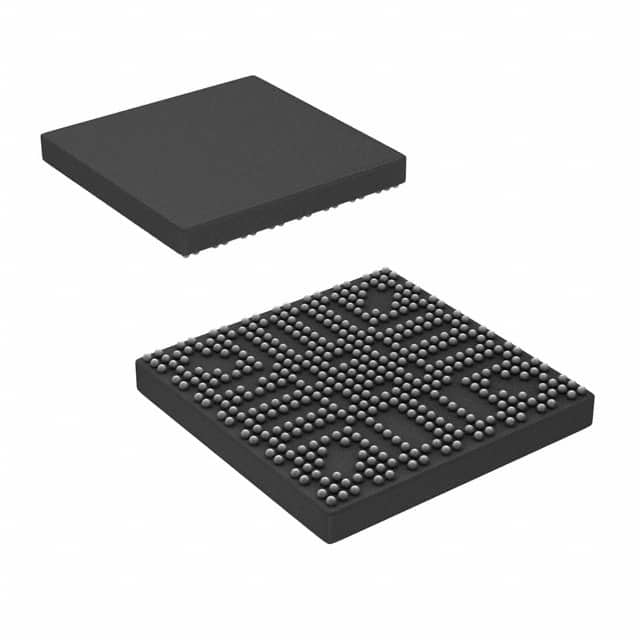
The picture is for reference only, please refer to the product specification
- DM3730CUSA
- Texas Instruments
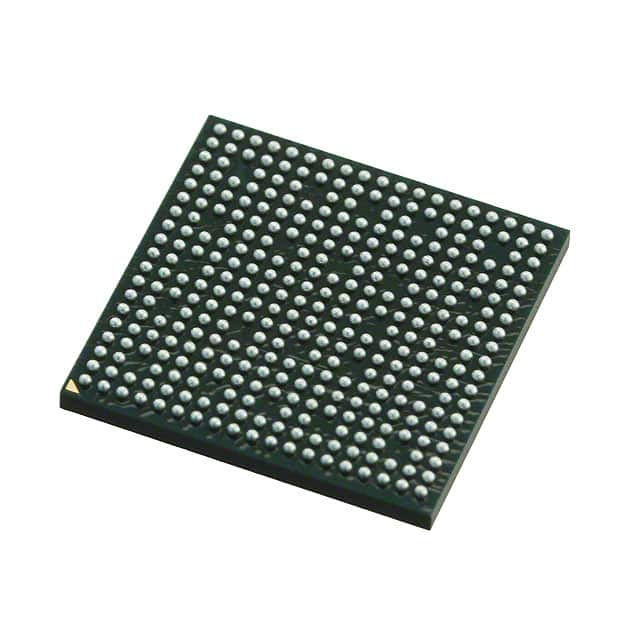
- IC DGTL MEDIA PROCESSOR 423FCBGA
- Embedded - DSP (Digital Signal Processors)
- DM3730CUSA Datasheet
- 423-LFBGA, FCBGA
- Tray
-
 Lead free / RoHS Compliant
 - 22644
- Spot Inventory / Athorized Dstributor / Factory Excess Stock
- 1 year quality assurance 》
- Click to get rates


What is DM3730CUSA
Texas Instruments Part Number DM3730CUSA(Embedded - DSP (Digital Signal Processors)), developed and manufactured by Texas Instruments, distributed globally by Jinftry. We distribute various electronic components from world-renowned brands and provide one-stop services, making us a trusted global electronic component distributor.
DM3730CUSA is one of the part numbers distributed by Jinftry, and you can learn about its specifications/configurations, package/case, Datasheet, and other information here. Electronic components are affected by supply and demand, and prices fluctuate frequently. If you have a demand, please do not hesitate to send us an RFQ or email us immediately [email protected] Please inquire about the real-time unit price, Data Code, Lead time, payment terms, and any other information you would like to know. We will do our best to provide you with a quotation and reply as soon as possible.
DM3730CUSA Specifications
- Part NumberDM3730CUSA
- CategoryEmbedded - DSP (Digital Signal Processors)
- ManufacturerTexas Instruments
- DescriptionIC DGTL MEDIA PROCESSOR 423FCBGA
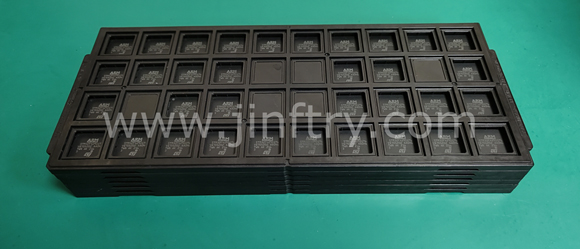
- PackageTray
- SeriesTMS320DM37x, DaVinci™
- TypeJinftrytal Media System-on-Chip (DMSoC)
- Interface1-Wire®, EBI/EMI, I²C, McBSP, McSPI, MMC/SD, UART, USB, USB OTG
- Operating Temperature-40°C ~ 105°C (TJ)
- Mounting TypeSurface Mount
- Package / Case423-LFBGA, FCBGA
- Supplier Device Package423-FCBGA (16x16)
- Clock Rate800MHz
- Non-Volatile MemoryROM (32kB)
- On-Chip RAM384kB
- Voltage - I/O1.80V
- Voltage - Core1.10V
Application of DM3730CUSA
DM3730CUSA Datasheet
DM3730CUSA Datasheet , Tray,TMS320DM37x, DaVinci™,Jinftrytal Media System-on-Chip (DMSoC),1-Wire®, EBI/EMI, I²C, McBSP, McSPI, MMC/SD, UART, USB, USB OTG,-40°C ~ 105°C (TJ),Surface Mount,423-LFBGA, FCBGA,423-FCBGA
DM3730CUSA Classification
Embedded - DSP (Digital Signal Processors)
FAQ about Embedded - DSP (Digital Signal Processors)
-
1. What are the two types of DSP?
DSP (digital signal processor) is mainly divided into two types: fixed-point DSP and floating-point DSP. The main difference between fixed-point DSP and floating-point DSP is that they process data in different ways and formats.
Fixed-point DSP uses fixed-point number format for calculation. This format directly stores data and exponents in integer form in memory, eliminating multiplication and division operations in floating-point operations, thereby increasing the calculation speed. Fixed-point DSP chips are relatively low in price and power consumption, but the calculation accuracy is relatively low.
Floating-point DSP uses floating-point format for calculations. This format can represent large or small numbers, with high calculation accuracy, and is suitable for occasions that require high-precision calculations. However, floating-point DSP chips are expensive and consume a lot of power. -
2. What are the disadvantages of DSP in embedded systems?
The main disadvantages of DSP in embedded systems include sound quality problems, high resource consumption, high development difficulty and high cost.
First of all, the disadvantages of DSP in embedded systems are mainly reflected in the following aspects:
Sound quality problem: DSP is a device that integrates multiple audio processing functions. In order to pursue high reliability, it usually uses a lower version of Bluetooth technology, such as Bluetooth 4.2, which may result in the sound quality not as expected and affect the audio quality.
High resource consumption: DSP requires high computing power and complex algorithms when processing signals, which will lead to a large consumption of system resources and may affect the normal operation of other functions.
High development difficulty: DSP development requires in-depth knowledge of digital signal processing, and different hardware platform tools are not unified, which increases the complexity and difficulty of development.
High cost: Since DSP chips and related development tools are relatively professional, their cost is relatively high and not suitable for all application scenarios.
What is an embedded system signal?
Embedded system signals are a simulation of the interrupt mechanism at the software level and an asynchronous communication method. Signals can directly interact between user space processes and kernel processes, and kernel processes can also use them to notify user space processes of system events. If the process is not currently in execution, the signal is saved by the kernel until the process resumes execution and then passed to it; if a signal is set to block by the process, the transmission of the signal is delayed until its blockage is canceled and it is passed to the process.
What is a DSP processor?
A DSP processor, or digital signal processor, is a computer chip specifically used to process digital signals. This processor has the characteristics of high performance, low power consumption and programmability, and is widely used in audio, video, communication, radar and industrial control.
The working principle of DSP processor mainly includes receiving analog signals from external input, converting them into digital signals, then performing calculations on the digital signals, and finally interpreting the digital data back to analog data or actual environment formats in other system chips. Its main feature is high-speed real-time processing, which can extract and process information in a high-speed real-time environment. It is widely used in key areas of industry and military, such as radar signal processing and communication base station signal processing.
-
3. What are the three types of signal processors (DSP)?
There are three main types of signal processors (DSP): enhanced DSP, VLIW structure, superscalar architecture, and SIMD structure hybrid structure.
Enhanced DSP: This DSP has a highly optimized instruction set and structure that can quickly execute common signal processing algorithms. They are often used in applications that require high-speed signal processing.
VLIW structure: DSP with VLIW (Very Long Instruction Word) structure can execute multiple instructions in one cycle, thereby increasing processing speed. This structure is suitable for applications that require high parallel processing capabilities.
Superscalar architecture and SIMD structure hybrid structure: These structures combine the advantages of superscalar and SIMD (Single Instruction Multiple Data) technologies, can process multiple data in a single instruction cycle, and are suitable for application scenarios that require high-performance computing.
We are a professional PCB manufacturer who offers comprehensive PCB manufacturing services including: professional Ceramic PCB HDI PCB Heavy Copper PCB High-TG PCB High Speed PCB High Frequency PCB Metal Core PCB PCB fabrication and PCB assembly, providing fast turnaround prototypes for high-end products.



• Prompt Responsiveness
• Guaranteed Quality
• Global Access
• Competitive Market Price
• One-Stop support services of supply chain
Jinftry, Your most trustworthy component supplier, welcome to send us the inquiry, thank you!
Do you have any questions about DM3730CUSA ?
Feel free to contact us:
DM3730CUSA Related Products
IC DSP CONTROLLER 16BIT 100LQFP
IC DSP CONTROLLER 16BIT 100LQFP
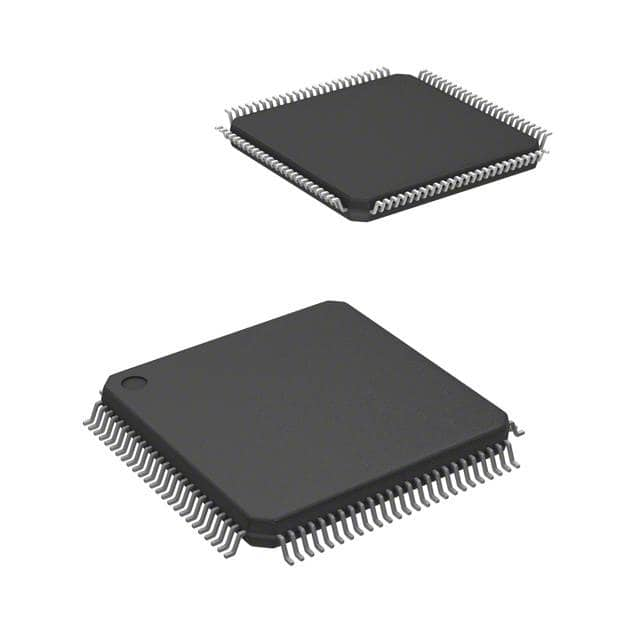
IC DSP CONTROLLER 16BIT 100-LQFP
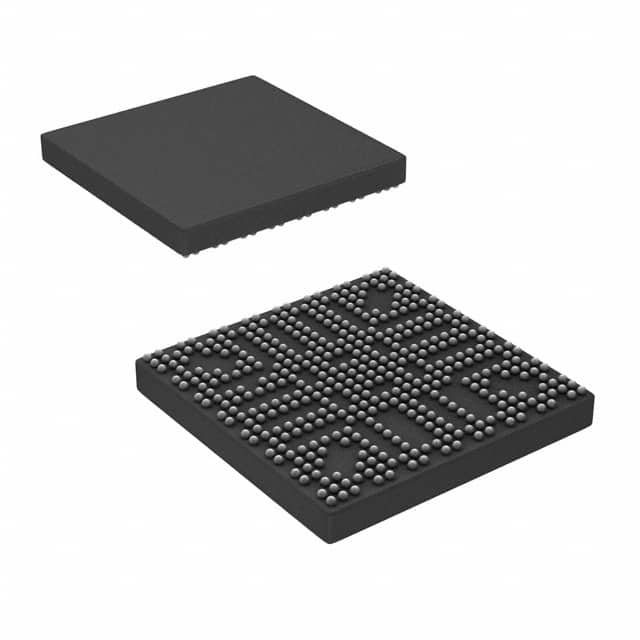
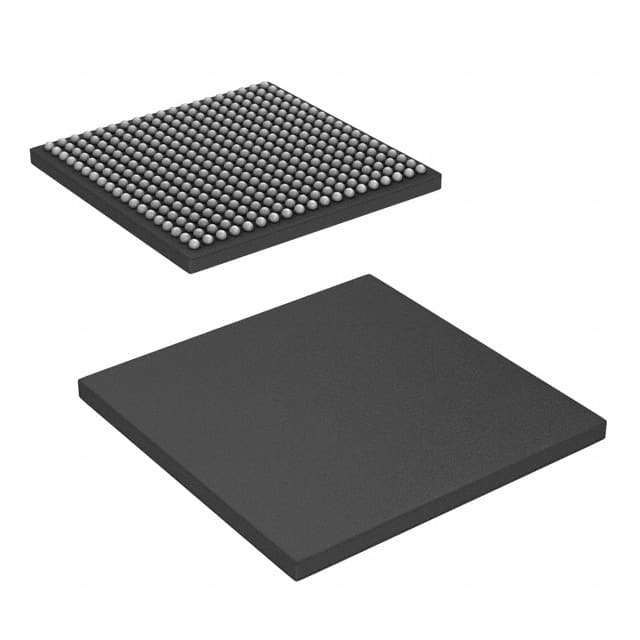
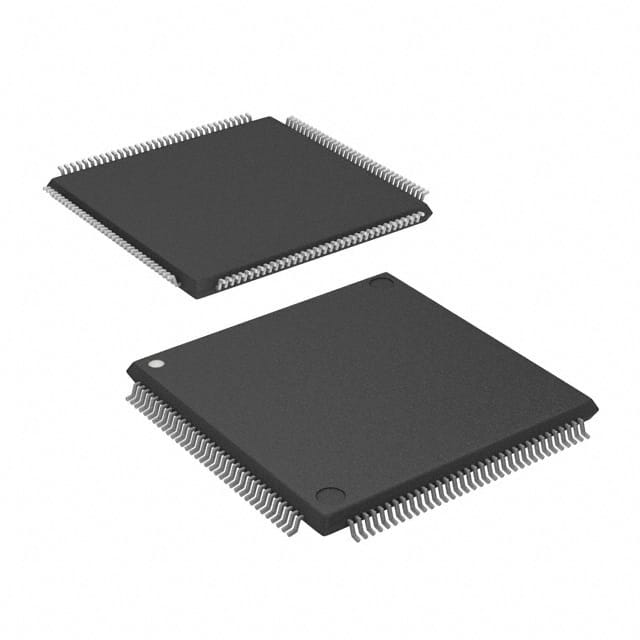
IC DSP FIX PT 120-MIPS 144-LQFP