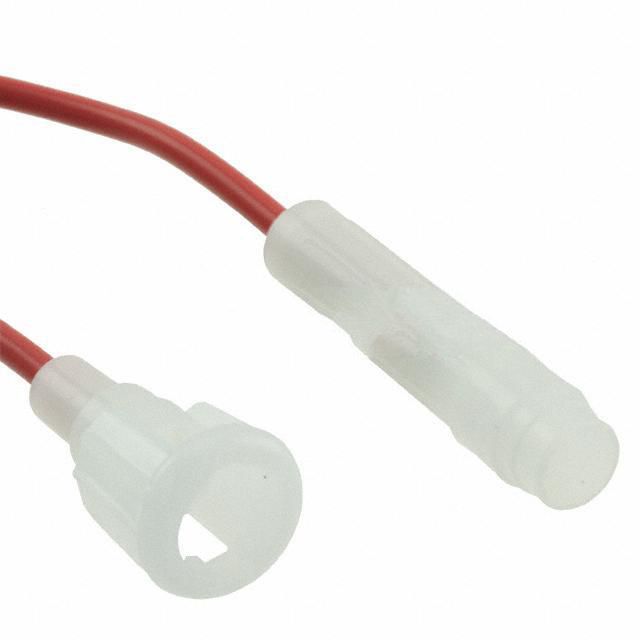
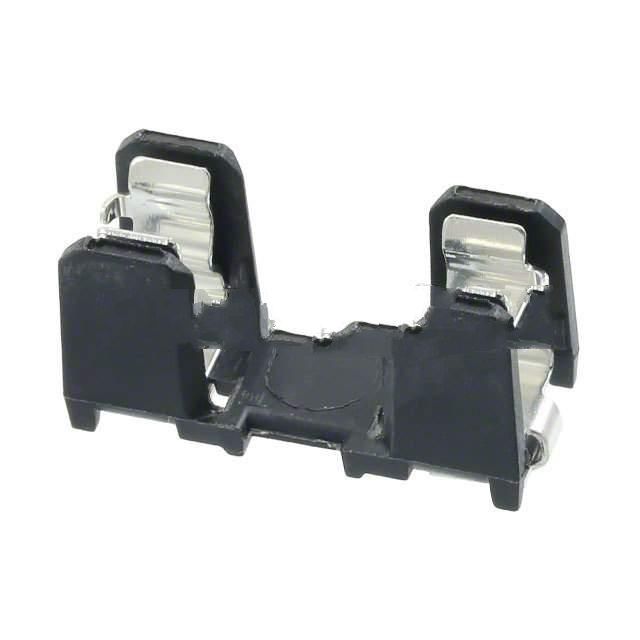
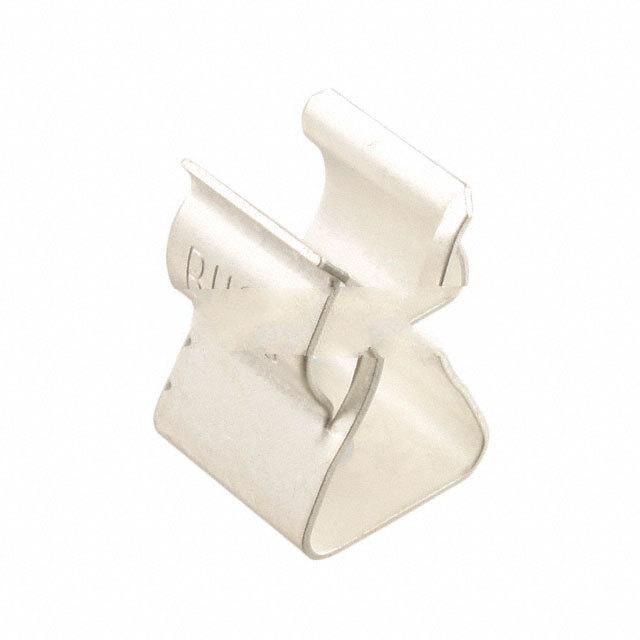
Eaton FRS-R-6-1/4
The picture is for reference only, please refer to the product specification
- FRS-R-6-1/4
- Eaton
- FUSE TRON DUAL ELEMENT FUSE CLAS
- Electrical, Specialty Fuses
- FRS-R-6-1/4 Datasheet
- Cartridge, Non-Standard
- Cartridge, Non-Standard
-
 Lead free / RoHS Compliant
 - 1354
- Spot Inventory / Athorized Dstributor / Factory Excess Stock
- 1 year quality assurance 》
- Click to get rates


What is FRS-R-6-1/4
Eaton Part Number FRS-R-6-1/4(Electrical, Specialty Fuses), developed and manufactured by Eaton, distributed globally by Jinftry. We distribute various electronic components from world-renowned brands and provide one-stop services, making us a trusted global electronic component distributor.
FRS-R-6-1/4 is one of the part numbers distributed by Jinftry, and you can learn about its specifications/configurations, package/case, Datasheet, and other information here. Electronic components are affected by supply and demand, and prices fluctuate frequently. If you have a demand, please do not hesitate to send us an RFQ or email us immediately [email protected] Please inquire about the real-time unit price, Data Code, Lead time, payment terms, and any other information you would like to know. We will do our best to provide you with a quotation and reply as soon as possible.
FRS-R-6-1/4 Specifications
- Part NumberFRS-R-6-1/4
- CategoryElectrical, Specialty Fuses
- ManufacturerEaton
- DescriptionFUSE TRON DUAL ELEMENT FUSE CLAS
- PackageCartridge, Non-Standard
- SeriesFusetron? FRS-R
- Mounting TypeHolder
- Package / CaseCartridge, Non-Standard
- ApplicationsElectrical, Industrial
- Size / Dimension0.810" Dia x 3.00" L (20.57mm x 76.20mm)
- Current Rating6.25A
- Fuse TypeCartridge
- Voltage Rating - AC600V
- Breaking Capacity @ Rated Voltage200kA AC, 20kA DC
- Voltage Rating - DC300V
- Response TimeSlow
- ApprovalsCE, CSA, UL
- ClassRK5
FRS-R-6-1/4 Datasheet
FRS-R-6-1/4 Datasheet , Cartridge, Non-Standard,Fusetron? FRS-R,Holder,Cartridge, Non-Standard,Electrical, Industrial,0.810" Dia x 3.00" L (20.57mm x 76.20mm),6.25A,Cartridge,600V,200kA AC, 20kA DC,300V,Slow,CE, CSA, UL,RK5
FRS-R-6-1/4 Classification
FAQ about Electrical, Specialty Fuses
-
1. What are the different types of electrical fuses?
There are many types of electrical fuses, mainly including the following:
Current fuse: This is the most common type of fuse and is used for overload protection. When the current in the circuit exceeds the predetermined value, the current fuse will quickly melt and cut off the circuit to protect the appliance and circuit from damage. There are many types of current fuses, such as micro fuses, chip fuses, plug fuses and tubular fuses, which are suitable for different circuits and equipment.
Temperature fuse: This is a non-recoverable one-time thermal protection device, which is divided into series such as RH square, RP resistor type and RY metal shell. Temperature fuses play a vital role in electrical appliances, which can resist current surges and ensure the safe operation of equipment in high temperature environments. They are commonly used in electric fans, rice cookers, electric frying pans and other equipment.
Resettable fuse: When the circuit is open due to excessive current, the resettable fuse can restore the circuit to normal. This type of fuse is also used in electronic equipment, especially in occasions where the circuit needs to be restored quickly.
Fast-blow fuse: This type of fuse has a fast melting speed and is suitable for occasions where the circuit needs to be cut off quickly, such as power protection in electronic equipment.
Slow-blow fuse: It has a certain impact resistance and is suitable for equipment with large starting current, such as the current shock when the motor starts. Slow-blow fuses allow higher currents to pass through in a short time, but the melting time is longer, and are suitable for inductive circuits.
High-voltage fuse: This type of fuse is suitable for high-voltage transmission lines and substations, with higher rated voltages, such as 10kV, 35kV, etc. -
2. What does an electrical fuse do?
The main function of an electrical fuse is to provide overload protection. When the current in the circuit exceeds the set safety value, the fuse will automatically melt, thereby cutting off the circuit to prevent equipment damage and fire. Its working principle is based on the fusing characteristics of metal wire, and the protection function is achieved through the thermal effect of current.
Specifically, the fuse plays the following roles in the circuit:
Overcurrent protection: When an abnormal situation such as overload or short circuit occurs in the circuit, the current will increase sharply, and the fuse will quickly melt and cut off the power supply, thereby preventing the excessive current from damaging the internal components of the circuit.
Prevent fire and safety accidents: When the current is too high, the circuit may generate high temperature and even cause a fire. The fuse cuts off the current by melting, effectively preventing fire or other safety accidents caused by excessive current.
Protect internal components: The fusing of the fuse can cut off the power supply in time, avoid the irreversible damage of excessive current to the precision components in the circuit (such as power modules, motherboards, etc.), and extend the service life of the equipment.
Ensure user safety: In the case of unstable external power supply or improper operation, the fuse can quickly cut off the circuit to avoid electric shock or other personal safety accidents caused by abnormal current. -
3. What are the grades of fuses?
The grades of fuses are mainly distinguished according to their rated current, rated voltage and breaking capacity. Here are several common fuse grades and their characteristics:
Rated current:
Small fuse: The rated current is usually between 1-40 amps and is suitable for low-power electronic devices. For example, 2A fuses are usually gray, 3A fuses are purple, 4A fuses are pink, and so on.
Medium fuse: The rated current is between 10-120 amps and is suitable for medium-power devices. For example, 10A fuses are red and 15A fuses are blue.
Large fuse: The rated current is above 30-120 amps and is suitable for high-power devices. For example, 30A fuses are green and 40A fuses are dark orange.
Rated voltage:
Low voltage fuse: Usually used in circuits below 125V, suitable for household appliances and low-voltage devices.
High voltage fuse: Suitable for 250V and 600V circuits, commonly used in industrial equipment and high-voltage systems.
Breaking capacity:
Small fuse: The breaking capacity is between 10A-50A and is suitable for low-current devices.
Medium fuse: The breaking capacity is between 1kA-10kA, suitable for medium current equipment.
Large fuse: The breaking capacity is above 10kA, suitable for high current and power systems.
How to choose the specifications of the fuse?
The following key factors need to be considered when selecting the fuse specifications:
Rated current: The rated current of the selected fuse should be slightly higher than the normal working current of the circuit, usually 1.25~1.5 times. For example, if the normal working current of the circuit is 2A, a 2.5A or 3A fuse can be selected.
Rated voltage: The rated voltage of the fuse must be greater than or equal to the working voltage of the circuit. For example, if the circuit voltage is 24V, the rated voltage of the fuse should be at least 24V or higher.
Breaking capacity: The breaking capacity refers to the fault current that the fuse can safely cut off. For high current or high voltage circuits, choose a fuse with a higher breaking capacity (such as a ceramic tube fuse).
Fusing characteristics: Select fast-acting or slow-acting (Time-Delay) fuses according to the protection requirements of the circuit. Fast-acting fuses are suitable for protecting sensitive devices, such as semiconductor components; slow-acting fuses are suitable for circuits with surge currents, such as motors or power circuits.
Temperature and environmental factors: The rated current of the fuse will decrease as the ambient temperature increases, and the appropriate model needs to be selected according to the operating temperature. In high temperature or vibration environments, choose high temperature and vibration-resistant fuses.
Size and packaging: Choose the appropriate size and packaging form according to the installation space, such as plug-in type, patch type, tubular type, etc.
Certification and standards: Choose fuses that meet relevant safety certifications (such as UL, CE, IEC) to ensure their reliability and safety.
We are a professional PCB manufacturer who offers comprehensive PCB manufacturing services including: professional Ceramic PCB HDI PCB Heavy Copper PCB High-TG PCB High Speed PCB High Frequency PCB Metal Core PCB PCB fabrication and PCB assembly, providing fast turnaround prototypes for high-end products.



• Prompt Responsiveness
• Guaranteed Quality
• Global Access
• Competitive Market Price
• One-Stop support services of supply chain
Jinftry, Your most trustworthy component supplier, welcome to send us the inquiry, thank you!
Do you have any questions about FRS-R-6-1/4 ?
Feel free to contact us: