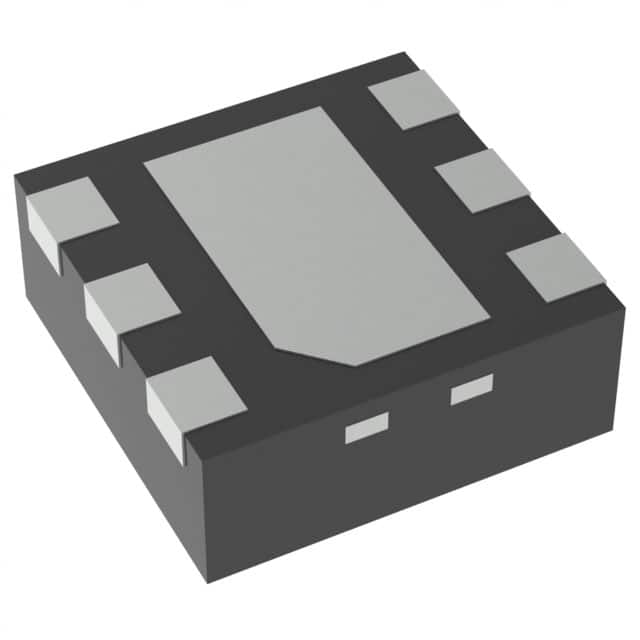
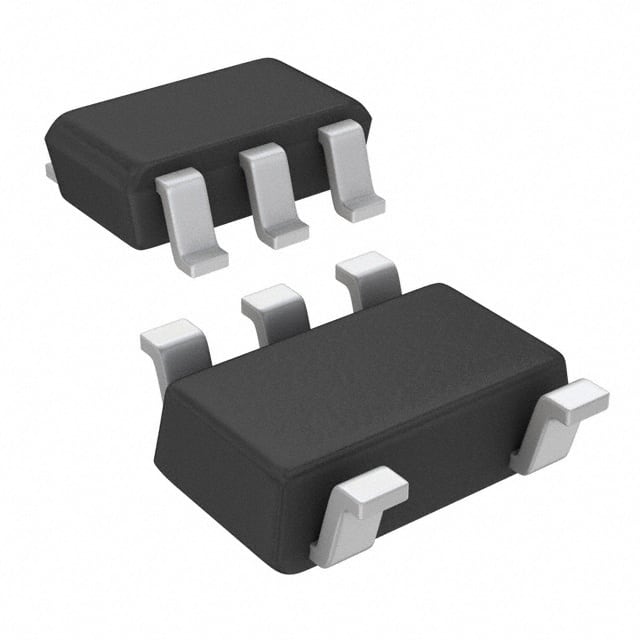
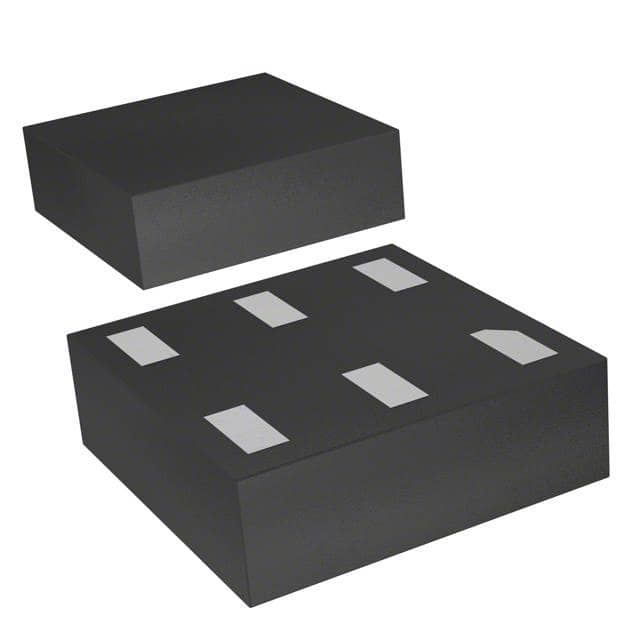
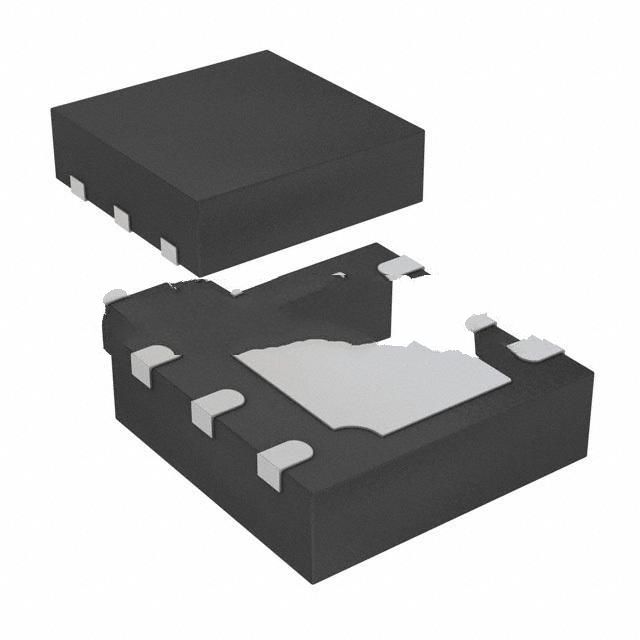
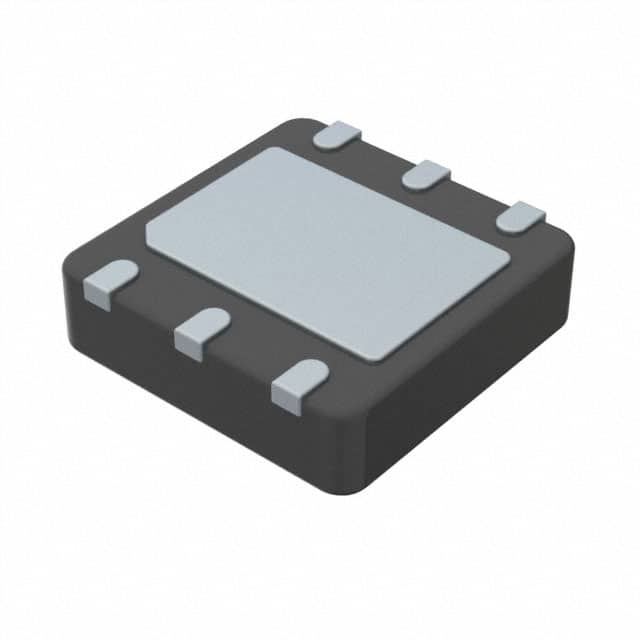
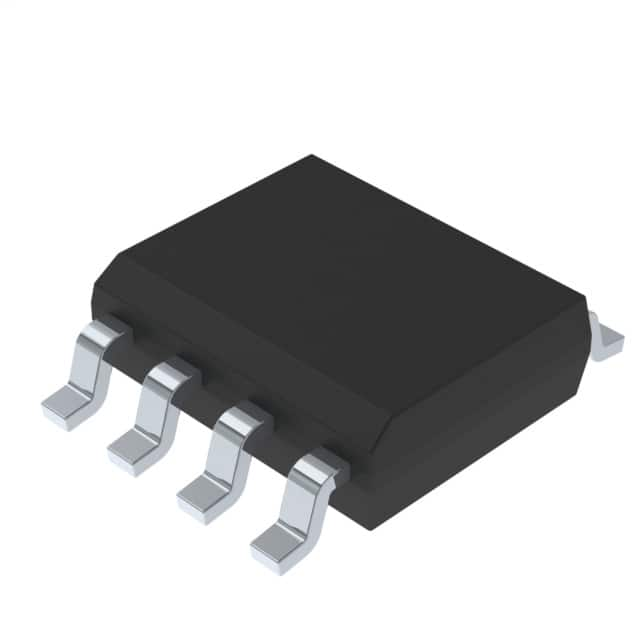
STMicroelectronics LDL212PU50R
- LDL212PU50R
- STMicroelectronics
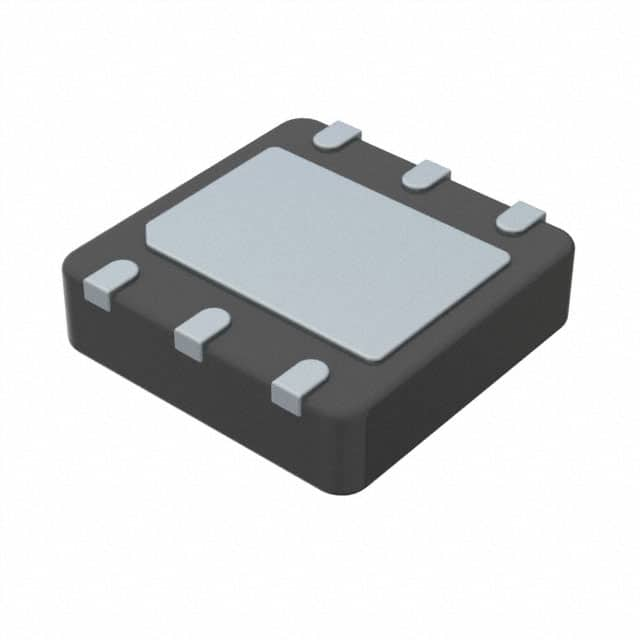
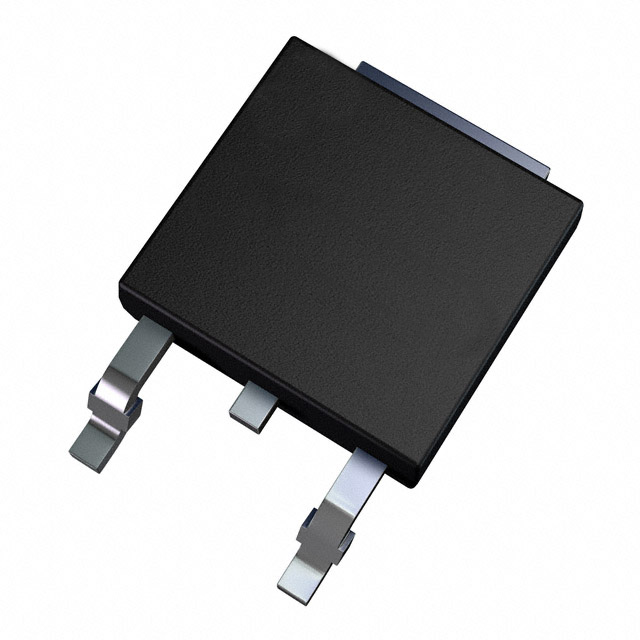
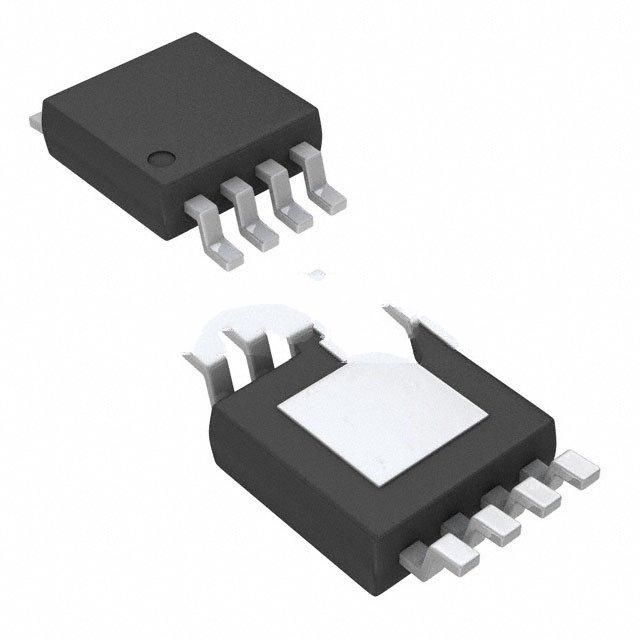
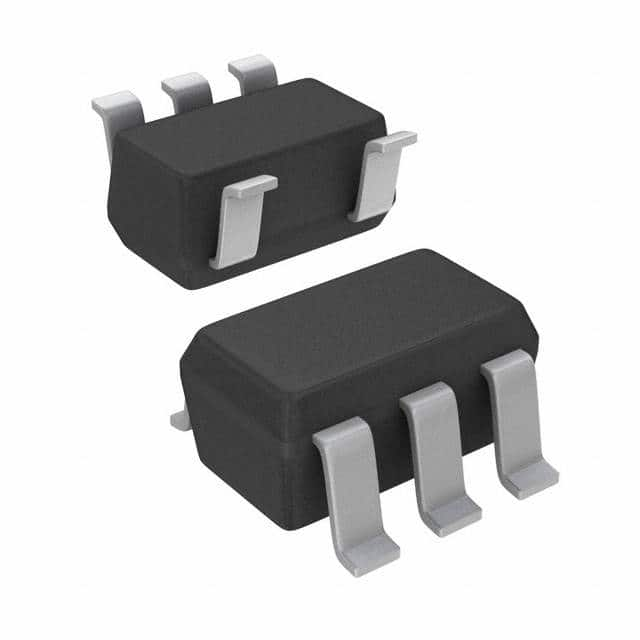
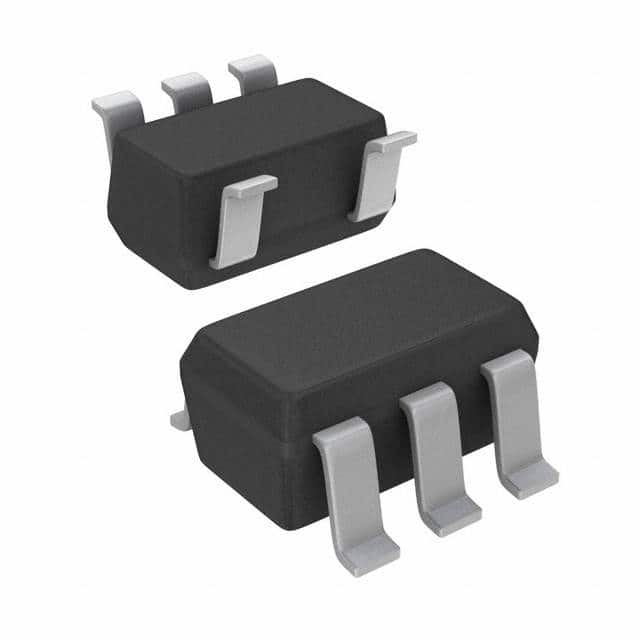
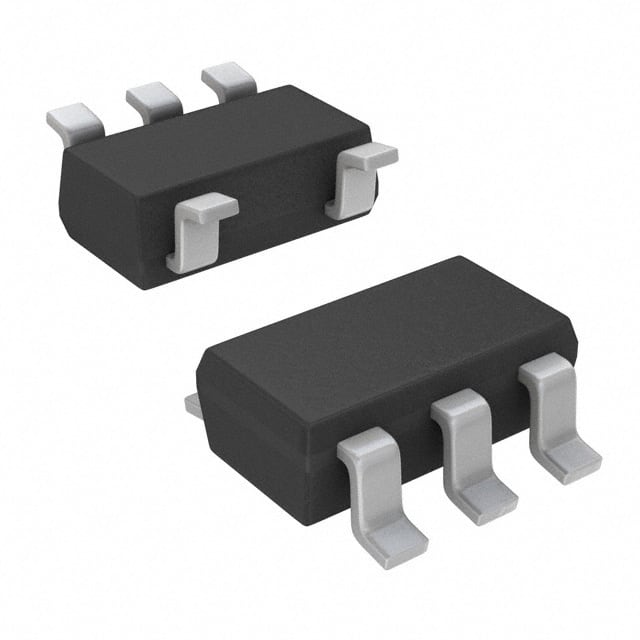
- IC REG LINEAR 5V 1.2A 6DFN
- PMIC - Voltage Regulators - Linear
- LDL212PU50R Datasheet
- 6-VDFN Exposed Pad
- Cut Tape (CT)
-
Lead free / RoHS Compliant - 3181
- Spot Inventory / Athorized Dstributor / Factory Excess Stock
- 1 year quality assurance 》
- Click to get rates
What is LDL212PU50R
STMicroelectronics Part Number LDL212PU50R(PMIC - Voltage Regulators - Linear), developed and manufactured by STMicroelectronics, distributed globally by Jinftry. We distribute various electronic components from world-renowned brands and provide one-stop services, making us a trusted global electronic component distributor.
LDL212PU50R is one of the part numbers distributed by Jinftry, and you can learn about its specifications/configurations, package/case, Datasheet, and other information here. Electronic components are affected by supply and demand, and prices fluctuate frequently. If you have a demand, please do not hesitate to send us an RFQ or email us immediately [email protected] Please inquire about the real-time unit price, Data Code, Lead time, payment terms, and any other information you would like to know. We will do our best to provide you with a quotation and reply as soon as possible.
LDL212PU50R Specifications
- Part NumberLDL212PU50R
- CategoryPMIC - Voltage Regulators - Linear
- ManufacturerSTMicroelectronics
- DescriptionIC REG LINEAR 5V 1.2A 6DFN
- PackageCut Tape (CT)
- Series-
- Operating Temperature-40°C ~ 125°C (TJ)
- Mounting TypeSurface Mount
- Package / Case6-VDFN Exposed Pad
- Supplier Device Package6-DFN (3x3)
- Output TypeFixed
- Voltage - Output (Min/Fixed)5V
- Voltage - Output (Max)-
- Current - Output1.2A
- Output ConfigurationPositive
- Control FeaturesEnable
- Voltage - Input (Max)18V
- Number of Regulators1
- Voltage Dropout (Max)0.6V @ 1.2A
- Current - Quiescent (Iq)380 µA
- Current - Supply (Max)380 µA
- PSRR87dB ~ 50dB (120Hz ~ 100kHz)
- Protection FeaturesOver Current, Over Temperature, Under Voltage Lockout (UVLO)
Application of LDL212PU50R
LDL212PU50R Datasheet
LDL212PU50R Datasheet , Cut Tape (CT),-40°C ~ 125°C (TJ),Surface Mount,6-VDFN Exposed Pad,6-DFN (3x3),Fixed,5V,1.2A,Positive,Enable,18V,1,0.6V @ 1.2A,380 µA,380 µA,87dB ~ 50dB (120Hz ~ 100kHz),Over Current, Over Temperature
LDL212PU50R Classification
PMIC - Voltage Regulators - Linear
FAQ about PMIC - Voltage Regulators - Linear
-
1. What is a linear regulator?
A linear regulator is an electronic device that is primarily used to maintain a specified output voltage stable when the input voltage or load conditions change. It is an important component in electronics that acts as a buffer to protect the components of the circuit from damage. A linear regulator works by using an active device (such as a BJT or MOSFET) controlled by a high-gain amplifier, using the variable conductivity of the active pass device to maintain the output voltage. This regulator acts as a voltage divider to produce a regulated output voltage, where a linear element (such as a resistive load) is used to regulate the output voltage. The transistor stays in its active region of operation during voltage regulation. To maintain a constant output voltage, the internal resistance can be varied, providing a variable resistance by using a transistor controlled by the amplifier feedback loop.
A linear regulator is also called a buck converter, where the output voltage is always -
2. What problems will linear regulators bring to the circuit?
The problems that linear regulators bring to the circuit mainly include low efficiency and a lot of heat.
Linear The main working principle of the voltage regulator is to control the output voltage of the transistor through a current amplifier to keep the output voltage stable. This working mode causes the linear regulator to control the regulating tube through a differential voltage when adjusting the output voltage. The control tube needs to absorb part of the input voltage, which makes the efficiency of the linear regulator relatively low. In practical applications, this means that the linear regulator will convert the difference between the input voltage and the output voltage into heat energy, causing serious heating of the device, especially when the input and output voltage difference is large, this power loss will further increase, causing the device to heat up. -
3. Do linear regulators need capacitors?
Linear regulators usually require capacitors.
The working principle and design requirements of linear regulators determine that they usually require capacitors to ensure stable operation. These capacitors are mainly used to filter and stabilize the output voltage, help reduce output ripple and noise, and thus improve the stability and reliability of the power supply.
Specifically:
1. Input and output capacitors: Linear regulators usually require one or more input capacitors and one output capacitor. These capacitors help smooth the input and output voltages, reduce voltage fluctuations, and thus provide a stable output voltage.
2. Power supply rejection capability: The power supply rejection capability of a linear regulator is an important indicator, which is related to whether it can effectively suppress unwanted signals and avoid interference with the output voltage. If the power supply rejection capability is poor, unnecessary signals may be left behind, affecting the purity of
We are a professional PCB manufacturer who offers comprehensive PCB manufacturing services including: professional Ceramic PCB HDI PCB Heavy Copper PCB High-TG PCB High Speed PCB High Frequency PCB Metal Core PCB PCB fabrication and PCB assembly, providing fast turnaround prototypes for high-end products.
• Prompt Responsiveness
• Guaranteed Quality
• Global Access
• Competitive Market Price
• One-Stop support services of supply chain
Jinftry, Your most trustworthy component supplier, welcome to send us the inquiry, thank you!
Do you have any questions about LDL212PU50R ?
Feel free to contact us: