Texas Instruments LMX2531LQX1778E/NOPB

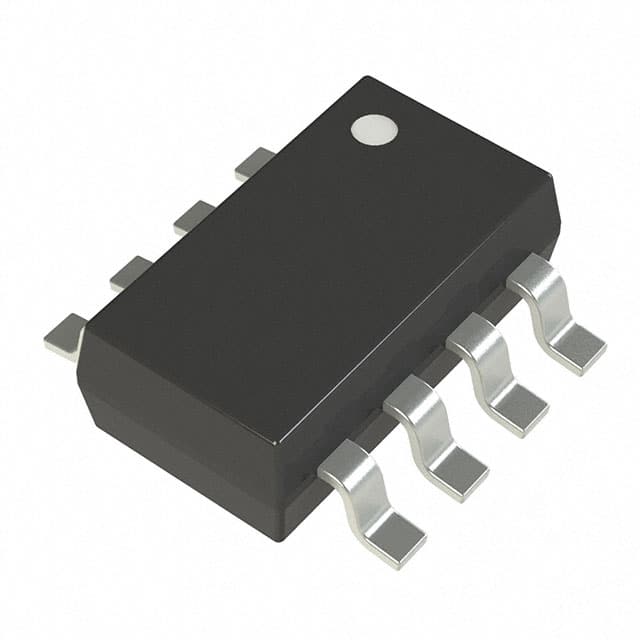
The picture is for reference only, please refer to the product specification
- LMX2531LQX1778E/NOPB
- Texas Instruments
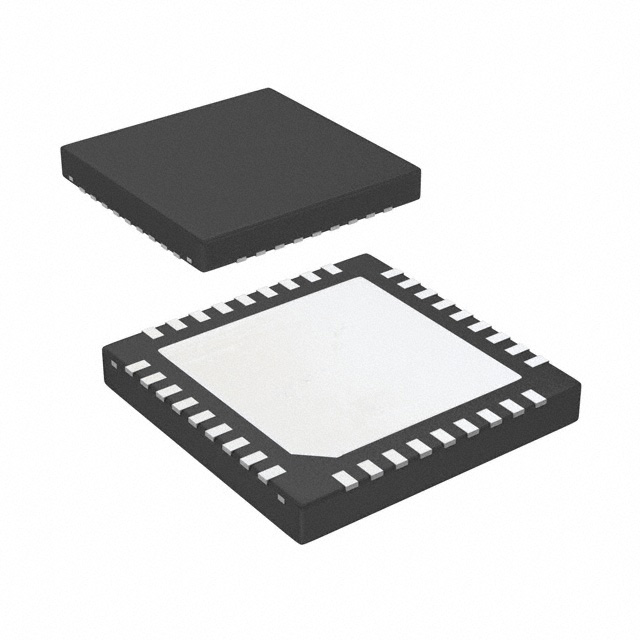
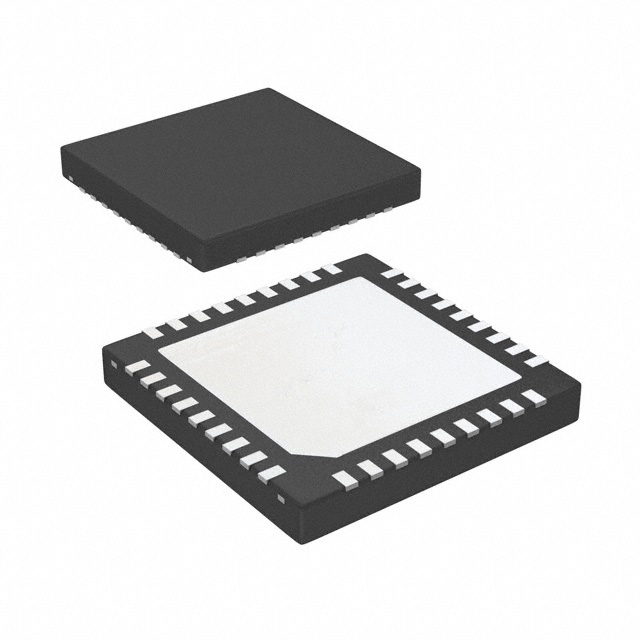
- IC FREQ SYNTH HI PERF VCO 36WQFN
- Clock/Timing - Clock Generators, PLLs, Frequency Synthesizers
- LMX2531LQX1778E/NOPB Datasheet
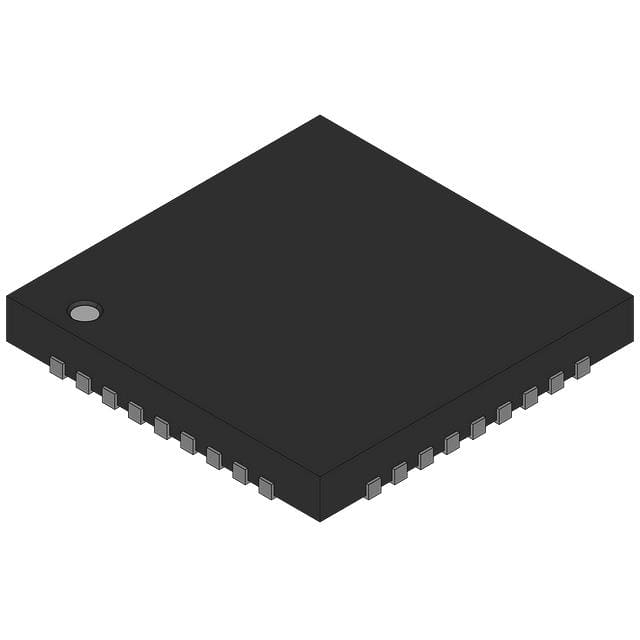
- 36-WFQFN Exposed Pad
- Tape & Reel (TR)
-
 Lead free / RoHS Compliant
 - 4744
- Spot Inventory / Athorized Dstributor / Factory Excess Stock
- 1 year quality assurance 》
- Click to get rates


What is LMX2531LQX1778E/NOPB
Texas Instruments Part Number LMX2531LQX1778E/NOPB(Clock/Timing - Clock Generators, PLLs, Frequency Synthesizers), developed and manufactured by Texas Instruments, distributed globally by Jinftry. We distribute various electronic components from world-renowned brands and provide one-stop services, making us a trusted global electronic component distributor.
LMX2531LQX1778E/NOPB is one of the part numbers distributed by Jinftry, and you can learn about its specifications/configurations, package/case, Datasheet, and other information here. Electronic components are affected by supply and demand, and prices fluctuate frequently. If you have a demand, please do not hesitate to send us an RFQ or email us immediately [email protected] Please inquire about the real-time unit price, Data Code, Lead time, payment terms, and any other information you would like to know. We will do our best to provide you with a quotation and reply as soon as possible.
LMX2531LQX1778E/NOPB Specifications
- Part NumberLMX2531LQX1778E/NOPB
- CategoryClock/Timing - Clock Generators, PLLs, Frequency Synthesizers
- ManufacturerTexas Instruments
- DescriptionIC FREQ SYNTH HI PERF VCO 36WQFN
- PackageTape & Reel (TR)
- Series-
- TypeFrequency Synthesizer (RF)
- Voltage - Supply2.8V ~ 3.2V
- Operating Temperature-40°C ~ 85°C
- Mounting TypeSurface Mount
- Package / Case36-WFQFN Exposed Pad
- Supplier Device Package36-WQFN (6x6)
- OutputCMOS
- Frequency - Max1.84GHz
- Number of Circuits1
- InputClock
- PLLYes
- Ratio - Input:Output2:2
- Differential - Input:OutputNo/No
- Divider/MultiplierYes/No
Application of LMX2531LQX1778E/NOPB
LMX2531LQX1778E/NOPB Datasheet
LMX2531LQX1778E/NOPB Datasheet , Tape & Reel (TR),Frequency Synthesizer (RF),2.8V ~ 3.2V,-40°C ~ 85°C,Surface Mount,36-WFQFN Exposed Pad,36-WQFN (6x6),CMOS,1.84GHz,1,Clock,Yes,2:2,No/No,Yes/No
LMX2531LQX1778E/NOPB Classification
Clock/Timing - Clock Generators, PLLs, Frequency Synthesizers
FAQ about Clock/Timing - Clock Generators, PLLs, Frequency Synthesizers
-
1. Which is better, direct digital synthesis or PLL?
Direct digital synthesis (DDS) and PLL each have their own advantages and disadvantages. Choosing which one is better depends on the specific application requirements. DDS performs well in frequency switching speed and high resolution, while PLL has more advantages in phase noise and spurious performance.
The advantages of DDS include:
High frequency switching speed: DDS works in the digital domain. Once the frequency control word is updated, the output frequency changes accordingly, and the frequency hopping rate is high.
High resolution: Due to the large width of the frequency control word (such as 48bit or higher), the frequency resolution is high.
Flexibility: DDS can generate any desired waveform and initial phase, suitable for applications requiring a wide range of scenarios.
PLL advantages include:
Low phase noise: PLL excels in low phase noise and low spurious performance, suitable for applications requiring high stable frequency.
Wide frequency range: The upper limit of the PLL output frequency depends on the upper limit of the VCO, which can support a wider frequency range.
-
2. Why do clocks use PLL?
The reason why clocks use PLL is because PLL can provide a stable high-frequency clock signal to ensure the precise operation and synchronization of electronic systems. PLL (Phase Locked Loop) compares the phase difference between the input signal and the output signal generated by the voltage-controlled oscillator (VCO) and adjusts the frequency of the VCO so that the phase of the output signal is synchronized with the phase of the input signal. This synchronization process is achieved through a closed-loop feedback system, which ensures the stability and accuracy of the clock signal.
The main functions of PLL include:
Providing a stable high-frequency clock signal: PLL generates a stable high-frequency clock based on the reference clock provided by the oscillator to ensure stable circuit timing.
Frequency synthesis: PLL can multiply or divide the frequency of the input signal to generate a clock signal of the required frequency.
Phase control: By adjusting the phase of the output signal, it ensures synchronization with the input signal and reduces phase deviation.
In modern electronic systems, the role of clock signals is very important. It is not only used to synchronize the operation of various components and ensure that key time parameters are within the allowable range, but also regulates the connection speed of data transmission in communication systems. The application of PLL ensures the accuracy and stability of the clock signal and improves the performance and reliability of the entire system. -
3. What are the three types of frequency synthesizers?
There are three main types of frequency synthesizers: direct analog frequency synthesis, indirect frequency synthesis, and direct digital frequency synthesis.
Direct analog frequency synthesis: This method uses one or more different crystal oscillators as reference signal sources to directly generate many discrete frequency output signals through frequency multiplication, frequency division, mixing, etc. The advantages of direct analog frequency synthesis are high long-term and short-term frequency stability and fast frequency conversion speed, but it is difficult to debug and difficult to suppress spurious signals.
Indirect frequency synthesis: also known as phase-locked loop frequency synthesis technology (PLL), using one or several reference frequency sources, through harmonic generator mixing and frequency division, etc. to generate a large number of harmonics or combined frequencies, and then use a phase-locked loop to lock the frequency of the voltage-controlled oscillator to a certain harmonic or combined frequency. The advantages of indirect frequency synthesis are low cost and the ability to synthesize any frequency, but slow response, mainly used in civilian equipment.
Direct digital frequency synthesis: This method performs frequency synthesis based on the concept of phase, using digital sampling and storage technology, with the advantages of precise phase and frequency resolution, fast conversion time, etc. The key components of direct digital frequency synthesis include digital-to-analog converters, phase accumulators, and memories, etc., which store the required waveform version in digital format and create signals.
We are a professional PCB manufacturer who offers comprehensive PCB manufacturing services including: professional Ceramic PCB HDI PCB Heavy Copper PCB High-TG PCB High Speed PCB High Frequency PCB Metal Core PCB PCB fabrication and PCB assembly, providing fast turnaround prototypes for high-end products.



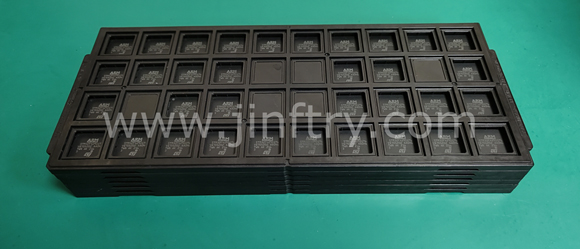
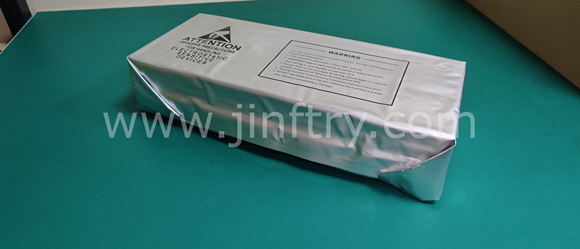
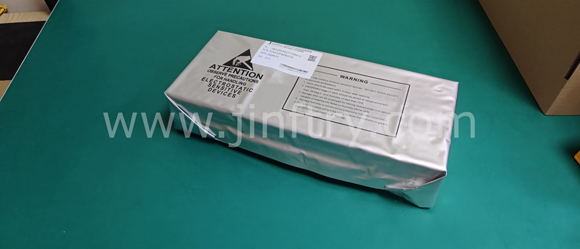
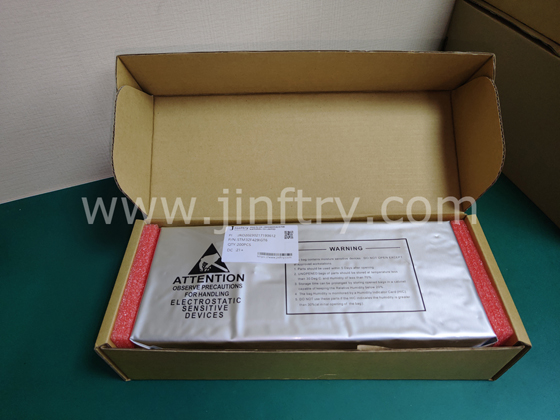
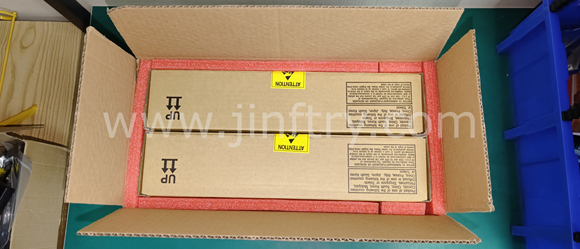
• Prompt Responsiveness
• Guaranteed Quality
• Global Access
• Competitive Market Price
• One-Stop support services of supply chain
Jinftry, Your most trustworthy component supplier, welcome to send us the inquiry, thank you!
Do you have any questions about LMX2531LQX1778E/NOPB ?
Feel free to contact us:
LMX2531LQX1778E/NOPB Related Products
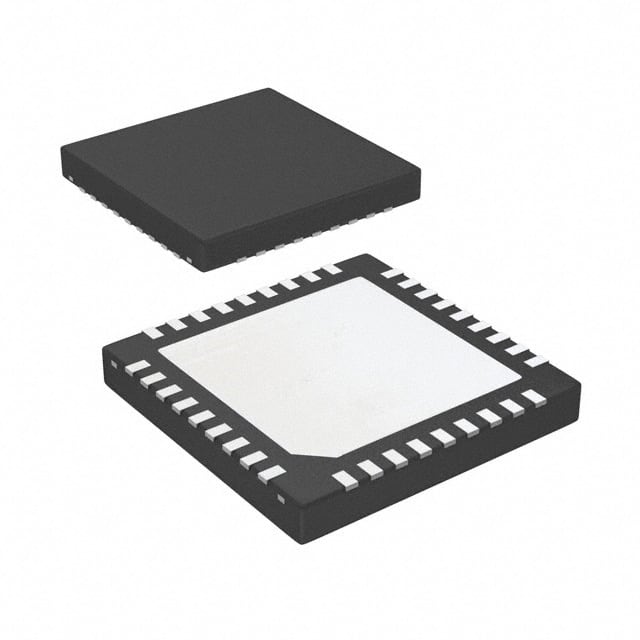
IC PLL FREQ SYNTH W/VCO 36WQFN
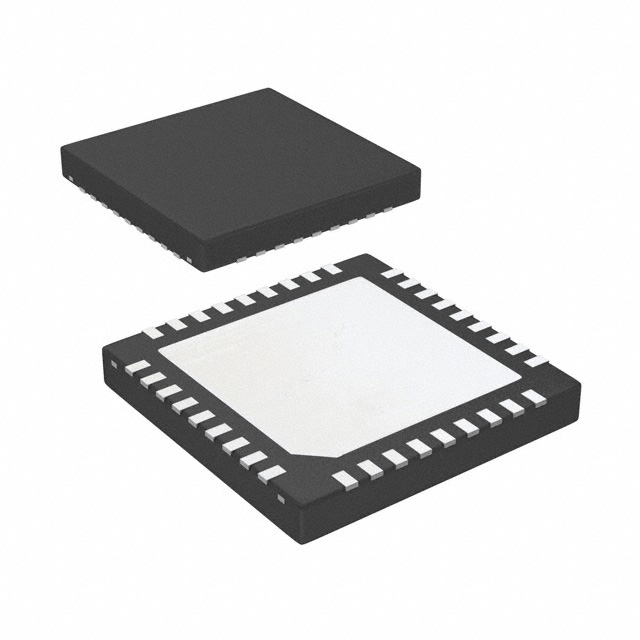
IC FREQ SYNTH HI PERF VCO 36WQFN
IC FREQ SYNTH HI PERF VCO 36WQFN
IC FREQ SYNTH HI PERF VCO 36WQFN

IC FREQ SYNTH HI PERF VCO 36WQFN

IC FREQ SYNTH HI PERF VCO 36WQFN

IC FREQ SYNTH HI PERF VCO 36WQFN
LMX2531 HIGH PERFORMANCE FREQUEN

IC FREQ SYNTH HI PERF VCO 36WQFN

IC FREQ SYNTH HI PERF VCO 36WQFN