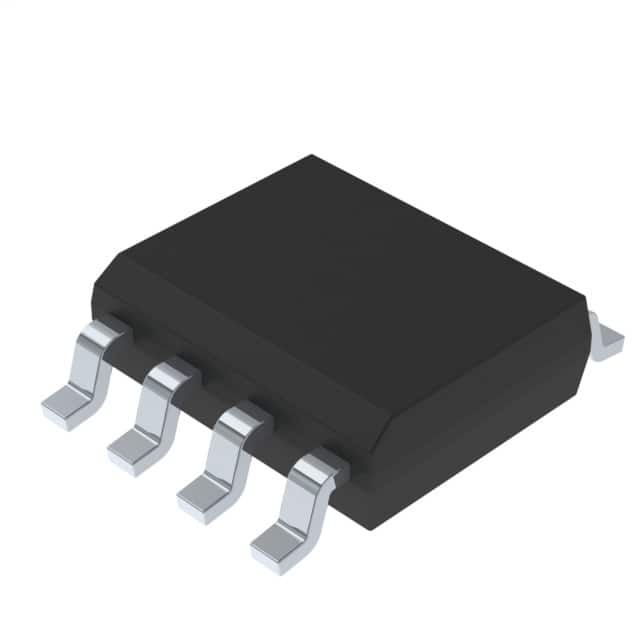
National Semiconductor LP3990TL-2.5/NOPB
The picture is for reference only, please refer to the product specification
- LP3990TL-2.5/NOPB
- National Semiconductor
- LP3990 150MA LINEAR VOLTAGE REGU
- PMIC - Voltage Regulators - Linear
- LP3990TL-2.5/NOPB Datasheet
- 4-WFBGA, DSBGA
- Bulk
-
 Lead free / RoHS Compliant
- 4682
- Spot Inventory / Athorized Dstributor / Factory Excess Stock
- 1 year quality assurance 》
- Click to get rates


What is LP3990TL-2.5/NOPB
National Semiconductor Part Number LP3990TL-2.5/NOPB(PMIC - Voltage Regulators - Linear), developed and manufactured by National Semiconductor, distributed globally by Jinftry. We distribute various electronic components from world-renowned brands and provide one-stop services, making us a trusted global electronic component distributor.
LP3990TL-2.5/NOPB is one of the part numbers distributed by Jinftry, and you can learn about its specifications/configurations, package/case, Datasheet, and other information here. Electronic components are affected by supply and demand, and prices fluctuate frequently. If you have a demand, please do not hesitate to send us an RFQ or email us immediately [email protected] Please inquire about the real-time unit price, Data Code, Lead time, payment terms, and any other information you would like to know. We will do our best to provide you with a quotation and reply as soon as possible.
LP3990TL-2.5/NOPB Specifications
- Part NumberLP3990TL-2.5/NOPB
- CategoryPMIC - Voltage Regulators - Linear
- ManufacturerNational Semiconductor
- DescriptionLP3990 150MA LINEAR VOLTAGE REGU
- PackageBulk
- Series-
- Operating Temperature-40°C ~ 85°C
- Mounting TypeSurface Mount
- Package / Case4-WFBGA, DSBGA
- Supplier Device Package4-DSBGA (1x1)
- Output TypeFixed
- Voltage - Output (Min/Fixed)2.5V
- Voltage - Output (Max)-
- Current - Output150mA
- Output ConfigurationPositive
- Control FeaturesEnable
- Voltage - Input (Max)6V
- Number of Regulators1
- Voltage Dropout (Max)0.2V @ 150mA
- Current - Quiescent (Iq)80 µA
- Current - Supply (Max)120 µA
- PSRR55dB ~ 35dB (1kHz ~ 10kHz)
- Protection FeaturesOver Temperature, Short Circuit
Application of LP3990TL-2.5/NOPB
LP3990TL-2.5/NOPB Datasheet
LP3990TL-2.5/NOPB Datasheet , Bulk,-40°C ~ 85°C,Surface Mount,4-WFBGA, DSBGA,4-DSBGA (1x1),Fixed,2.5V,150mA,Positive,Enable,6V,1,0.2V @ 150mA,80 µA,120 µA,55dB ~ 35dB (1kHz ~ 10kHz),Over Temperature, Short Circuit
LP3990TL-2.5/NOPB Classification
PMIC - Voltage Regulators - Linear
FAQ about PMIC - Voltage Regulators - Linear
-
1. What are the disadvantages of linear regulators?
The disadvantage of linear regulators is that they are not efficient and can only be used in voltage reduction applications. The efficiency of a linear regulator depends on the ratio of output voltage to input voltage: turbidity = Vo: Vi. For example, for ordinary linear regulators, when the input voltage is 5V and the output voltage is 2.5V, the efficiency is only 50%. For ordinary linear regulators, about 50% of the electrical energy is converted into "heat" and lost, which is also the main reason why ordinary linear regulators are prone to heat when working. For LDO, due to its low voltage difference, the efficiency is much higher. For example, when the input voltage is 3.3V and the output voltage is 2.5V, its efficiency can reach 76%. Therefore, in LCD color TVs, in order to improve the utilization rate of electrical energy, ordinary linear regulators are used less, while LDOs are used more.
-
2. Do linear regulators need capacitors?
Linear regulators usually require capacitors.
The working principle and design requirements of linear regulators determine that they usually require capacitors to ensure stable operation. These capacitors are mainly used to filter and stabilize the output voltage, help reduce output ripple and noise, and thus improve the stability and reliability of the power supply.
Specifically:
1. Input and output capacitors: Linear regulators usually require one or more input capacitors and one output capacitor. These capacitors help smooth the input and output voltages, reduce voltage fluctuations, and thus provide a stable output voltage.
2. Power supply rejection capability: The power supply rejection capability of a linear regulator is an important indicator, which is related to whether it can effectively suppress unwanted signals and avoid interference with the output voltage. If the power supply rejection capability is poor, unnecessary signals may be left behind, affecting the purity of -
3. Which is better, switching power supply or linear regulator?
Switching power supply and linear regulator each have their advantages and disadvantages, and choosing which one is better depends on the specific application requirements.
The main advantages of switching power supply include:
High efficiency: The conversion efficiency of switching power supply can reach 90%~95%, which is much higher than the 30% or so of linear regulator.
Small size and light weight: Due to the high efficiency and high-efficiency transformer of switching power supply, large heat sink can be omitted, and high-frequency transformer replaces power frequency transformer, greatly reducing volume and weight.
Wide voltage regulation range: The output voltage of switching power supply can compensate for the change of input voltage by adjusting the duty cycle to ensure stable output voltage.
Various circuit forms: Designers can design switching power supplies that meet the needs according to different application scenarios.
However, switching power supplies also have so
We are a professional PCB manufacturer who offers comprehensive PCB manufacturing services including: professional Ceramic PCB HDI PCB Heavy Copper PCB High-TG PCB High Speed PCB High Frequency PCB Metal Core PCB PCB fabrication and PCB assembly, providing fast turnaround prototypes for high-end products.



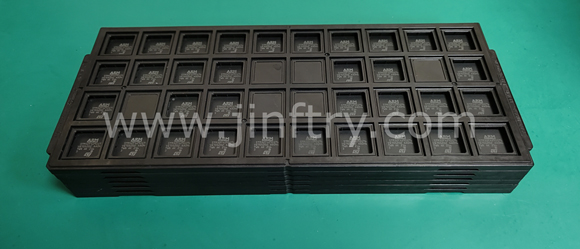
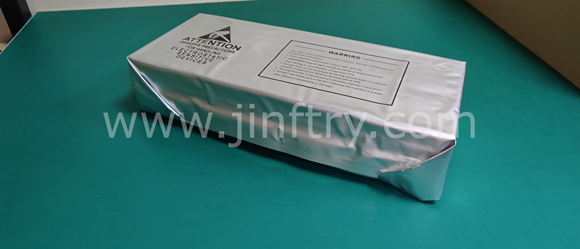
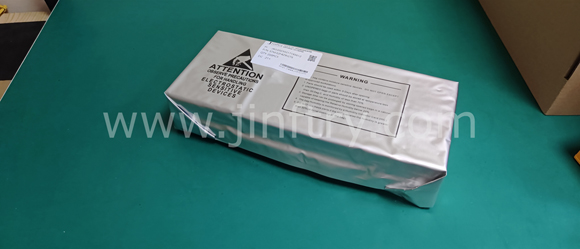
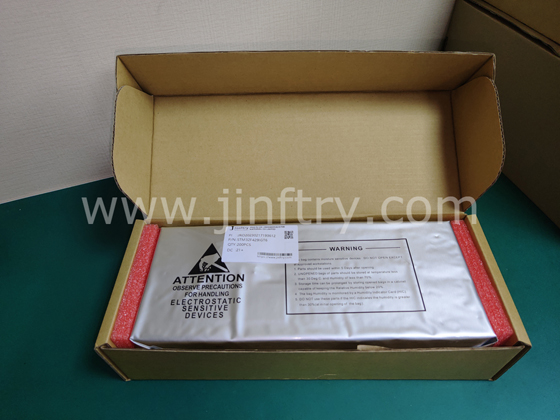
• Prompt Responsiveness
• Guaranteed Quality
• Global Access
• Competitive Market Price
• One-Stop support services of supply chain
Jinftry, Your most trustworthy component supplier, welcome to send us the inquiry, thank you!
Do you have any questions about LP3990TL-2.5/NOPB ?
Feel free to contact us:
LP3990TL-2.5/NOPB Related Products

IC REG LINEAR -8V 100MA SOT89-3

IC REG LINEAR 1V 350MA 5DSBGA

IC REG LINEAR 2.7V 150MA 4DSBGA

IC REG LINEAR 2.2V 150MA 4DSBGA

LP5900 150MA ULTRALOW-NOISE LDO


IC REG LINEAR 2.9V 150MA SOT23-5

LP2985 150MA LOW-NOISE LOW-DROPO